
Home Hardening & Defensible Space: How Mitigation Work Can Lower Your Insurance Premium

Home Hardening & Defensible Space: How Mitigation Work Can Lower Your Insurance Premium
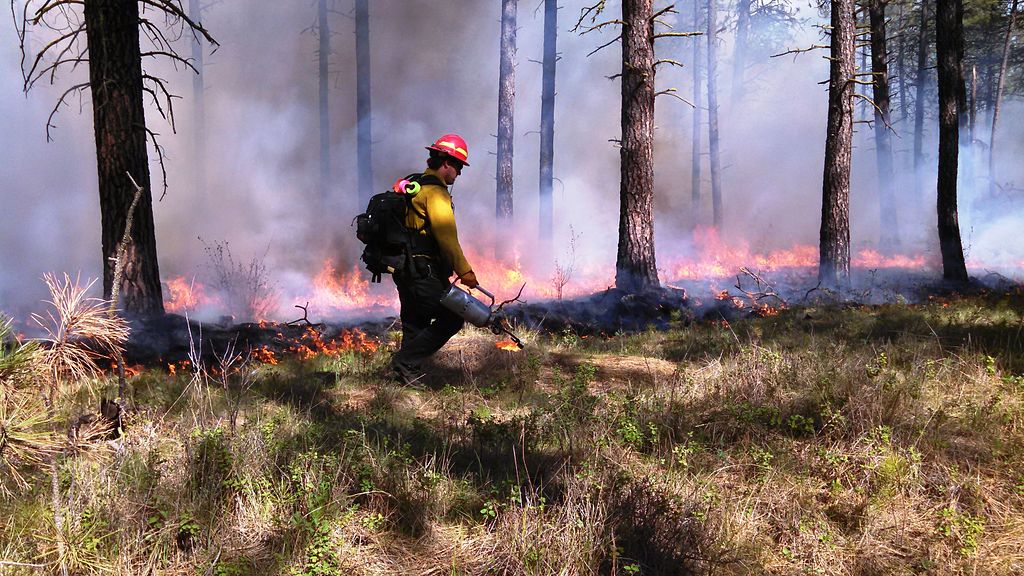
For years, the relationship between wildfire mitigation and insurance premiums was frustratingly indirect. Homeowners would invest thousands of dollars in defensible space, fire-resistant roofing, and ember-resistant vents — only to find that their insurance carrier had no mechanism to recognize or reward that investment. That is beginning to change in Oregon, and the implications for Central Oregon homeowners are significant.
The Science Behind Home Hardening
Research from the Insurance Institute for Business and Home Safety (IBHS) has established that the primary ignition pathway for most homes lost in wildfires is not direct flame contact — it is embers. Wind-driven embers can travel a mile or more ahead of a fire front, landing in gutters, on decks, in vents, and against combustible siding. Homes that are hardened against ember intrusion survive at dramatically higher rates than untreated structures, even in the same fire event.
The key interventions identified by IBHS research include: installing ember-resistant vents (replacing standard louvered vents with fine mesh screens), clearing a 5-foot non-combustible buffer immediately around the structure and any attached deck, replacing combustible mulch with gravel or rock within that zone, maintaining Class A roofing (no wood shake), and ensuring gutters are metal and kept clear of debris. These measures, taken together, address the most common ember ignition pathways and represent the core of the Wildfire Prepared certification requirements.
Oregon's Wildfire Prepared Certification Program
In May 2025, Oregon's State Fire Marshal partnered with IBHS to bring the Wildfire Prepared certification program to Oregon homeowners. The program offers two certificates: one for older homes being retrofitted and one for newer homes built to current fire-resistant standards. The process begins with the homeowner completing the required mitigation work, then submitting a $125 application with photos to IBHS. A third-party inspector follows up to verify the work on-site.
Certified homeowners must submit annual photos showing they are maintaining their defensible space buffer and must recertify every three years. The certification creates a documented, third-party verified record of mitigation work — exactly the kind of evidence that insurance underwriters can incorporate into their pricing decisions. Oregon's Insurance Commissioner has stated that insurers should reflect this progress in rating and underwriting, and several carriers are already beginning to do so.
What Mitigation Work Qualifies for Insurance Discounts
Beyond the Wildfire Prepared certification, several specific improvements are recognized by insurance carriers as risk-reducing measures that may qualify for premium discounts or improve your insurability. Class A roofing is among the most impactful — replacing wood shake or older composition shingles with metal, tile, or Class A-rated asphalt significantly reduces ignition risk. Ember-resistant vents, metal gutters, and non-combustible deck surfaces are also recognized. Some carriers offer discounts for participation in Firewise USA community programs, which take a neighborhood-level approach to fire risk reduction.
The financial incentive structure is still developing in Oregon — California has gone further by requiring carriers to offer discounts for documented mitigation work — but the direction is clear. Homeowners who invest in mitigation today are positioning themselves for better insurance outcomes as the market evolves.
Getting Started: A Practical Guide
The most important first step is a professional wildfire risk assessment of your property. <strong>Insure Pacific</strong> agents can help connect you with resources for this assessment and explain which improvements are most likely to influence your insurability and premium. From there, prioritize the 5-foot non-combustible buffer and ember-resistant vents — these are the highest-impact, lowest-cost interventions. Then work outward through the 30-foot zone and beyond.
Document everything with dated photographs. This documentation is essential for the Wildfire Prepared certification process and for demonstrating your mitigation work to insurance carriers. Keep receipts for materials and contractor invoices. When your policy renews, bring this documentation to your <strong>Insure Pacific</strong> agent so we can present it to carriers on your behalf.
At <strong>Insure Pacific</strong>, we believe that the best insurance strategy for Central Oregon homeowners is a combination of the right coverage and proactive risk reduction. Call us today to discuss your wildfire risk and how mitigation work can protect both your home and your insurability.
Get in Touch
Ready to protect what matters most? Contact us today for a no-obligation insurance review. Our experienced agents are here to help you find the right coverage for your needs.


Monica
Insurance Specialist
Hi there! 👋
I'm the AI version of Monica here at Insure Pacific!
Ask me anything about insurance — home, auto, farm, commercial, wildfire, and more. I can answer your questions directly or connect you with one of our agents.