
Who should have a coverage review?
Metal fabrication operations should review their processes, equipment, products, customer specifications, contracts, employees, locations, vehicles, and supply chain.



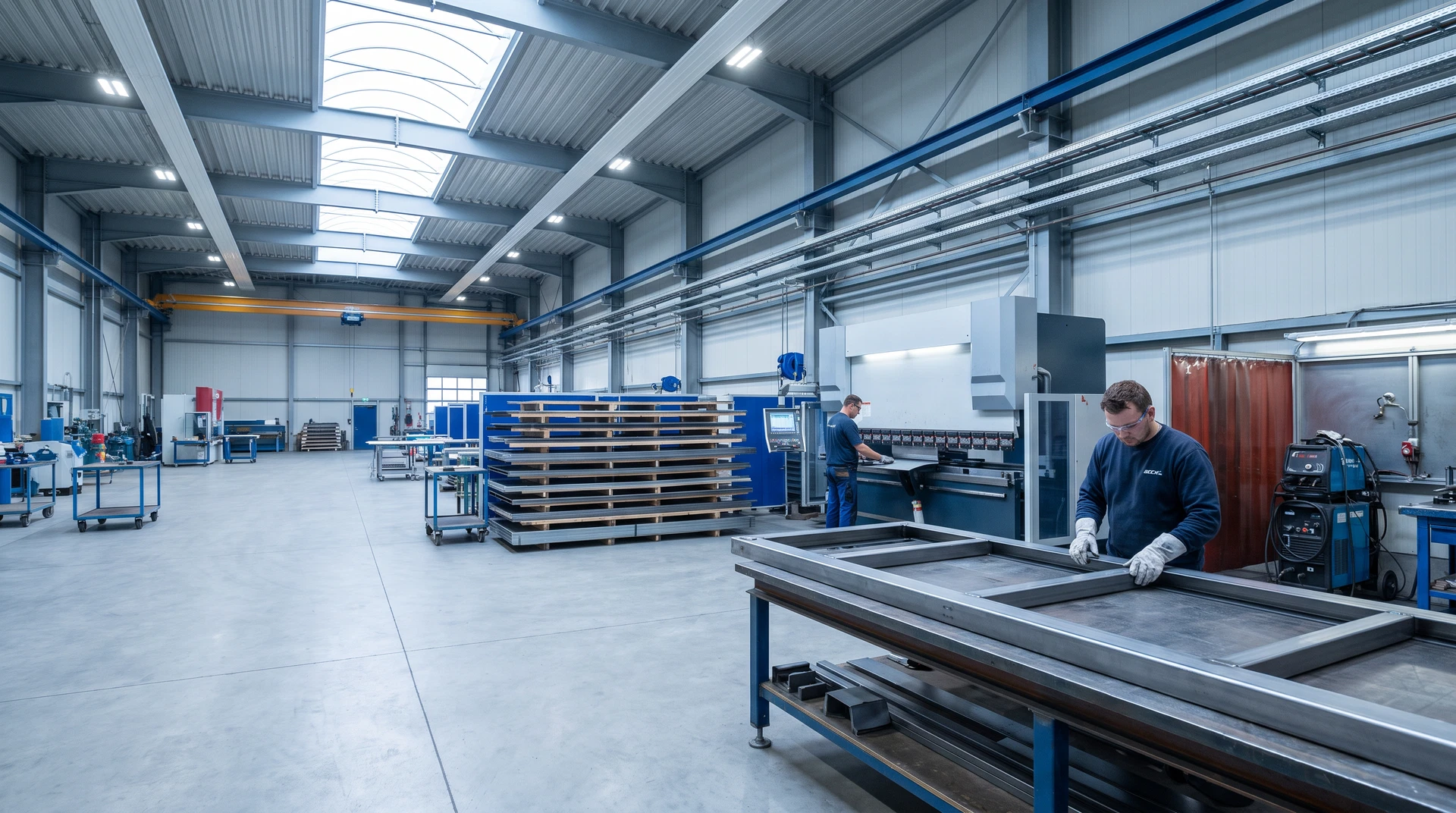
METAL FABRICATION PROTECTION
Coverage conversations for production capacity, skilled people, equipment, products, materials, and dependable delivery.
Get A QuoteThis is a commercial insurance review for businesses that cut, form, forge, stamp, weld, machine, coat, finish, assemble, package, or distribute fabricated metal products. OSHA identifies fabricated metal products as including structural metal, metal forgings, stampings, handtools, hardware, and varied wire products. A useful review reflects actual facilities, processes, machinery, people, materials, finished goods, customer requirements, vendors, contracts, and continuity plans.
Commercial property and business-income options for eligible buildings, machinery, raw materials, work in process, tooling, inventory, and finished goods.
General liability and products-completed operations options for eligible injury, property damage, product, and customer allegations.
Equipment breakdown options to discuss for eligible press brakes, CNC machines, welding equipment, electrical systems, compressors, and production interruptions.
Inland marine options for eligible mobile tools, dies, fixtures, materials, products, and customer property in transit or in your care.
Workers compensation, commercial auto, umbrella, employment practices, management liability, crime, and cyber options where operations warrant review.
Contract, quality-control, supplier, subcontractor, specification, safety, cybersecurity, and continuity exposures to review.
Metal fabrication operations should review their processes, equipment, products, customer specifications, contracts, employees, locations, vehicles, and supply chain.
Current equipment and property values, sales, payroll, products, contracts, safety controls, raw materials, customer requirements, and loss history help guide the conversation.
Products, specifications, quality controls, installation responsibility, and contract terms can affect the exposures to evaluate. Actual terms and eligibility depend on the policy and carrier.
NIST notes that cyber supply-chain risks can involve counterfeits, tampering, theft, and malicious hardware or software. Insurance should complement—not replace—supplier oversight and security controls.
Tell us about your shop, machinery, materials, products, people, contracts, and future plans.
Get A QuoteReady to protect what matters most? Contact us today for a no-obligation insurance review. Our experienced agents are here to help you find the right coverage for your needs.


