



Vacation Home & Second Property Insurance in Oregon: What Seasonal and Part-Time Residents Need to Know (2026)
Vacation Home & Second Property Insurance in Oregon: What Seasonal and Part-Time Residents Need to Know (2026)

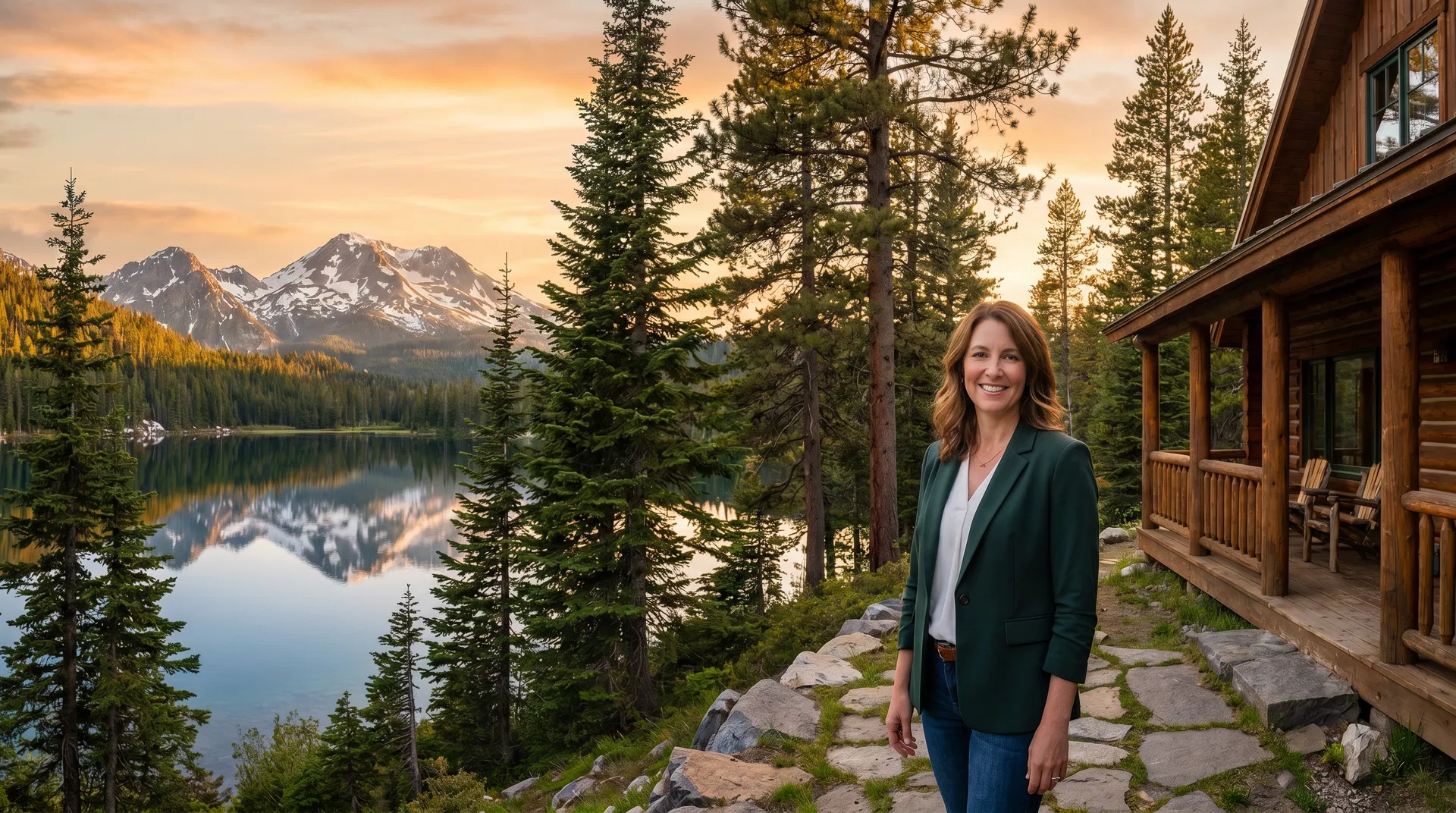
Owning a vacation home or second property in Oregon is a dream for many Pacific Northwest families — a cabin near Sunriver, a lake house at Odell Lake, a ski retreat near Mt. Bachelor, a hunting cabin in Eastern Oregon, or a beach cottage on the Oregon coast. But most second homeowners make a costly assumption: that their primary homeowners policy covers their vacation property. It does not. And the gap between what you assume you have and what you actually have can be financially devastating when a claim occurs.
This 2026 guide covers everything Oregon vacation home and second property owners need to know about insurance — from why standard policies fall short, to the specific coverages you need, Oregon-specific risks like wildfire and freeze damage, and how to structure a program that actually protects your investment. Whether your second property is a weekend getaway, a seasonal retreat, or a property you occasionally lend to family and friends, this guide will help you get the right coverage in place.
Your Primary Home Policy Does NOT Cover Your Vacation Property
This is the single most common and costly misconception among second homeowners. A standard homeowners policy (HO-3) covers only the specific property listed on the declarations page. Your Bend cabin, Sunriver condo, or Eastern Oregon hunting property requires its own separate policy — and that policy needs to be specifically designed for properties that are not your primary residence.
Does Your Oregon Vacation Home Have the Right Coverage?
Insure Pacific's Oregon-licensed agents specialize in second home and vacation property insurance. We'll review your current coverage, identify gaps, and shop 50+ carriers to find the right policy for your cabin, lake house, or coastal retreat.
Why Standard Homeowners Policies Fall Short for Second Properties
A standard HO-3 homeowners policy is designed for your primary residence — the home you live in most of the year. When you apply for that policy, the insurer rates the risk based on the assumption that the property is regularly occupied, maintained, and monitored. Your vacation home or second property is fundamentally different, and insurers treat it that way.
The Vacancy Problem
Most standard homeowners policies contain a vacancy clause that suspends or significantly limits coverage when a property is unoccupied for more than 30 to 60 consecutive days. For a mountain cabin that sits empty from October through April, or a beach cottage that is only used in summer, this clause can effectively void your coverage for the periods when the property is most vulnerable. Vandalism, theft, water damage from burst pipes, and certain fire losses are commonly excluded under vacancy provisions. A vacation home insurance policy is specifically designed to cover properties that are not continuously occupied.
The Rental and Sharing Problem
If you ever allow friends, family members, or paying guests to use your vacation property — even occasionally — your standard homeowners policy likely does not cover liability claims arising from their use of the property. A guest who slips on your icy deck, a family friend who is injured on your dock, or a paying renter who suffers a loss can all create liability exposures that a standard policy will not cover. If you rent your property even occasionally through platforms like Airbnb or VRBO, you need either a short-term rental insurance policy or a specific endorsement that covers rental activity.
The Location Problem
Many Oregon vacation properties are located in areas with elevated risk profiles — wildfire-prone forests near the Cascades, flood-prone river valleys, remote locations with long emergency response times, or coastal areas subject to wind and storm surge. Standard homeowners policies written for suburban primary residences are not priced or structured for these elevated risks. A vacation home policy written by a carrier that specializes in rural and recreational properties will provide more appropriate coverage at a more competitive price.
The Essential Coverages for Oregon Vacation Homes
Dwelling Coverage (Coverage A)
Dwelling coverage pays to repair or rebuild the structure of your vacation home if it is damaged by a covered peril — fire, windstorm, hail, lightning, vandalism, or other covered events. The most important thing to get right here is the coverage limit: it should reflect the full replacement cost of rebuilding the structure, not its market value. In rural Oregon, construction costs have risen significantly since 2020, and many vacation home owners are carrying coverage limits that were set years ago and no longer reflect current rebuilding costs. An independent insurance agent can help you determine the appropriate replacement cost estimate for your specific property.
Other Structures Coverage (Coverage B)
Coverage B pays for detached structures on your property — a detached garage, a boat dock, a storage shed, a guest cabin, a fence, or a carport. Standard policies provide Coverage B at 10% of the dwelling limit, which is often inadequate for vacation properties with significant outbuildings. If you have a dock worth $50,000 or a detached garage worth $80,000, make sure your Coverage B limit reflects those values.
Personal Property Coverage (Coverage C)
Personal property coverage pays for the contents of your vacation home — furniture, appliances, recreational equipment, tools, and personal belongings. For vacation properties, this coverage often needs to be scheduled separately for high-value items like boats, ATVs, snowmobiles, or expensive outdoor gear. Standard policies may also limit coverage for property left at a secondary location. Review your policy carefully to understand what is and is not covered at your vacation property.
Liability Coverage (Coverage E)
Liability coverage is arguably the most important protection for vacation home owners. If a guest, neighbor, or trespasser is injured on your property and sues you, liability coverage pays for your legal defense and any judgment against you. Vacation properties present elevated liability risks — docks, pools, ATVs, fire pits, steep terrain, and recreational activities all create injury hazards. Standard liability limits of $100,000 to $300,000 are often inadequate for vacation properties. Consider a personal umbrella policy that extends your liability protection to $1 million or more across all your properties.
Loss of Use / Additional Living Expenses (Coverage D)
If your vacation home is damaged and uninhabitable, Coverage D pays for additional living expenses or lost rental income while repairs are made. For properties that are occasionally rented, this coverage can offset the income loss during the repair period. Make sure your policy includes this coverage and that the limit is adequate for your specific situation.
| Coverage | What It Covers | Key Consideration for Vacation Homes |
|---|---|---|
| Dwelling (Coverage A) | Structure of the home | Must reflect current replacement cost — not market value |
| Other Structures (Coverage B) | Docks, garages, sheds, fences | Often needs to be increased beyond the default 10% of Coverage A |
| Personal Property (Coverage C) | Furniture, appliances, gear | Schedule high-value recreational equipment separately |
| Liability (Coverage E) | Injuries to guests, legal defense | Consider a personal umbrella for $1M+ protection |
| Loss of Use (Coverage D) | Lost rental income, extra expenses | Important if you occasionally rent the property |
| Vacancy Coverage | Losses during unoccupied periods | Essential — standard policies exclude losses during vacancy |
| Wildfire / Extended Fire | Wildfire damage and smoke | Critical for Cascade-area and Eastern Oregon properties |
| Freeze / Water Damage | Burst pipes, ice dams | Key for mountain cabins left unheated in winter |
Oregon-Specific Risks for Vacation Home Owners
Wildfire Risk in the Cascades and Eastern Oregon
Oregon's vacation home market is concentrated in exactly the areas most affected by the state's growing wildfire crisis. Cabins near Sisters, La Pine, Sunriver, Klamath Falls, and throughout the Cascades face wildfire risk that has increased dramatically over the past decade. Many standard insurers have stopped writing new policies in high-risk ZIP codes, and existing policyholders in these areas are receiving non-renewals. If your vacation property is in a wildfire-prone area, you need to work with an independent agent who has access to specialty carriers that still write coverage in these locations. Learn more about wildfire insurance and fire mitigation options for Oregon properties.
Freeze and Pipe Burst Damage
Mountain cabins and high-elevation vacation properties face significant freeze risk during Oregon's winters. A burst pipe in an unoccupied cabin can cause tens of thousands of dollars in water damage before anyone discovers it. Many vacation home policies require that you either maintain minimum heat in the property during winter months or shut off the water supply and drain the pipes when the property is unoccupied. Failure to comply with these requirements can result in a denied claim. Make sure you understand your policy's winterization requirements and comply with them.
Theft and Vandalism in Remote Locations
Remote vacation properties are attractive targets for theft and vandalism precisely because they are unoccupied for extended periods. Copper pipe theft, appliance theft, and vandalism are common claims for rural vacation properties. As noted above, standard policies may exclude these losses under vacancy clauses. A dedicated vacation home policy will typically provide coverage for theft and vandalism even during extended vacancy periods, subject to the policy's specific terms.
Dock and Waterfront Liability
Lake properties along Odell Lake, Wickiup Reservoir, Crane Prairie Reservoir, Suttle Lake, and other Oregon recreational lakes present significant dock and waterfront liability exposures. Diving injuries, boating accidents, slip-and-fall incidents on wet docks, and drowning claims are all serious liability risks for waterfront property owners. Make sure your liability coverage is adequate and that your dock is specifically covered under your policy. If you keep a boat at the property, you will also need a separate boat insurance policy.
Oregon Earthquake Risk
Oregon sits on the Cascadia Subduction Zone, one of the most seismically active fault systems in North America. Standard homeowners policies do not cover earthquake damage — it must be purchased as a separate endorsement or standalone policy. For vacation properties in western Oregon, earthquake coverage is worth serious consideration. Learn more about Oregon earthquake insurance and what it covers.
Review Your Vacation Home Coverage Today
Our agents will identify gaps in your current coverage and find the right policy for your Oregon second property.
How Much Does Vacation Home Insurance Cost in Oregon?
Vacation home insurance premiums vary widely based on the property's location, construction type, age, replacement cost value, wildfire risk score, distance from fire stations, and the owner's claims history. Here are general benchmarks for Oregon vacation properties in 2026:
| Property Type | Annual Premium Range | Key Cost Drivers |
|---|---|---|
| Oregon Coast cottage (low wildfire risk) | $1,200–$2,800/yr | Wind/storm exposure, distance from fire station, age of home |
| Cascade mountain cabin (moderate wildfire risk) | $2,500–$5,500/yr | Wildfire risk score, construction type, distance from fire station |
| High-risk wildfire zone cabin (Sisters, La Pine area) | $4,000–$12,000+/yr | Wildfire risk score, roof type, defensible space, carrier availability |
| Lake property with dock (Odell, Suttle, Crane Prairie) | $2,000–$4,500/yr | Dock replacement cost, waterfront liability, boat storage |
| Eastern Oregon hunting/ranch cabin | $1,500–$3,500/yr | Remoteness, fire station distance, construction, vacancy period |
5 Ways to Lower Your Vacation Home Insurance Premium
Improve Defensible Space
Clearing vegetation within 30–100 feet of your cabin and maintaining a defensible space zone can significantly reduce your wildfire risk score and lower your premium. Some carriers offer specific discounts for documented mitigation work.
Upgrade Your Roof
A Class A fire-rated roof (metal, tile, or composition shingles) can reduce your premium by 10–25% in wildfire-prone areas. Many carriers require a Class A roof to write coverage in high-risk zones.
Install Security Systems
A monitored security system with smoke, CO, and water leak detection can reduce your premium and help prevent losses. Some carriers offer discounts of 5–15% for monitored systems.
Winterize Properly
Properly shutting off water and draining pipes before winter reduces freeze risk and may be required by your policy. Some carriers offer lower rates for properties with documented winterization procedures.
Bundle with Primary Home
Some carriers offer multi-policy discounts when you insure your primary home and vacation property with the same company. An independent agent can identify whether bundling makes sense for your situation.
Work with an Independent Agent
Independent agents have access to 50+ carriers, including specialty markets that write vacation home coverage in high-risk areas where standard carriers have withdrawn. This access can mean the difference between finding coverage and going uninsured.
Vacation Home vs. Short-Term Rental: Which Policy Do You Need?
The line between a vacation home and a short-term rental is important from an insurance perspective. If you rent your property to paying guests — even occasionally through Airbnb, VRBO, or direct booking — you need coverage that specifically addresses rental activity. A standard vacation home policy typically excludes losses that occur during rental periods.
If you rent your property fewer than 14 days per year (the IRS "vacation home" threshold), some vacation home policies will cover occasional rental with an endorsement. If you rent more frequently, you likely need a dedicated short-term rental insurance policy or a landlord policy with short-term rental endorsements. An independent agent can help you determine which type of coverage is appropriate based on how you use your property.
Common Vacation Home Insurance Mistakes Oregon Owners Make
Assuming the primary home policy covers the vacation property
It does not. A separate policy is required for any property that is not your primary residence.
Underinsuring the dwelling to save on premium
If your cabin burns down and you are underinsured, you will face a significant out-of-pocket shortfall. Always insure to full replacement cost.
Forgetting to notify the insurer when renting
Renting your vacation home without notifying your insurer can void your coverage. Always disclose rental activity to your agent.
Not reviewing coverage after renovations
If you add a deck, renovate the kitchen, or build a new outbuilding, your coverage limits need to be updated to reflect the increased replacement cost.
Skipping earthquake coverage in western Oregon
Oregon's Cascadia Subduction Zone risk is real. Earthquake coverage is not expensive relative to the potential loss, and it is not included in standard policies.
Not carrying a personal umbrella policy
A personal umbrella policy extends your liability protection across all your properties for a relatively modest additional premium. For vacation home owners, it is one of the most cost-effective coverages available.
How Insure Pacific Helps Oregon Vacation Home Owners
Insure Pacific is an independent insurance agency serving Oregon and the Western United States since 1935. As an independent agency, we work with more than 50 insurance carriers — including specialty markets that write vacation home coverage in high-risk wildfire zones where many standard carriers have withdrawn. Our agents are licensed in Oregon and understand the specific risks facing vacation property owners in Central Oregon, the Oregon Coast, Eastern Oregon, and the Cascades.
When you work with Insure Pacific, we review your current coverage, identify gaps, and shop the market to find the right policy at the right price. We can also help you understand how your vacation home coverage interacts with your primary homeowners policy, your personal umbrella policy, and any other coverage you carry. Our goal is to make sure you are never surprised by a coverage gap when you need your insurance most.
Get a Free Vacation Home Insurance Review
Our Oregon-licensed agents will review your current coverage, identify gaps, and find the right policy for your cabin, lake house, or coastal retreat. No obligation, no pressure — just expert guidance.
Our Licensed Coverage Area
States highlighted in blue are states where Insure Pacific holds an active insurance license.
Hover to highlight — click a state to visit its insurance page
Our Oregon Office Locations
Hover over a marker to see the office — click to visit their website.
Hover to highlight — click to visit that office's website
Ready to Get Protected?
Talk to a Local Oregon Insurance Expert
Insure Pacific has been serving Oregon families and businesses since 1935. We work with 50+ carriers so you get real options — not just one company's answer.
Related Articles
 Personal Insurance
Full-Time RV Insurance: When Your Motorhome Becomes Your Primary Home
Read Article → Personal Insurance
ADU Insurance: Is Your Backyard Cottage Covered by Your Homeowners Policy?
Read Article → Personal Insurance
Water Damage Insurance: Hidden Leaks, Sewer Backups, Service Lines, Sump Pumps, Mold, and Smart Shutoff Devices
Read Article → Personal Insurance
Home Insurance Replacement Cost in 2026: Why Rebuilding Your Home Could Cost More Than Its Market Value
Read Article →Get in Touch
Ready to protect what matters most? Contact us today for a no-obligation insurance review. Our experienced agents are here to help you find the right coverage for your needs.


