Mini Storage Operators
Owners and managers of self-storage properties with drive-up units, multi-building sites, and varied unit sizes.



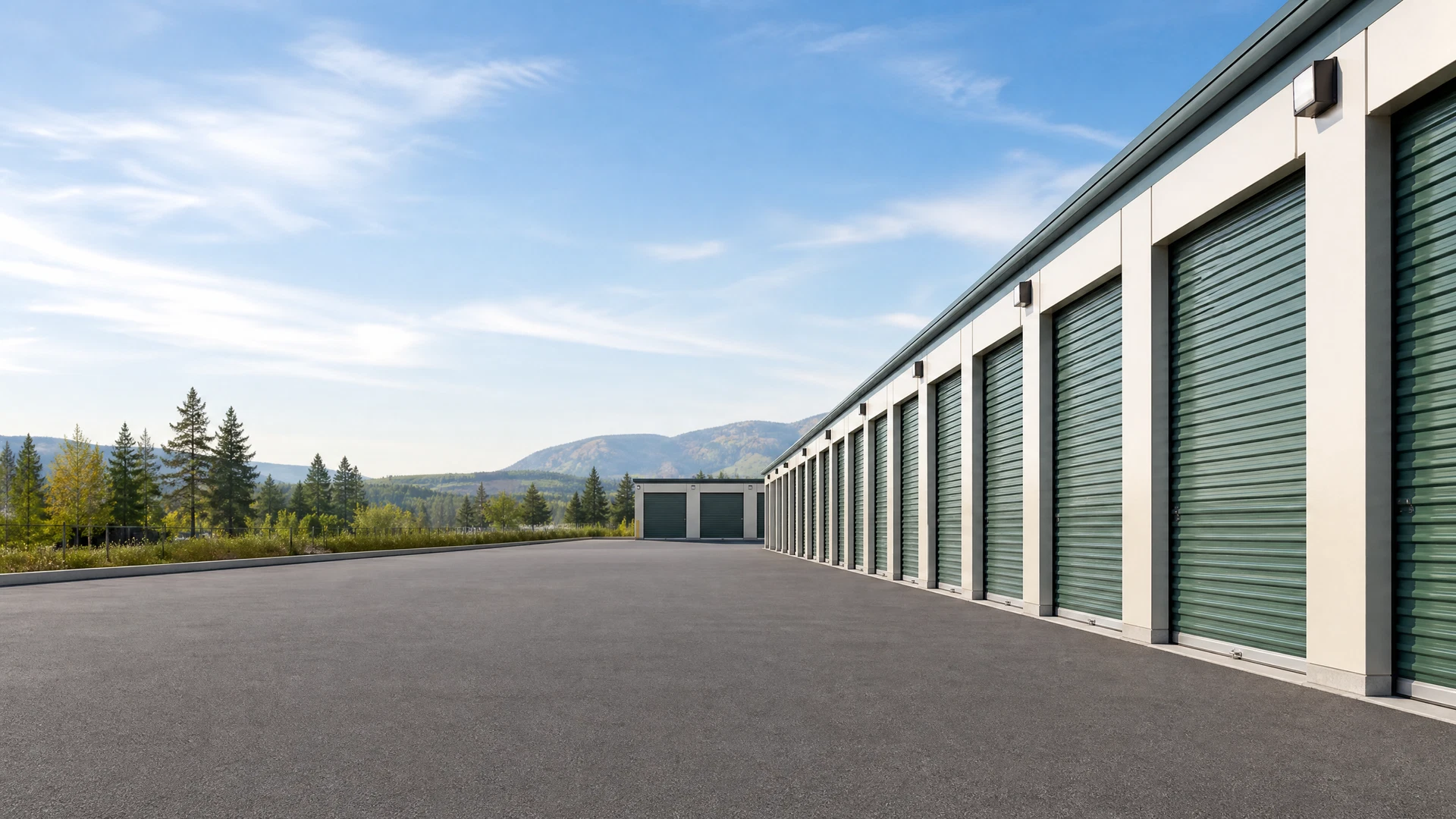
Reliable coverage for self-storage facilities, mini storage operators, and storage property owners.
Self-storage facility insurance is a commercial insurance approach built around the property, premises, operations, and customer-service exposures of a storage business. A storage facility may include multiple buildings, climate-control systems, access gates, cameras, business equipment, and an office, each of which can create a different coverage consideration.
A well-designed program can help address covered building damage, customer injury allegations, employee injuries, data exposures, theft-related losses, and lost income after a covered disruption. It should also be reviewed alongside your tenant agreement because a tenant's insurance for their own belongings and a facility's commercial coverage serve different purposes.
Insure Pacific can help self-storage owners and operators compare coverage options with carriers that understand commercial property and liability risks. We will start with the details of your facility, your lease language, the services you provide, and how your operation has changed.
Storage businesses vary widely, but a policy review is valuable whenever your operation owns or manages a facility, serves tenants, or assumes responsibility for commercial property and premises risks.
Owners and managers of self-storage properties with drive-up units, multi-building sites, and varied unit sizes.
Operators protecting conditioned buildings, access systems, higher-value interiors, and customers' climate-sensitive storage needs.
Covered or open-lot operators with vehicle storage, gates, lighting, fencing, and premises-liability exposures.
Facilities serving contractors, small businesses, records-storage clients, and customers with recurring access needs.
The right combination depends on your buildings, tenant mix, services, contracts, employees, limits, and state-specific requirements. These are common starting points for a conversation with your agent.
Discuss protection for office space, storage buildings, gates, cameras, access-control equipment, tools, and other scheduled business property.
Help address covered third-party bodily injury or property-damage claims arising from your premises and operations.
Review lease terms and available liability options for situations involving customer allegations about property in your care, custody, or control.
Discuss income protection if a covered loss disrupts rentals, operations, access to units, or your ability to serve tenants.
Protect employees who maintain the property, assist customers, handle repairs, or perform office and management functions.
Review employee dishonesty, theft, forgery, and funds-transfer exposures connected to rent collection and facility operations.
Consider protection for payment information, tenant data, online reservations, camera systems, and networked access controls.
Add an additional layer of liability protection above eligible underlying commercial policies when higher limits are appropriate.
Annual policy review
A lease renewal, a building upgrade, or a change in tenant use can alter your facility's exposures. Reviewing details before the next lease cycle helps you bring current information to your insurance conversation.
Answers to common questions about protecting a self-storage business.
Many facilities discuss commercial property, general liability, workers compensation, business interruption, cyber liability, crime coverage, and umbrella liability. The appropriate program depends on the buildings, services, lease language, and exposures of the individual operation.
General liability is not a substitute for a tenant's insurance on their stored belongings. It may respond to certain covered allegations against the facility, while tenant-property coverage and storage-related liability options should be reviewed carefully with your agent and carrier.
They may. Open lots, covered parking, vehicle access, gates, security systems, and assumptions made in the rental agreement can change the exposures. Tell your agent what you store, where vehicles are kept, and how customers access the site.
A review before renewal is a practical baseline, along with any time you add buildings, units, new services, employees, security technology, climate-controlled space, or materially different tenant uses.
Talk with an independent Insure Pacific agent about the property, liability, tenant-service, and business-income exposures that matter to your storage operation.
Ready to protect what matters most? Contact us today for a no-obligation insurance review. Our experienced agents are here to help you find the right coverage for your needs.