

Wildfire Preparedness, Technology & Insurance
Build a More Complete Wildfire Readiness Plan
Property-defense options. Mobile readiness. Preparedness planning. Insurance review.
Insure Pacific can help you organize the right conversation for a home, second home, commercial property, or rural operation—then connect you with a qualified specialist and review insurance options if you would like.
A layered approach matters
Wildfire readiness is bigger than one product
Wildfire can bring ember exposure, fast-changing weather, smoke, power disruptions, road closures, evacuation decisions, and difficult insurance questions. A technology conversation should fit into a broader plan for the structure, the site, the people who use it, and the information you may need later.
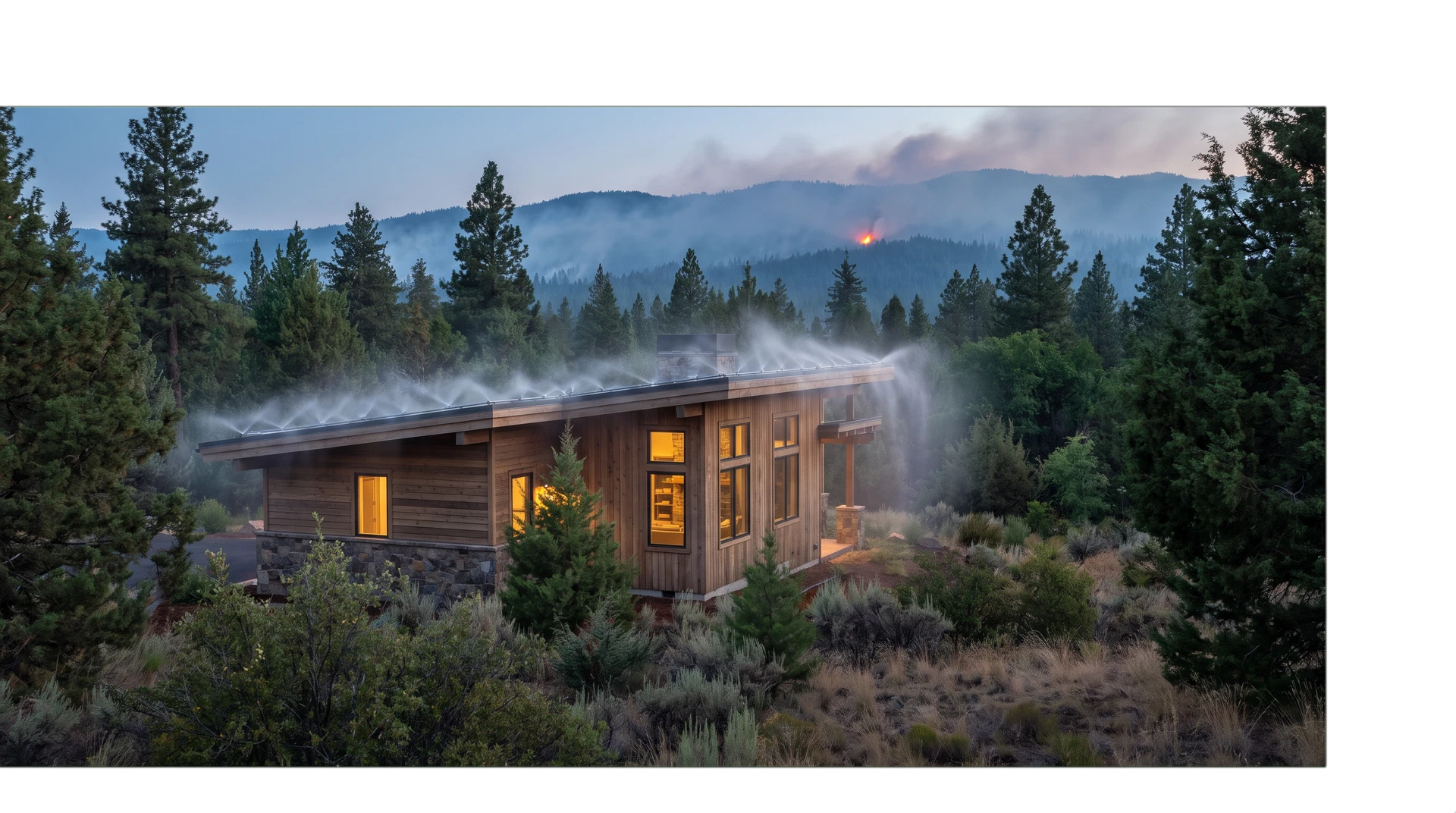
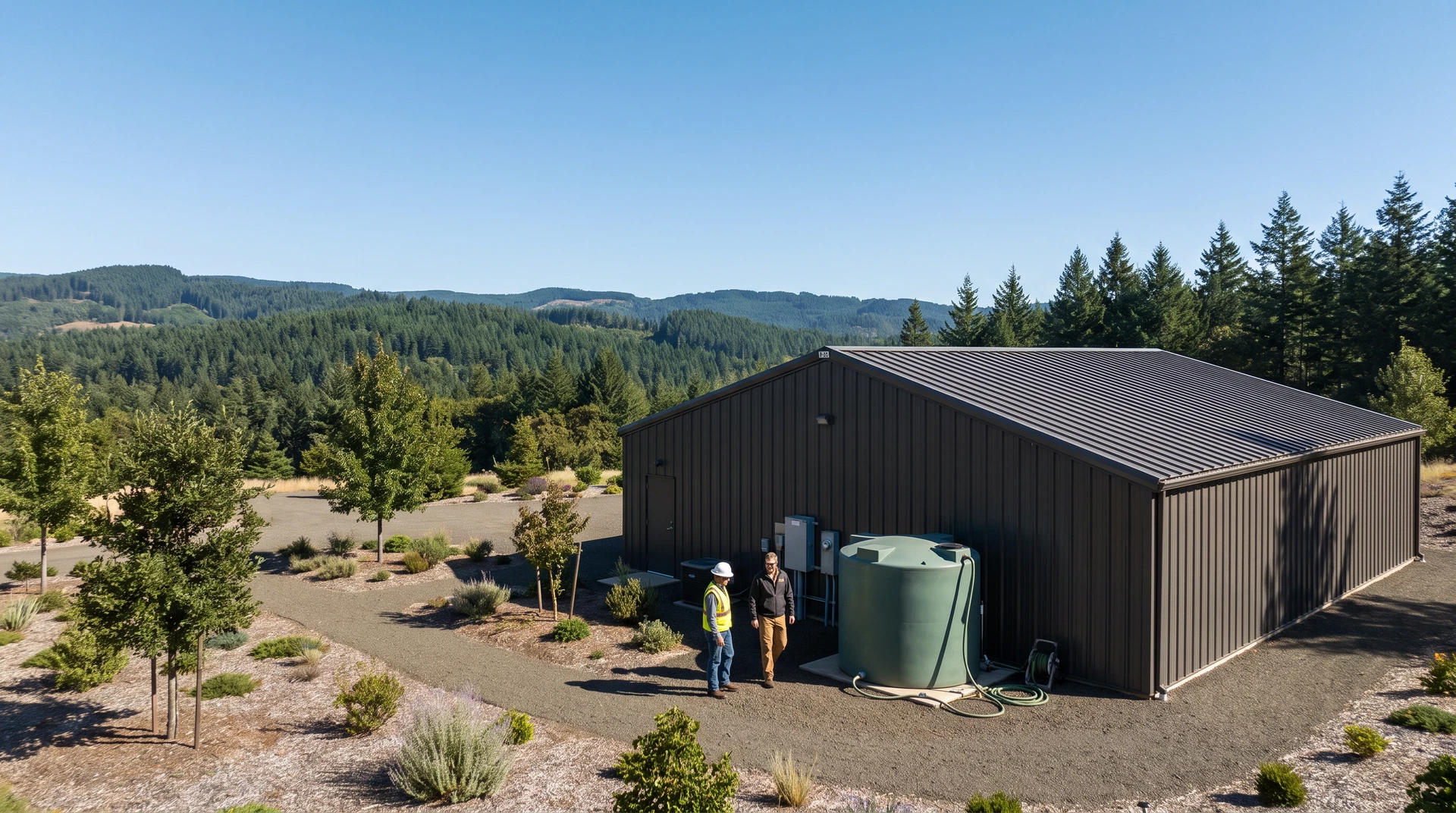
The Banana Pro visual at left illustrates a property-defense concept in use. Equipment, water, activation, maintenance, utility capacity, accessibility, and local restrictions differ by site. A qualified specialist can help evaluate those details; no system or plan guarantees a particular outcome.
Talk with a local team
Have a property, technology, or wildfire-insurance question? Insure Pacific is ready to help.
Four connected layers
Bring property, people, information, and coverage into the same plan
Harden the structure
Ask about roof, vents, gutters, decks, siding, windows, attached fences, access points, and the small maintenance details that can matter when wind-driven embers arrive.
Plan property-defense options
A qualified specialist can explain the water supply, equipment, activation, maintenance, utility, and site-access questions that belong in a property-defense-system conversation.
Build a mobile readiness plan
Keep address-based alerts, official evacuation information, emergency contacts, property details, and checklists organized on a phone before the pace of an incident changes.
Review the insurance layer
Keep policy information current, document property details and completed mitigation work, and ask Insure Pacific to review coverage, deductibles, and quote options when appropriate.
Mobile readiness & alert planning
Use your phone to organize readiness—never as your only line of defense
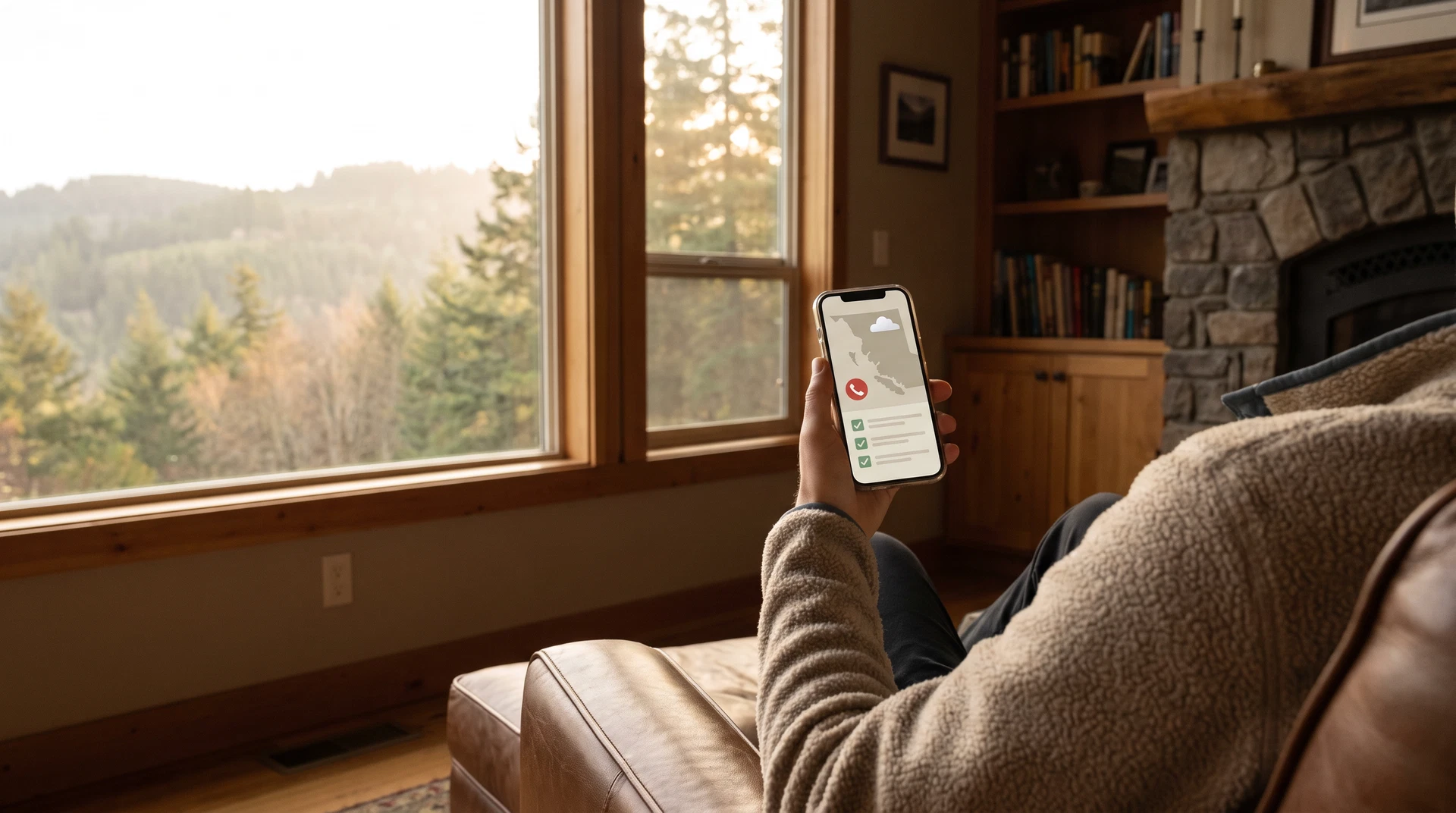
A property-readiness app or mobile plan can make it easier to keep location details, contact groups, maps, checklists, weather context, and emergency planning in one place. It can be especially helpful for a vacation home, remote property, busy family, or commercial team that needs a shared starting point.
For emergency alerts, use several official channels and follow local authorities. Ready.gov recommends multiple ways to receive alerts, a practiced evacuation plan, current insurance documents, charged phones, and backup power options during wildfire risk.[1]
- Address-based property profiles for a primary home, second home, rental, or business location
- A single place to maintain emergency contacts, pet and family plans, gate codes, and key property details
- Map and weather context to discuss with a specialist—while continuing to follow official local alerts and evacuation orders
- Seasonal checklists for defensible space, equipment maintenance, documents, supplies, and backup power
- A phone-charging and communication plan for periods when smoke, wind, or evacuations disrupt normal routines
- A clear reminder that technology supports preparedness; it does not replace emergency services or local authority direction
When conditions change
Turn alerts into calm, practiced decisions
Red-flag conditions, nearby incidents, smoke, lightning, evacuation notices, and access limitations can evolve quickly. Decide the practical steps while conditions are normal—not while trying to search for details at the last minute.
Use more than one alert channel
Enroll in local notifications and keep official wireless emergency alerts enabled. A preparedness app or map may add context, but it should never be the only source you rely on.
Know your zone and routes
Save evacuation-zone information, identify at least two ways out, and plan where family members, pets, employees, or tenants will go if conditions change quickly.
Practice before the red-flag day
Use a quiet day to refresh contacts, charge battery backups, photograph key property areas, check supplies, and confirm who can make decisions when you are away.
Property-defense technology
Ask better questions before you choose a system or service
Exterior property-defense systems and services may be part of a broader resilience plan. The right conversation begins with site realities, not a generic sales promise. Insure Pacific can help coordinate a qualified-specialist discussion while keeping the insurance review separate and clear.
Topics to bring to a specialist conversation
- What water source, pressure, storage, piping, power, or generator questions should be evaluated at this site?
- What activation, testing, monitoring, maintenance, winterization, and service expectations should we understand?
- How do rooflines, vents, gutters, landscaping, access roads, fuel loads, and neighboring structures affect the overall property plan?
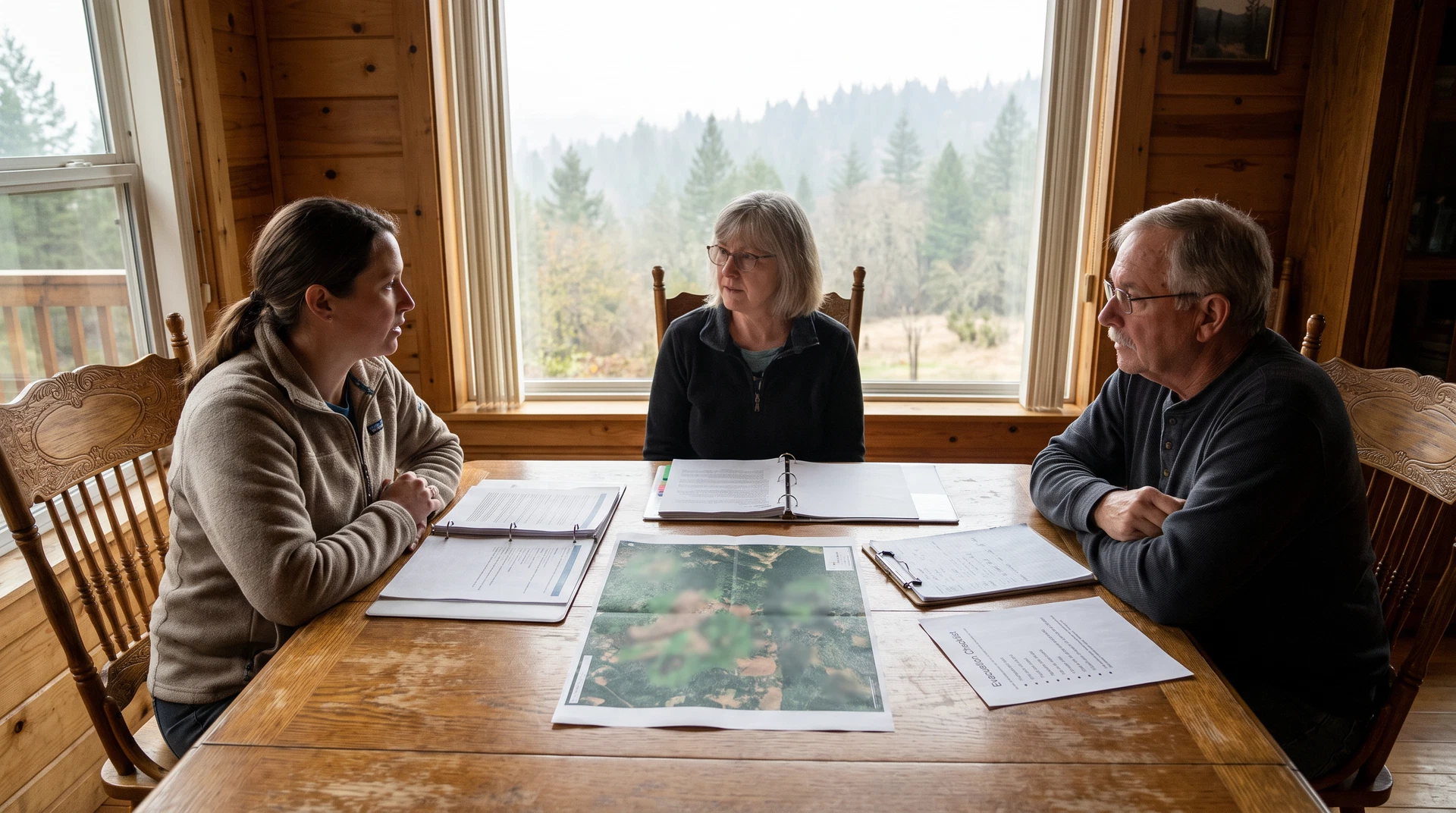
- What documentation, photographs, receipts, drawings, and maintenance records should be retained for the property file and an insurance review?
Commercial and rural properties
Make wildfire readiness part of business continuity
Commercial properties can introduce different access, occupancy, equipment, operations, and decision-making challenges. A consultation can help a business owner, property manager, nonprofit, farm, contractor, or facilities team identify the questions that should be addressed before the season becomes active.
- Operations continuity, employee communication, customer notices, and alternative-work arrangements
- Access routes, gates, fire-lane clearance, water sources, outdoor storage, fleet positioning, and contractor coordination
- Special considerations for multifamily, hospitality, restaurants, agricultural property, wineries, warehouses, retail, contractors, and rural operations
- Commercial property, business income, equipment, liability, auto, workers’ compensation, and cyber questions that may belong in an insurance review
A useful seasonal rhythm
Keep the plan active, not just stored away
Before the season
Review property conditions, trims, debris, water access, equipment service, insurance documents, and contacts.
During high-risk weather
Monitor official information, charge devices, keep vehicles and go-bags ready, and confirm decision makers are reachable.
When an incident is nearby
Follow authorities, use the prebuilt checklist, document conditions if safe, and avoid relying on a single notification source.
After the season or event
Record improvements, refresh property photos, reassess lessons learned, and schedule an insurance and preparedness review.
Insurance belongs in the plan, too
Pair preparedness planning with a clear coverage conversation
A readiness plan can help you organize information, but it does not change policy terms or guarantee coverage. Insure Pacific can review your current policy, property information, deductibles, documentation, and quote needs. Carrier availability, underwriting, terms, pricing, credits, and inspection requirements vary.
Insurance review questions to bring
- Does the policy reflect current replacement-cost information, outbuildings, equipment, landscaping, and property improvements?
- Which deductible applies to wildfire or wind-driven fire loss, and how would it affect a realistic claim scenario?
- What proof of mitigation, maintenance, or property condition should be organized before a carrier or underwriting conversation?
- For a business, do property values, business income limits, equipment schedules, and continuity assumptions still match operations?
Questions we hear
Wildfire technology & readiness FAQs
Does Insure Pacific install wildfire-defense systems?
No. Insure Pacific is an independent insurance agency, not a manufacturer, installer, inspector, or certification provider. We can help start a conversation with an appropriately qualified specialist and separately review insurance options.
Can a mobile app replace official wildfire alerts?
No. Use several alert channels and follow directions from local authorities. Mobile tools can help organize information and readiness tasks, but they cannot guarantee timely notice, connectivity, safety, or evacuation guidance.
Will property-defense technology guarantee that my home or business is protected?
No system, app, mitigation measure, or preparedness step can guarantee protection from wildfire. A property plan should be discussed as one layer in a broader readiness strategy.
Can mitigation work lower my insurance price or guarantee coverage?
Not necessarily. Eligibility, pricing, discounts, inspection requirements, and underwriting decisions vary by carrier, property, location, and current market conditions. We can review your situation and explore available options.
Continue your preparation
Wildfire resources from Insure Pacific
Use these resources as a starting point, then request a conversation tailored to your location, property, and coverage questions.
For emergency decisions, rely on official local instructions. Learn more about alert channels and wildfire preparation at Ready.gov’s wildfire guidance.
Interactive readiness assessment
Start with a two-minute property readiness check
This is not a risk score, inspection, or guarantee. It is a practical way to identify which preparation questions belong in your next conversation with Insure Pacific and a qualified specialist.
Prioritize family communication, pets, defensible space, access, documentation, and a clear home-insurance conversation.
Your preparation check
0 of 5 steps marked ready
Property document organizer
Put the right information where you can find it
A fast-moving event is not the time to reconstruct records. Use this organizer as a planning prompt—not as a substitute for emergency direction, professional advice, or policy documents.
Questions? Call (541) 238-7775Property file
Current photos, outbuildings, improvements, equipment, gates, access points, and utility details.
Insurance file
Declarations, carrier contacts, deductibles, claim instructions, agent contact, and quote notes.
Readiness file
Evacuation zones, routes, go-bag lists, pet or livestock plan, emergency contacts, and backup-power notes.
System file
Specialist contact, drawings, water or power details, maintenance records, manuals, test dates, and receipts.
Commercial continuity & coverage snapshot
Give your operations team and insurance review the same starting point
Before the season
Confirm leadership roles, vendor contacts, employee and tenant messages, fuel and water considerations, off-site data, and alternate-work arrangements.
During an incident
Follow authorities, activate communications, document events only when safe, protect people first, and use the continuity plan rather than inventing one in the moment.
Insurance review snapshot
Discuss property values, business-income assumptions, equipment schedules, deductibles, auto and workers’ compensation exposures, and documentation needs with Insure Pacific.
Seasonal readiness timeline
Use the calendar to make preparation repeatable
Pre-season
Refresh documents, maintenance, defensible-space tasks, property photos, and specialist or insurance questions.
Red-flag weather
Monitor official information, charge devices, set decision makers, stage supplies, and confirm communications.
Nearby incident
Follow authority instructions, protect people first, use the plan, and avoid depending on one app or alert source.
After the event
Capture lessons learned, preserve records, begin claim communication if needed, and schedule an annual review.
Choose your next conversation
One appointment request—clearer reasons for reaching out
Choose the kind of help you want. Insure Pacific can coordinate a property-technology conversation, review home or commercial insurance questions, or arrange both discussions.
Get in Touch
Ready to protect what matters most? Contact us today for a no-obligation insurance review. Our experienced agents are here to help you find the right coverage for your needs.