What is utility contractor insurance?
It is a practical description for insurance options tailored to utility-system construction. The right approach depends on the utility type, scope, location, contracts, people, equipment, and fleet.



UTILITY CONSTRUCTION COVERAGE
Insurance options for utility contractors managing excavation, underground infrastructure, traffic, equipment, crews, contracts, and completed work.
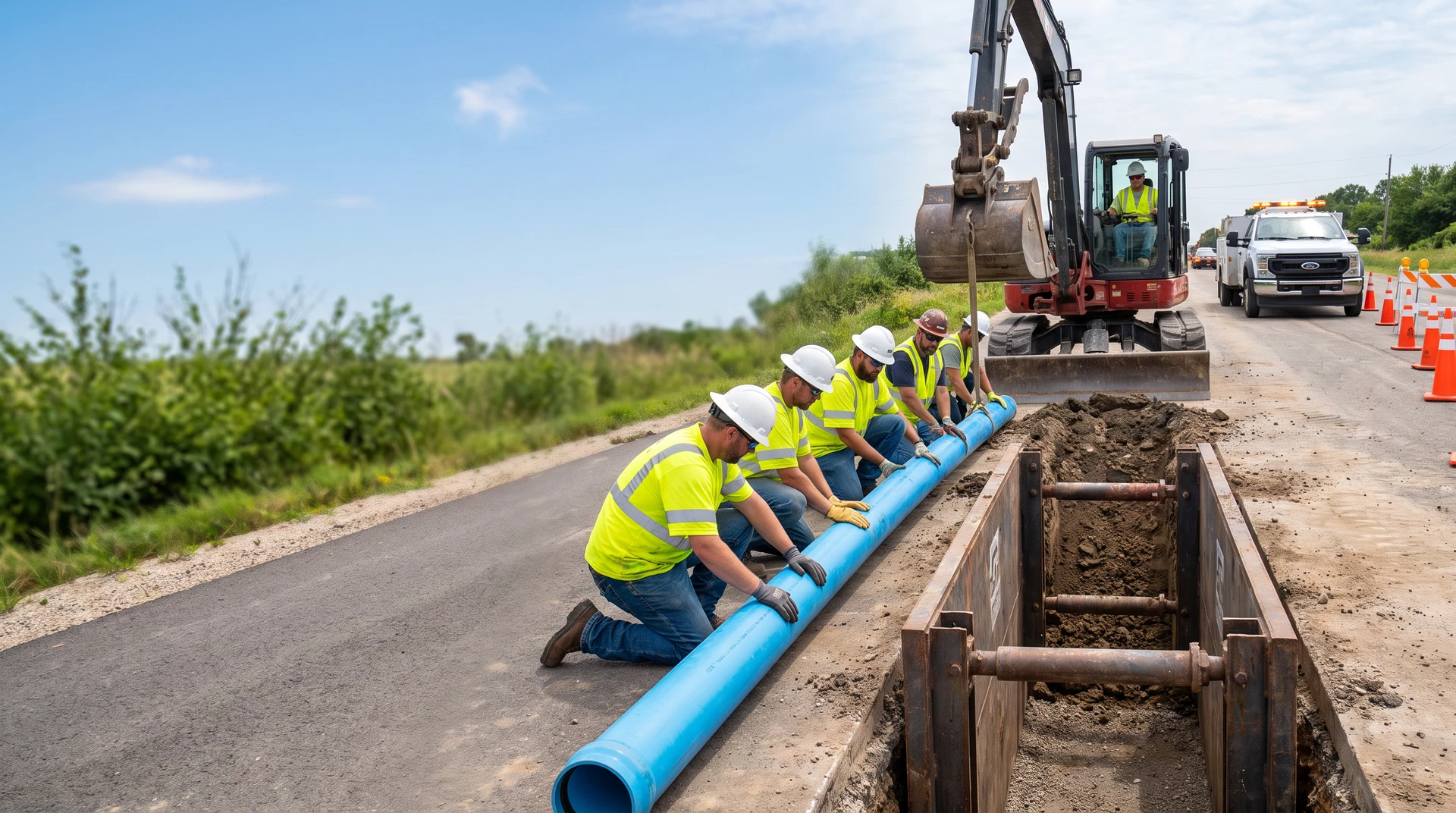
Get A QuoteCall (541) 238-7775Utility contractors may construct, repair, rehabilitate, or extend water, sewer, gas, petroleum, power, and communication systems. Their work can include distribution lines, mains, pumping stations, treatment structures, substations, towers, and underground cable. A single project can combine roadway exposure, heavy equipment, excavation, public interfaces, crews, subcontractors, fleet activity, and tight owner or general-contractor specifications.
An insurance review should consider the systems you work on, job depths, project locations, traffic-control duties, equipment, vehicles, payroll, contracts, subcontractors, environmental exposures, completed operations, and loss history. Coverage depends on the policy, endorsements, exclusions, work performed, and claim facts.
Before breaking ground, utility teams can review the scope, drawings, locate process, owner requirements, contracts, certificates, site access, traffic-control plan, equipment, emergency contacts, and coordination with other trades. New underground systems, different soil or water conditions, confined spaces, traffic lanes, a larger fleet, or subcontracted crews can change the insurance discussion.
OSHA highlights cave-ins as a major trenching hazard and identifies sloping, shoring, shielding, safe access and egress, edge protection, hazard evaluation, and inspection as key safeguards. Its excavation rule also addresses locating underground installations before excavation, high-visibility apparel near public traffic, mobile-equipment warnings, water accumulation, and competent-person inspections. These operational controls do not determine coverage, but documented practices and contracts can be important after a loss.
It is a practical description for insurance options tailored to utility-system construction. The right approach depends on the utility type, scope, location, contracts, people, equipment, and fleet.
Utility strikes, excavation conditions, third-party property damage, traffic, equipment, and public-service interruptions may create significant exposures. Policy applicability depends on coverage terms and facts.
Yes. Review additional-insured, indemnity, waiver, limits, completed-operations, project-specific, and subcontractor provisions before work begins.
Insure Pacific can learn about your utility systems, projects, contracts, equipment, drivers, crews, subcontractors, and risk priorities, then help compare appropriate carrier options.
Tell us about your utility scope, projects, equipment, fleet, crews, contracts, and priorities.
Get A Free QuoteReady to protect what matters most? Contact us today for a no-obligation insurance review. Our experienced agents are here to help you find the right coverage for your needs.