



The Insurance Risks of Employee-Owned Vehicles Used for Business Purposes
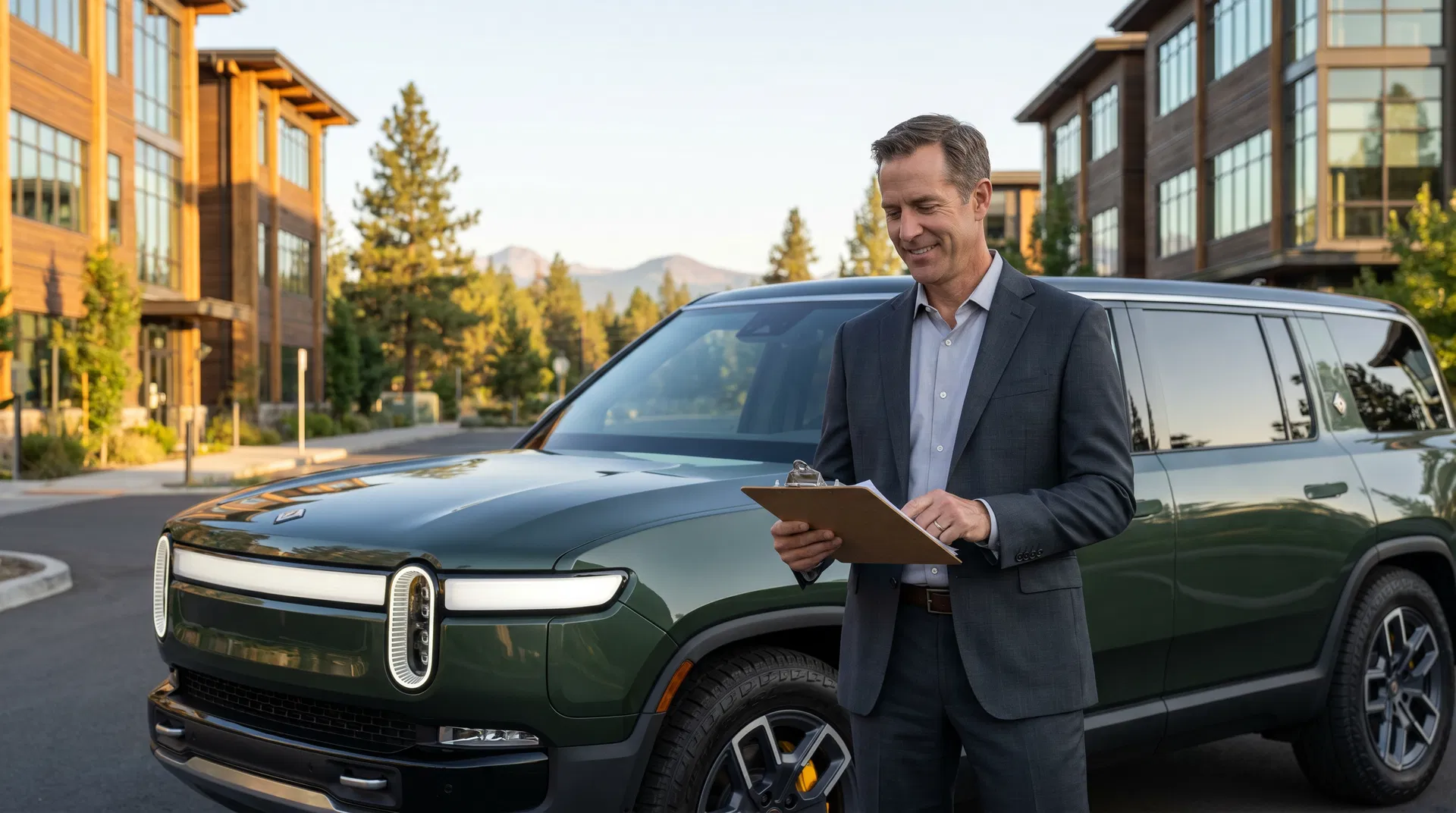
The Insurance Risks of Employee-Owned Vehicles Used for Business Purposes

Most Oregon businesses that don't own company vehicles assume they have no commercial auto exposure. They're wrong. If any of your employees drive their personal vehicles for business purposes — making deliveries, visiting clients, running errands, traveling between job sites — your business has a significant liability exposure that your standard commercial general liability policy almost certainly does not cover. This gap is called the "non-owned auto" exposure, and it's one of the most common and most dangerous coverage gaps in commercial insurance.
Hired and Non-Owned Auto (HNOA) insurance is the coverage designed to fill this gap. It protects your business when an employee causes an accident while driving their personal vehicle on company business — or when you rent a vehicle for business use. This guide explains exactly what HNOA covers, where the liability exposure comes from, the coverage gaps that leave Oregon businesses exposed, and how to structure a complete auto liability program for businesses that rely on employee-owned vehicles.
The "We Don't Own Any Vehicles" Myth
Many Oregon business owners believe that because they don't own company vehicles, they have no commercial auto exposure. Under Oregon's vicarious liability doctrine, an employer can be held liable for accidents caused by employees driving their personal vehicles in the course of employment — regardless of who owns the vehicle. A single serious accident can result in a judgment that exceeds your general liability limits and threatens your entire business.
Understanding Hired and Non-Owned Auto Insurance
Hired and Non-Owned Auto (HNOA) insurance is a commercial auto coverage that protects your business against liability claims arising from two specific situations. "Hired auto" coverage applies when your business rents, leases, or borrows a vehicle for business use — including rental cars used by employees on business travel. "Non-owned auto" coverage applies when employees use their personal vehicles for business purposes and cause an accident that results in a claim against your company.
HNOA is a liability-only coverage — it does not pay for physical damage to the employee's personal vehicle or the rented vehicle. It pays for the bodily injury and property damage claims made against your business by third parties injured in the accident. This distinction is important: if an employee damages their own car while on a business errand, HNOA does not pay for their car repairs. But if they injure another driver and that driver sues your business, HNOA is what protects you.
HNOA coverage is typically available as an endorsement to a commercial general liability policy or as part of a commercial auto policy. For businesses that don't own vehicles, adding HNOA as an endorsement to the CGL is often the most cost-effective approach. For businesses that own some vehicles and also have employees using personal vehicles, HNOA should be added to the commercial auto policy to ensure consistent coverage and limits.
HNOA Coverage at a Glance
Hired Auto: Rented/leased vehicles used for business — including employee rental cars on business travel
Non-Owned Auto: Employee personal vehicles used for business errands, deliveries, client visits, etc.
What it pays: Bodily injury and property damage liability claims against your business
What it doesn't pay: Physical damage to the vehicle; employee's personal auto claims
Typical limits: $1M per occurrence; umbrella coverage recommended
The Liability Exposure: Why Your Business Is at Risk
Oregon follows the doctrine of respondeat superior — "let the master answer" — which holds employers vicariously liable for the negligent acts of their employees committed within the scope of employment. When an employee causes an accident while driving their personal vehicle on a business errand, your company can be named as a defendant in the resulting lawsuit, regardless of who owns the vehicle.
The scope of this liability is broader than most business owners realize. "Business use" includes driving to a client meeting, making a bank deposit for the company, picking up supplies, driving between job sites, and even driving to a business lunch. It does not typically include the employee's regular commute to and from work — but the line between "business use" and "personal use" can be blurry, and plaintiff attorneys are skilled at arguing that any driving with a business connection falls within the scope of employment.
The financial exposure from a serious accident can be enormous. A multi-vehicle accident with serious injuries can generate claims of $500,000 to several million dollars. If your business is named as a defendant, the judgment can be enforced against your business assets — including your bank accounts, equipment, and real property. Your general liability policy almost certainly excludes auto liability, which means that without HNOA coverage, you're facing this exposure with no insurance protection.
| Scenario | Covered by Employee's Personal Auto? | Covered by Business HNOA? |
|---|---|---|
| Employee runs errand for boss, causes accident | Primary — up to policy limits | Excess — protects business if personal limits exhausted |
| Employee drives to client meeting, causes accident | Primary — up to policy limits | Excess — business named as defendant |
| Employee rents car on business trip, causes accident | May apply; varies by policy | Primary for hired auto exposure |
| Employee commutes to work, causes accident | Primary — commute is personal use | Not covered — commute is not business use |
| Employee makes delivery, causes accident | May be excluded — delivery use | Covers business liability exposure |
| Employee drives between job sites, causes accident | May apply; varies by policy | Covers business liability exposure |
Understanding the interaction between an employee's personal auto policy and your business HNOA coverage is critical. In most cases, the employee's personal policy is primary and your HNOA is excess — meaning your coverage only kicks in after the employee's personal limits are exhausted. But if the employee's personal policy excludes business use (which some do), your HNOA may become the primary coverage. Our commercial insurance specialists can help you understand how these coverages interact for your specific situation.
Coverage Gaps That Leave Oregon Businesses Exposed
Even businesses that have HNOA coverage may have gaps that create significant exposure. Understanding these gaps is essential to building a complete auto liability program.
Employee Personal Policy Exclusions
Many personal auto policies exclude or limit coverage for business use — particularly delivery and rideshare use. If your employee's personal policy doesn't cover business use, your HNOA becomes primary, which affects your limits and deductible.
Independent Contractor Exposure
If you use independent contractors who drive their own vehicles for your business, HNOA may not cover their accidents. The contractor vs. employee distinction matters significantly for auto liability — verify your coverage applies to contractors.
Inadequate Liability Limits
HNOA limits of $500,000 or less are often inadequate in today's litigation environment. A serious accident with multiple injured parties can easily generate claims exceeding $1 million. Umbrella coverage is strongly recommended.
No Physical Damage Coverage
HNOA does not cover physical damage to rented vehicles. If an employee rents a car on a business trip and damages it, the rental company's damage waiver (CDW) or your employee's personal auto policy is the only coverage — unless you add a specific physical damage endorsement.
Delivery and Rideshare Exclusions
If your employees use their personal vehicles for deliveries or rideshare-style services, many personal auto policies exclude this use entirely. This creates a coverage gap that HNOA alone may not fully address — a commercial auto policy may be required.
No MVR Screening Program
Without a motor vehicle record (MVR) screening program, you may be sending employees with suspended licenses, DUIs, or multiple violations out on business errands. This creates both liability exposure and potential coverage issues if an accident occurs.
Building a Complete Auto Liability Program for Oregon Businesses
A complete auto liability program for businesses that rely on employee-owned vehicles involves more than just purchasing HNOA coverage. It requires a combination of insurance coverage, risk management practices, and employee policies that work together to minimize both the frequency and severity of auto-related losses.
Add HNOA to Your Commercial Policy
If you don't already have HNOA coverage, add it immediately. It's typically inexpensive — often $200–$500 per year for small businesses — and the protection it provides is invaluable.
Implement an MVR Screening Program
Screen all employees who drive for business purposes before they start — and annually thereafter. Set clear standards for acceptable driving records and enforce them consistently.
Create a Written Vehicle Use Policy
Document which employees are authorized to drive for business, what types of business use are permitted, and what your expectations are for safe driving. A written policy demonstrates due diligence and helps defend against negligent entrustment claims.
Verify Employee Auto Insurance
Require employees who drive for business to carry adequate personal auto insurance — at minimum, Oregon's required limits of $25,000/$50,000/$20,000, but ideally $100,000/$300,000 or higher. Collect certificates of insurance annually.
Add Umbrella Coverage
HNOA limits of $1 million may not be adequate for a serious multi-vehicle accident. A commercial umbrella policy provides additional limits at a relatively low cost and is strongly recommended for any business with regular employee driving.
Review Coverage Annually
As your business grows and your employee count changes, your HNOA exposure changes. Review your coverage every year to ensure limits are adequate and all driving employees are properly covered.
The non-owned auto exposure is one of the most common coverage gaps in Oregon commercial insurance — and one of the easiest to fix. If your employees drive their personal vehicles for any business purpose, HNOA coverage is not optional. To review your current coverage or add HNOA protection, get a free quote or contact our commercial team. You may also find our guides on auto insurance and commercial insurance for Oregon businesses helpful for understanding your full coverage picture.
Our Licensed Coverage Area
States highlighted in blue are states where Insure Pacific holds an active insurance license.
Hover to highlight — click a state to visit its insurance page
Our Oregon Office Locations
Hover over a marker to see the office — click to visit their website.
Hover to highlight — click to visit that office's website
Ready to Get Protected?
Talk to a Local Oregon Insurance Expert
Insure Pacific has been serving Oregon families and businesses since 1935. We work with 50+ carriers so you get real options — not just one company's answer.
Related Articles
 Commercial Insurance
General Liability Insurance: What It Covers—and What It Doesn’t
Read Article → Commercial Insurance
Multi-State Workers’ Compensation: Remote Employees, Traveling Crews, and Out-of-State Jobs
Read Article → Commercial Insurance
Import and Export Cargo Insurance: Ocean Freight, Ports, Customs, and Inland Transportation
Read Article → Commercial Insurance
Has Your Business Outgrown Its Insurance? Revenue, Payroll, New Locations, and New Services
Read Article →Get in Touch
Ready to protect what matters most? Contact us today for a no-obligation insurance review. Our experienced agents are here to help you find the right coverage for your needs.


