Your business may still have the same name and the same insurance agent, but the operation behind that name can change dramatically. A second location, larger payroll, delivery service or new line of consulting can create different exposures from the ones described in your original application. A business owners policy that suited your startup deserves a fresh look when the business changes.
The right question is not simply, “Should I buy more insurance?” It is, “Do my policies accurately describe what we own, where we work, who does the work and what we now promise customers?” Sometimes higher limits are appropriate. Sometimes a new endorsement, a separate policy or different coverage terms matter more. Nationwide and Travelers both identify operational changes—not only annual renewal dates—as reasons to review business insurance. [1] [2]
The short answer
Review insurance before a material change takes effect. Revenue and payroll are useful signals, but there is no universal percentage increase, employee count or sales threshold that proves a business has outgrown every insurer's policy. Review the actual forms, current exposures and planned operations.
Start with the business you run today
Pull out your declarations, schedules and endorsements rather than relying only on a premium invoice or certificate. Compare the named insured with the legal entities that own the assets, sign leases, employ people and enter contracts. Then compare listed operations and addresses with what actually happens during a normal working week.
A company can grow without hiring many employees. It might move from local sales to shipping nationwide, hold customer equipment overnight, or begin installing products that it previously only sold. Another company can double its staff while keeping broadly the same operations. These situations should not produce identical reviews merely because both owners call them “growth.”
Make a simple change log with an effective date and person responsible for each development. Separate changes already completed from plans that depend on permits, financing or a signed lease. This gives the insurance review a timeline and helps identify where a requested endorsement or new policy must be confirmed before activity begins.
Higher revenue: review the exposure, not just the number
Sales can affect the exposure basis used for some liability policies, depending on classification and rating rules. However, annual revenue is not a universal substitute for a property limit, a liability limit or the amount payable after an interruption. Ask which policies use estimated sales, payroll, area or another measure, and whether an audit or other adjustment applies.
Look beyond total sales. A distributor selling more of the same goods has a different story from one adding a product used in hospitals or industrial machinery. A retailer whose sales shift online may take on fulfillment, shipping, customer-data and return-handling issues. Explain the revenue mix, customer types, sales territories and any new contractual guarantees.
If sales have fallen, report that too. Lower revenue does not necessarily mean every exposure has declined: a largely empty warehouse can still contain expensive machinery, and a smaller team can still perform high-risk work. An accurate review can lead to more, less or different insurance; it is not a promise of a lower premium. [2]
Premium audits and coverage changes are different things
An auditable policy may begin with estimated exposures and later compare them with actual records. Travelers describes that process for its audited coverage. An adjustment can produce additional premium or a credit, depending on the policy and the facts. It does not automatically raise your liability limits or demonstrate that an undisclosed new operation is covered. [5]
Keep records that allow the insurer to understand the reported figures: sales by activity where relevant, payroll reports, subcontractor records and dates of operational changes. Do not assume classifications can be selected simply to obtain a cheaper rate. Ask how the insurer's classification and reporting rules apply to your actual business.
Growing payroll: employee duties matter as well as wages
A larger payroll may come from raises, overtime, seasonal hiring or a new kind of work. Separate these changes. A new office administrator, delivery driver and installation technician do not present the same exposures. Tell your agent where employees work, what they do, whether they travel and whether the business uses temporary labor or subcontractors.
Review employee-related coverage separately from general liability. Workers' compensation arrangements, employment practices, benefit administration and employer liability depend on the state, the work and the policy involved. An employee count entered on last year's application does not tell the full story about a growing workforce.
Washington employers: review L&I, not ordinary private placement
Washington generally uses the L&I state industrial-insurance program or L&I-certified self-insurance, subject to applicable exclusions and special rules. State Fund premiums generally use worker hours and assigned business classifications, with exceptions. A salary increase alone should not be described as automatically producing a proportional L&I premium increase. [6]
Changed business activities, reported hours and accurate employment records matter. For example, adding a different trade can require a classification review. Consult the state's rules and the Eastern Washington L&I industrial-insurance guide; do not freely split hours by estimated percentages or assume a private commercial insurance review changes your L&I account.
For work across state lines, explain where employees are hired, based and assigned. An Oregon company opening an Idaho branch or sending staff into Washington should review each applicable system. Obtain state-specific guidance before assuming that a policy or account in one state resolves every exposure in another.
More inventory, machinery and improvements can outgrow old values
Growth often puts more property at risk before the owner notices the insurance schedule. New shelving, packaging machinery, computers, tools, customer property and tenant improvements may all need attention. Review commercial property insurance against an updated inventory and the policy's property definitions, not just the value entered when the business opened.
Distinguish property you own from leased equipment and property belonging to customers or others. A loan balance, purchase price or tax value is not necessarily the correct insurance valuation. Ask about replacement cost versus actual cash value, deductibles, sublimits, coinsurance where applicable and how newly acquired property is treated.
A seasonal inventory peak can matter even if the annual average looks comfortable. Describe your highest likely stock levels, storage sites and property temporarily away from the premises. A blanket arrangement is not an invitation to ignore location values or policy conditions. Ask how limits apply to the actual concentration of assets at each site.
Equipment breakdown, property in transit and mobile tools may require different analysis from ordinary building and contents coverage. Buying another machine does not by itself establish coverage for mechanical failure, spoilage or property transported to a jobsite. Review those exposures before relying on a general property description.
A new location is more than an extra street address
Opening a store, renting warehouse space, moving to a larger office or taking over an adjacent suite changes more than your mailing address. The construction, fire protection, occupancy, neighbors, security and property concentration may affect underwriting. Explain what happens at the new site, when you take possession and when equipment or inventory arrives.
Some policies include limited newly acquired property or location provisions. Those provisions can have reporting deadlines, caps, eligibility conditions and limits on what they cover. Do not assume a new address is fully insured simply because it belongs to the same company. Request confirmation of the actual coverage and effective date.
Read the lease and construction arrangements early. Identify who must insure tenant improvements, glass, signs and equipment; who maintains HVAC or other systems; and what liability endorsements the contract requests. A certificate is evidence of described insurance, not a substitute for the policy and endorsements that establish coverage.
Keep the old location in the conversation. You might retain a lease, leave equipment behind or overlap operations during a move. Planned moving expenses and renovation downtime are not automatically insured business interruptions. Coordinate the locations, existing structure, renovation work and transition period instead of assuming one policy change resolves them all.
Recalculate business income around the operation's recovery needs
A growing company's recovery can cost more and take longer than it did at startup. More customers, specialized equipment, a larger payroll and a busier season can increase the consequences of a shutdown. Revisit business income and extra expense using a worksheet and realistic recovery assumptions, rather than copying last year's figure.
Travelers describes business income in terms of net income and normal continuing operating expenses under the policy, while extra expense addresses qualifying costs to avoid or minimize a suspension. Coverage commonly depends on qualifying physical damage and other terms. Annual gross revenue is not automatically the insured payout, and slow sales alone are not the same as a covered interruption. [4]
Discuss the time needed to repair the site, source a replacement machine, obtain approvals and regain operations. Ask about waiting periods, restoration periods, extended business income and any applicable limits or exclusions. A larger limit will not fix an uncovered cause of loss or an unsuitable period of indemnity.
Identify continuing costs such as rent, selected payroll, debt-related obligations and other expenses for the insurer's analysis. Also describe possible temporary sites, rented machinery and expedited shipping. These are planning inputs—not an assurance that every listed expense will be paid. Review dependent suppliers and customer locations if the business relies heavily on them.
New vehicles, deliveries and employee driving change the review
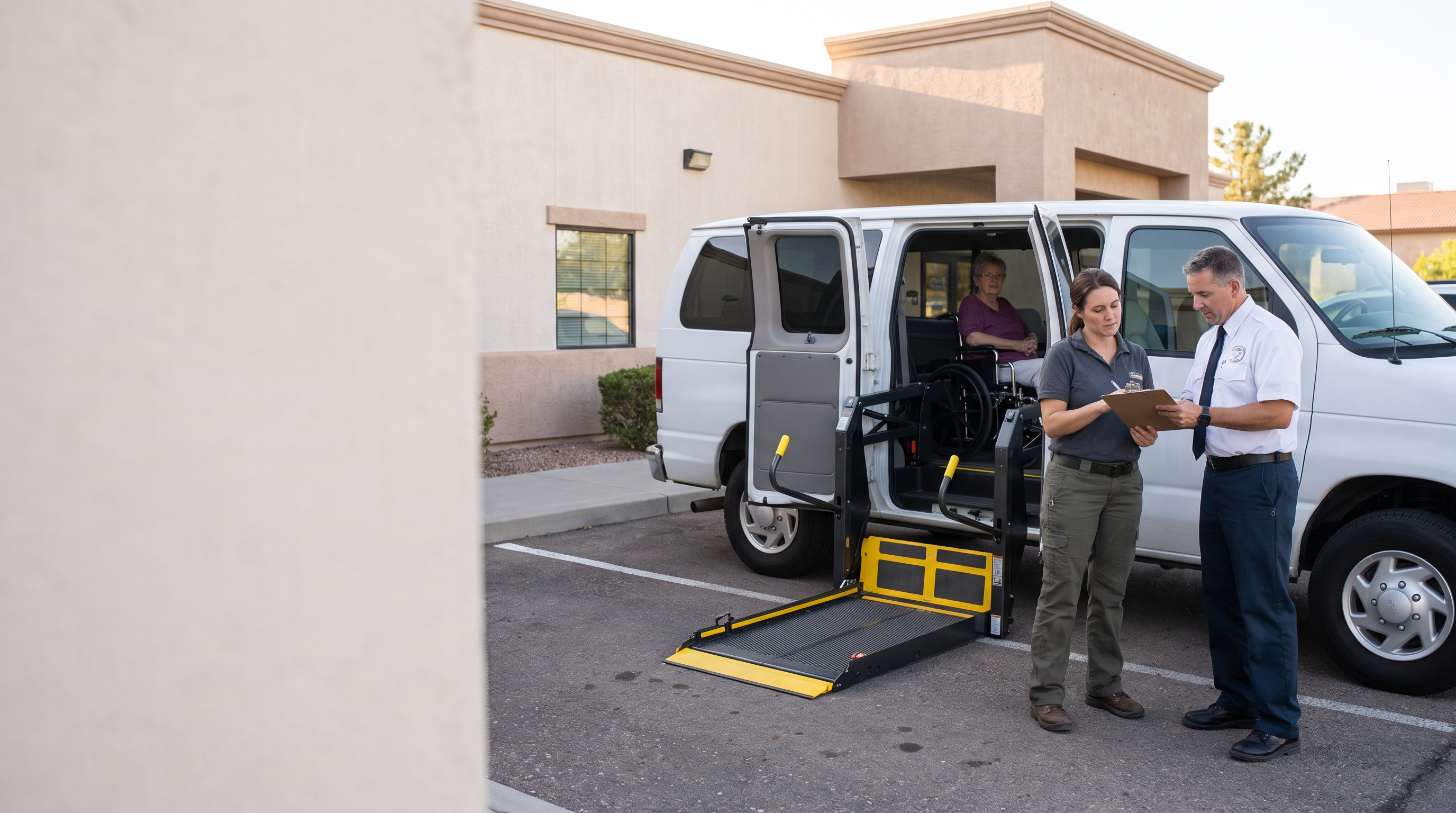
A business does not need a fleet to have auto exposure. Staff may use their own cars to pick up supplies, visit customers or make deliveries. A rented van, company pickup or trailer may also be used in ways not contemplated when the policy was written. Review commercial auto insurance with the actual vehicle uses, drivers and territories.
Travelers notes that a business can face liability when an employee has an accident while driving for work. Hired and non-owned auto liability is an important review question, but its scope depends on policy terms. Do not assume an employee's personal insurance fully protects the company, or that every instance of business use voids the employee's personal coverage. [7]
Liability for the company's use of a non-owned car is different from repairing that car. Ask about insured status, vehicle eligibility, physical damage and the employee's own policy. Describe delivery, transportation for customers, towing, rented vehicles and driving into other states; these uses should not be reduced to a vague “occasional errands” label.
Driver screening and reporting changes also matter. Keep an up-to-date driver roster, authorization rules and procedures for reporting accidents. Growing faster than your fleet or driver records can make it difficult to identify the correct vehicles, people and activities when a claim occurs.
New services can call for different liability coverage
Selling a product, installing it, designing it and advising someone how to use it are not interchangeable activities. A customer can allege an injury, damaged property, defective work or a financial loss from advice. The coverage review should distinguish those allegations rather than treating them all as ordinary general liability.
Ask whether professional liability or errors and omissions insurance addresses the new services. A policy may define covered professional services specifically. Review design, consulting, inspection, configuration, training and other work you are adding, including any subcontracted services and contractual responsibility.
One publicly available Hiscox sample illustrates why the actual wording matters: it defines professional services by the endorsement and includes particular exclusions and claims-made requirements. That historical sample, dated January 2010, is an example—not proof of current offered terms or any customer's coverage. [8]
For claims-made coverage, discuss the retroactive date, reporting requirements, continuity when switching insurers and extended reporting options where available. Also check whether defense costs reduce limits and how contract guarantees are treated. Do not cancel existing coverage merely because a new service appears similar to your old work.
Physical products and completed work need their own review. A performance promise or delivery guarantee in a sales contract may create responsibility beyond what a policy covers. Insurance should be reviewed alongside the agreement; it does not automatically convert every contractual promise into an insured obligation.
Digital expansion and bigger contracts deserve separate attention
Online ordering, cloud software, remote access and a growing customer database can change the business even when the storefront does not move. Review cyber liability insurance alongside actual data handling, payment processes, backups and vendor dependencies. A small cybersecurity endorsement may not address the same exposures as a broader separate policy.
Payment fraud, ransomware, data-breach response and system downtime are not all the same claim. Ask about the relevant insuring agreements, exclusions, sublimits and reporting procedures. Security controls stated on an application should match reality; outsourcing technology does not automatically transfer all legal or financial responsibility to the vendor.
Larger customers may request higher limits or specific endorsements. Review each contract's insurance requirements and how they relate to the underlying policies. A commercial umbrella or excess policy can add another layer for qualifying claims, but it does not automatically fill every exclusion, cover every line of insurance or pay all deductibles.
Check the required underlying limits, covered entities and activities, and whether a separate excess policy is needed for an exposure such as professional or cyber liability. Being able to show a large limit on a certificate is not enough if the relevant underlying coverage, insured status or contract endorsement is missing.
Three practical growth-review examples
A retailer opens a warehouse and starts delivery
In this hypothetical example, the revenue increase is only one change. The review should address the warehouse address, stock concentration, staff duties, vehicles, customer goods in transit and any new lease obligations. The owner should also revisit income projections and recovery plans if the warehouse becomes essential to both stores. An audit adjustment to sales alone would not answer those questions.
A contractor adds design and inspection services
A contractor may already have liability insurance for physical work but begin charging for plans or inspection reports. Review the descriptions of operations and professional services, contracts, project types and possible financial-loss allegations. If claims-made professional coverage is involved, preserve the relevant continuity and reporting arrangements rather than assuming the existing construction policy covers the new advice.
A service company hires staff in another state
The review should consider where people work, employment arrangements, employee driving, client locations and the applicable state systems. It should also check entity names, payroll or hours reporting and any new office equipment. These examples illustrate review questions, not promised claim outcomes or universal policy requirements.
What to bring to your commercial insurance review
Bring current policies, schedules and endorsements, plus a concise description of the business today. A useful package includes the following records. Send sensitive information only through an agency-approved channel; do not include medical details, account credentials or payment-card numbers in a basic quote inquiry.
- Financial and audit information: actual and projected sales by activity where relevant, payroll or required hour reports, and recent audit statements.
- People and work: employee duties, work states, seasonal staffing, subcontractor arrangements and employee driving.
- Property and locations: addresses, occupancy, construction, major equipment, stock peaks, leased assets and tenant improvements.
- Vehicles and services: driver and vehicle rosters, business uses, new products, professional services and customer territories.
- Agreements and recovery: leases, important customer contracts, required endorsements, technology vendors and a realistic interruption worksheet.
For each proposed change, ask what is already covered, what must be requested, which terms remain subject to underwriting and when accepted changes become effective. Keep written confirmations with the change log. A conversation, application, quote or certificate alone is not proof that a requested change has been bound.
Schedule a regular review and contact the agency between renewals when operations change. Assign someone inside the business to report new addresses, activities, drivers and major assets. Our earlier seven-trigger business-growth guide provides another starting checklist; this article adds the detailed records and policy-coordination questions to work through.
Business-growth insurance questions
How do I know whether my business has outgrown its insurance?
Compare your current operations with the information used when your policies were issued. New property, locations, employees, driving, products, professional services or contract requirements can call for a review even if revenue has barely changed. There is no universal revenue or headcount trigger that applies to every insurer and policy.
Does higher revenue automatically mean I need higher insurance limits?
Not necessarily. Revenue may affect an auditable exposure or business-income analysis, but appropriate limits also depend on property values, liability scenarios, contracts, deductibles and policy terms. A premium adjustment does not by itself increase coverage limits.
Does a premium audit cover new operations I forgot to report?
Do not assume so. An audit reconciles the exposures defined by the policy and may adjust premium. It is not proof that a new service, address, vehicle or entity is covered, and it does not automatically provide retroactive coverage or increased limits.
Is a new business location automatically insured?
Some forms have limited automatic or newly acquired location provisions, with conditions, reporting deadlines and sublimits. Others may require a scheduled address or endorsement. Ask for confirmation of the actual coverage and effective date before assuming the new site is insured.
What if employees drive their own cars for business?
Their business trips can create liability exposure for the company. Review hired and non-owned auto liability, driver eligibility and the employee's own insurance. Personal-auto business-use terms vary, and hired and non-owned liability does not automatically pay to repair the employee's car.
Does general liability cover every new professional service?
No. Professional advice, design, consulting or other services may create exposures that need separate professional liability or errors and omissions coverage. Review the actual covered-services definition, exclusions, contracts and any claims-made reporting and retroactive-date requirements.
How is Washington L&I different when a business grows?
Washington generally uses the L&I state industrial-insurance program or L&I-certified self-insurance, subject to applicable exclusions and rules. State Fund premiums generally use worker hours and assigned business classifications, with exceptions. Review changed operations, hours and records with L&I rather than treating Washington as ordinary private workers' compensation placement.
Does asking for a review bind the changes to my insurance?
No. A discussion, quote request, application or certificate alone is not confirmation that requested coverage has been bound or that an endorsement is effective. Ask for written confirmation of the accepted coverage, insured entities, locations, limits and start date from an authorized representative.
Sources and further reading
Research reviewed November 8, 2026. The following insurer, industry and government resources support the review topics above. Your own forms, endorsements and applicable law control actual coverage.
- Nationwide: Updating your insurance as your business grows
- Travelers: When to update business insurance
- Insurance Information Institute: Understanding business owners policies
- Travelers: Understanding business income coverage
- Travelers: Premium audits
- Washington L&I: Employer reporting and industrial insurance guide
- Travelers: Hired and non-owned auto coverage
- Hiscox: Illustrative professional liability sample policy, form dated January 2010
This article is general educational information, not a coverage determination or legal, tax, employment or accounting advice. Availability, eligibility, limits, exclusions, premiums and claims decisions depend on the insurer, policy, application, facts and applicable state rules. Request written confirmation before relying on a proposed coverage change.