



When Your Business Outgrows Its Insurance: 7 Triggers That Mean It's Time for a Coverage Review

When Your Business Outgrows Its Insurance: 7 Triggers That Mean It's Time for a Coverage Review

Most Oregon small businesses start with a Business Owner's Policy — a BOP — and a handshake. It covers the basics: property, general liability, maybe business interruption. For a brand-new operation with one location, a handful of employees, and modest revenue, it is usually enough.
Then the business grows. You hire your fifth employee, then your fifteenth. You sign a contract with a major client that requires $5 million in liability coverage. You buy a second vehicle for deliveries. You start collecting customer payment data online. You open a second location. You bring on a business partner. Each of these milestones is a cause for celebration — and each one quietly creates a gap between the coverage you have and the coverage you actually need.
The problem is that insurance policies do not automatically update when your business does. Your BOP was written for the company you were, not the company you are. And the gap between those two versions of your business is where the most expensive claims live.
According to the 2025 Hiscox Underinsurance in Small Business Report, 77% of U.S. small businesses are underinsured — and that number has been rising. The same report found that 77% of small business owners cannot accurately describe what their Business Owner's Policy covers. The gap between what business owners think they have and what they actually have is one of the most dangerous and preventable risks in business today.
Below are the seven most common business milestones that signal it is time to call your independent insurance agent and schedule a full coverage review. If any of these sound familiar, your current policy may already be leaving you exposed.
You've Hired Your Fifth Employee — or Your Fifteenth
Headcount is one of the most direct drivers of insurance exposure, and it affects multiple lines of coverage simultaneously. Workers' compensation premiums are calculated on payroll — if your payroll has grown significantly since your last policy review, you may be underreporting and face a surprise audit adjustment at renewal. More importantly, once you have five or more employees, your exposure to employment practices liability claims — wrongful termination, discrimination, harassment, retaliation — rises sharply.
What Changes at This Trigger
- • Workers' Compensation: Payroll audit exposure; verify your class codes are accurate for all new roles
- • Employment Practices Liability (EPLI): Covers wrongful termination, harassment, and discrimination claims — not included in a standard BOP
- • General Liability limits: More employees means more customer-facing interactions and more potential for claims
- • Employee Benefits Liability: If you are now offering health insurance or retirement plans, you need coverage for errors in administering those benefits
Oregon employers should also be aware that the state has specific workers' compensation requirements and that failure to maintain proper coverage can result in significant penalties. Our team works with businesses across Oregon to ensure workers' comp classifications are accurate and coverage is properly structured as teams grow.
You've Signed a Major Contract — and It Has Insurance Requirements
Landing a large client or government contract is a major milestone. It is also one of the most common triggers for discovering that your current coverage is inadequate. Large clients — particularly municipalities, school districts, healthcare systems, and major corporations — routinely require vendors and contractors to carry specific insurance limits and coverages as a condition of doing business.
Common Contract Insurance Requirements
- • General Liability: $2M–$5M per occurrence (standard BOP is typically $1M)
- • Commercial Umbrella: $5M–$10M excess layer above primary coverages
- • Professional Liability / E&O: Required for any service, consulting, or professional work
- • Cyber Liability: Increasingly required for any vendor handling client data
- • Additional Insured status: The client must be named on your policy — requires an endorsement
Failing to meet a contract's insurance requirements can cost you the contract. Signing a contract and then failing to maintain the required coverages can put you in breach — and expose you to liability without the coverage to back it up. Review every major contract's insurance requirements with your agent before signing. Our commercial insurance team regularly helps Oregon businesses structure coverage to meet specific contract requirements.
You've Added a Vehicle — or Your Employees Are Driving Their Own Cars for Work
Commercial auto exposure is one of the most commonly overlooked coverage gaps for growing businesses. Many business owners assume their employees' personal auto insurance covers them when driving for work purposes. It does not — or at least, not reliably. Personal auto policies typically exclude or severely limit coverage for business use, and the gap falls on the employer.
The Two Scenarios That Create Gaps
Company-owned vehicles: Any vehicle titled to or regularly used by the business must be on a commercial auto policy. A personal auto policy will not cover a vehicle used primarily for business.
Employee-owned vehicles used for work (HNOA): When employees drive their personal vehicles for business errands, deliveries, or client visits, the employer can be held liable for accidents. Hired and Non-Owned Auto (HNOA) coverage fills this gap and is typically added as an endorsement to your commercial auto or general liability policy.
We have written extensively about this specific gap in our post on the insurance risks of employee-owned vehicles used for business purposes. If you have employees who drive for any work-related purpose — even occasional errands — this is a coverage review you need to have.
Has Your Business Hit Any of These Triggers?
Insure Pacific works with 50+ carriers to identify coverage gaps before they become claims. A coverage review takes 30 minutes and costs nothing.
You've Bought Significant Equipment or Expanded Your Physical Space
Business property insurance covers the physical assets of your business — your building (if you own it), your equipment, your inventory, and your business personal property. When you buy a new CNC machine, a commercial oven, a server rack, or a fleet of tools, those assets need to be added to your policy. If they are not, you are self-insuring them.
What Growing Businesses Often Miss
- • Equipment Breakdown Coverage: Standard property insurance covers damage from fire or theft — not mechanical breakdown. If your production equipment fails, equipment breakdown coverage pays for repair or replacement and the resulting business interruption.
- • Leasehold Improvements: If you have renovated a leased space, those improvements may not be covered under the landlord's policy or your standard BOP. They need to be specifically scheduled.
- • Inland Marine / Floater Policies: Equipment that moves between job sites — tools, cameras, medical equipment, construction gear — is typically not covered under a standard property policy while in transit or off-premises.
- • Coinsurance Penalties: If your property is insured for less than 80% of its replacement cost, most policies impose a coinsurance penalty on claims — meaning you pay a portion of every loss even if it is below your limit.
We have covered the specific risks of equipment failure in our post on what happens when a key piece of equipment breaks down during peak season. For businesses that depend on specific machinery or technology, this is one of the most financially devastating — and most preventable — coverage gaps.
You're Collecting Customer Data Online — or Your Business Has Gone Digital
Cyber liability is the fastest-growing coverage gap for small and mid-sized businesses in Oregon and across the country. If your business has a website, accepts online payments, stores customer information, or uses email for client communications, you have cyber exposure. A standard BOP provides zero cyber coverage.
What a Cyber Incident Actually Costs
The average cost of a data breach for a small business now exceeds $200,000 — enough to permanently close most small operations. That figure includes forensic investigation, legal notification requirements, credit monitoring for affected customers, regulatory fines, and business interruption losses while systems are restored.
Ransomware attacks — where criminals encrypt your data and demand payment to restore it — have become the most common cyber incident for small businesses. The ransom itself is often the smallest cost; the downtime, data recovery, and reputational damage are far more expensive.
Oregon-specific note: Oregon has its own data breach notification law (ORS Chapter 646A) that requires businesses to notify affected individuals and, in some cases, the Oregon Attorney General within specific timeframes. Failure to comply can result in civil penalties. Cyber liability insurance typically covers the legal and notification costs associated with compliance.
The Hiscox 2025 report found that 39% of small businesses without cyber coverage believe they don't need it because "their systems are secure" — and 30% believe they are too small to be targeted. Both assumptions are demonstrably false. Cyber criminals specifically target small businesses because they typically have weaker defenses than large enterprises. If your business has gone digital in any meaningful way, a standalone cyber liability policy is no longer optional.
You've Added a Business Partner, Investor, or Formed a Board
When your business transitions from a sole proprietorship or single-owner LLC to a multi-owner structure — whether through a business partner, outside investor, or formal board of directors — your insurance needs change fundamentally. You now have governance obligations, fiduciary duties, and the potential for disputes between principals that your original policy was never designed to address.
Coverages That Become Critical at This Stage
- • Directors & Officers (D&O) Insurance: Protects company leadership from personal liability for management decisions. Investors and board members will typically require this as a condition of participation.
- • Key Person Life Insurance: If the business depends on one or two key individuals, life insurance on those individuals protects the business — and its partners — from the financial impact of an unexpected death.
- • Buy-Sell Agreement Funding: A properly funded buy-sell agreement, typically backed by life insurance, ensures that if one partner dies or becomes disabled, the surviving partner(s) can buy out their interest without a financial crisis. Without this, a deceased partner's heirs become your new business partners.
- • Fiduciary Liability: If you offer employee benefit plans, fiduciary liability insurance protects plan administrators from claims of mismanagement.
Business succession and ownership transition planning is one of the areas where insurance and financial planning most directly intersect. Our post on what your insurance agent knows that your financial advisor doesn't covers the buy-sell agreement gap in detail — it is one of the most consequential and most commonly overlooked coverage decisions a growing business can make.
Your Revenue Has Grown by 20% or More — or You've Opened a New Location
Revenue growth and physical expansion are the most straightforward triggers for a coverage review — and the most commonly ignored. Business interruption insurance, which replaces lost income if your business is forced to close due to a covered loss, is typically written based on your revenue at the time the policy was issued. If your revenue has grown significantly since then, your business interruption coverage may replace only a fraction of what you would actually lose.
The Revenue Growth Coverage Gap
A business that was generating $500,000 in annual revenue when its policy was written, and is now generating $900,000, may have business interruption coverage that only replaces $500,000 of income — leaving a $400,000 gap in a worst-case scenario. The same logic applies to property values: if your inventory, equipment, or leasehold improvements have grown in value, your property coverage may be inadequate.
Opening a second location adds an entirely new set of exposures: a new property, new employees, new liability exposure, and potentially new professional or product liability risks depending on what the new location does. Each location should be specifically scheduled on your policy.
For businesses operating across multiple locations or expanding into new markets, our post on business owners insurance for companies expanding into multiple western states covers the specific coverage considerations for multi-location operations. And our complete small business insurance checklist for Oregon is a useful starting point for any comprehensive review.
The Insure Pacific Business Coverage Review
Insure Pacific has been serving Oregon businesses since 1935. We work with 50+ carriers and take a comprehensive view of your risk profile — not just your policy count. Whether you need commercial insurance, commercial property coverage, or a complete review of your existing policy, we identify the gaps before they become claims.
Schedule a Business Coverage ReviewThe 7-Trigger Coverage Review Checklist
Use this checklist to determine whether your business has hit any of the triggers that signal a coverage review is overdue. If you check even one box, it is time to call your independent insurance agent.
You've hired your 5th employee — or your payroll has grown by 20% or more since your last policy review
Review these coverages: Workers' Comp, EPLI, General Liability limits
You've signed a contract that specifies insurance requirements — or you're bidding on one
Review these coverages: GL limits, Umbrella, Professional Liability, Cyber, Additional Insured endorsements
You've added a company vehicle, or employees are driving their personal cars for work
Review these coverages: Commercial Auto, Hired & Non-Owned Auto (HNOA)
You've bought significant equipment, renovated a space, or expanded your physical footprint
Review these coverages: Equipment Breakdown, Inland Marine, Leasehold Improvements, Coinsurance review
You've launched a website, started accepting online payments, or are storing customer data
Review these coverages: Cyber Liability, Data Breach Response
You've added a business partner, taken on investors, or formed a board
Review these coverages: D&O, Key Person Life, Buy-Sell Agreement Funding, Fiduciary Liability
Your revenue has grown by 20%+ since your last review, or you've opened a new location
Review these coverages: Business Interruption limits, Property values, New location scheduling
What a Coverage Review Actually Involves — and Why Independent Agents Do It Better
A coverage review is not a sales call. Done properly, it is a structured audit of your current policies against your current risk profile — identifying gaps, redundancies, and opportunities to restructure coverage more efficiently. Here is what a thorough review covers:
The key advantage of working with an independent agent — rather than a captive agent who represents a single carrier — is market access. A captive agent can only offer you what their one carrier provides. An independent agent can shop your risk across dozens of carriers to find the combination of coverage and price that best fits your current needs. Our post on the independent agent advantage explains how this works in practice and why it matters for growing businesses.
The Bottom Line: Your Insurance Should Grow With Your Business
The most dangerous insurance gap is the one you don't know you have. A Business Owner's Policy that was adequate when you launched may be leaving you significantly exposed today — not because anything went wrong, but because your business succeeded. Growth creates risk. Managing that risk is not a one-time task; it is an ongoing process that should be revisited every time your business hits a significant milestone.
The seven triggers in this post are not exhaustive — they are the most common. If your business has experienced any of them, a coverage review is not optional. It is one of the most cost-effective risk management decisions you can make.
Insure Pacific has been helping Oregon businesses navigate exactly these transitions since 1935. We work with 50+ carriers, take a comprehensive view of your risk profile, and make sure your coverage keeps pace with your growth. Whether you are a small business in Bend, a contractor expanding your operations, or a manufacturer adding capacity, we are here to make sure your insurance grows with you.
Ready to Make Sure Your Coverage Has Kept Pace With Your Growth?
Insure Pacific's independent agents work with 50+ carriers and take a comprehensive view of your business risk. A coverage review is free, takes 30 minutes, and could save you from a six-figure gap when you need coverage most.
Our Licensed Coverage Area
States highlighted in blue are states where Insure Pacific holds an active insurance license.
Hover to highlight — click a state to visit its insurance page
Our Oregon Office Locations
Hover over a marker to see the office — click to visit their website.
Hover to highlight — click to visit that office's website
Ready to Get Protected?
Talk to a Local Oregon Insurance Expert
Insure Pacific has been serving Oregon families and businesses since 1935. We work with 50+ carriers so you get real options — not just one company's answer.
Related Articles
 Commercial Insurance
Has Your Business Outgrown Its Insurance? Revenue, Payroll, New Locations, and New Services
Read Article → Commercial Insurance
Buying a Commercial Building: Insurance Questions to Answer Before Closing
Read Article →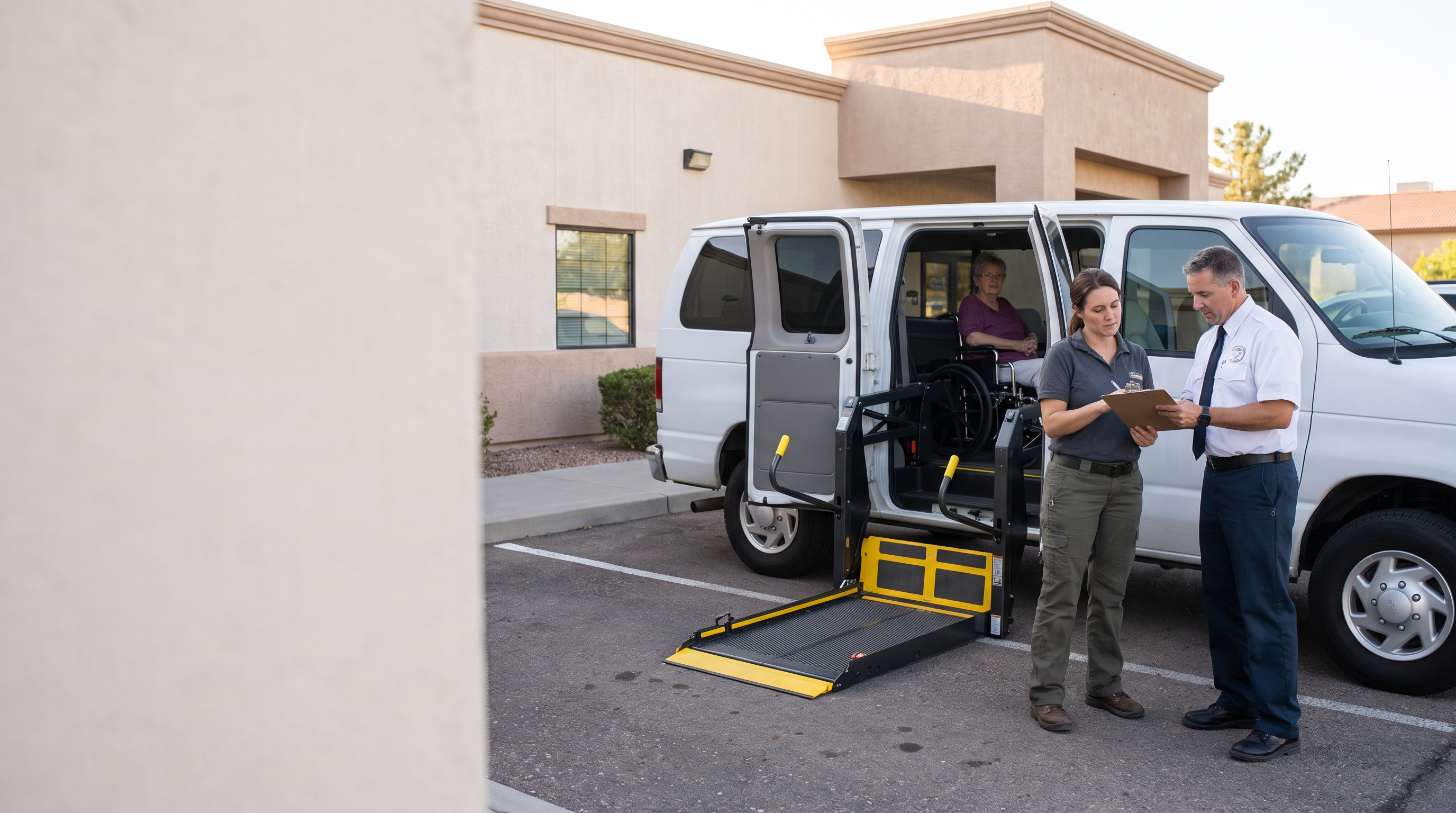 Commercial Insurance
Non-Emergency Medical Transportation Insurance: Passenger Injuries, Wheelchair Lifts, Driver Screening, Contracts & Commercial Auto Limits
Read Article → Commercial Insurance
General Contractor Insurance and Subcontractor Risk: Certificates, Additional Insured Status, Waivers of Subrogation, and Indemnity
Read Article →Get in Touch
Ready to protect what matters most? Contact us today for a no-obligation insurance review. Our experienced agents are here to help you find the right coverage for your needs.


