



The Coverage Walkthrough: How to Read Your Business Insurance Policy Like an Underwriter

The Coverage Walkthrough: How to Read Your Business Insurance Policy Like an Underwriter

Your insurance policy is not just a stack of paper. It is the instruction manual for what happens on one of the worst days your business may ever face. And yet most business owners have never read it — not the full document, not even the first ten pages. They rely on a summary, a certificate, or a memory of what their agent said at the last renewal meeting. That gap between what you think you have and what you actually have is where coverage disputes are born.
At Insure Pacific, we have been reviewing commercial insurance policies with Oregon business owners since 1935. We have seen the confusion that arises when a claim is denied because of an exclusion buried on page 47. We have watched businesses lose six-figure disputes because the named insured on the policy did not match the legal entity that owned the property. This guide is our effort to change that — to give you the same lens an underwriter uses when they open your policy for the first time.
Why This Matters More Than Ever in 2026
Commercial insurance policies are growing more complex every year. Digital risk, inflation, new underwriting standards, and evolving exclusions for cyber, communicable disease, and PFAS contamination mean that the policy you renewed last year may read very differently from the one you signed three years ago. Reading your policy is no longer optional — it is a core business competency.
Page One: The Declarations Page — Your Policy's Dashboard
The declarations page — commonly called the "dec page" — is the first page of your policy and the most frequently referenced. It is a one-to-three-page summary that tells you who is insured, what is covered, how much coverage you have, what you pay, and when the policy is in effect. Think of it as the dashboard of your policy. Every number that matters in a claim starts here.
When an underwriter opens your file, the dec page is where they confirm the basics: Is the named insured correct? Are all business locations listed? Do the limits match the exposure? Is the policy period current? These are the same questions you should ask every time your renewal arrives.
What to Check on Your Declarations Page
The named insured section deserves particular attention. If your business operates under a DBA, has a parent company, or recently changed its legal structure, the named insured must reflect the entity that actually owns the assets and employs the workers. A mismatch here can result in a claim denial even when the loss is clearly covered under the policy terms. This is one of the most common and most preventable errors we see in commercial insurance policy reviews.
Covered Operations: The Section That Defines Your Business to the Insurer
Somewhere in your policy — often in the commercial general liability section — you will find a description of your covered operations. This is the underwriter's definition of what your business does. It is based on the information you provided at application, and it has real consequences: if you file a claim for an activity that falls outside the described operations, the carrier may deny coverage on the grounds that the risk was not underwritten.
Oregon businesses that have expanded their services, added new product lines, or taken on subcontract work are particularly vulnerable here. A general contractor who started offering design-build services, a restaurant that added catering, or a landscaper who began applying pesticides — all of these expansions may fall outside the original covered operations description. The fix is simple: notify your agent whenever your business changes, and confirm that the policy description is updated at renewal.
This is also where industry-specific commercial coverage becomes critical. A standard BOP written for a retail store will describe operations very differently from a policy written for a contractor or a manufacturer. Make sure your policy was written for what you actually do.
Limits and Deductibles: The Numbers That Determine Your Real Exposure
Coverage limits define the maximum amount your insurer will pay for a covered loss. Deductibles define the amount you pay before the insurer pays anything. Together, they determine your actual financial exposure in a claim. Understanding both — and how they interact — is one of the most important things you can do as a business owner.
| Limit Type | What It Means | Watch For |
|---|---|---|
| Per-Occurrence Limit | Maximum paid for a single covered event | Is this enough to cover your largest realistic loss? |
| Aggregate Limit | Maximum paid across all claims in a policy year | Could multiple claims exhaust this in one bad year? |
| Products-Completed Operations Limit | Separate aggregate for product or completed work claims | Often lower than the general aggregate — check separately |
| Personal & Advertising Injury Limit | Covers libel, slander, copyright infringement | Critical for businesses with online presence or advertising |
| Medical Payments Limit | Pays third-party medical costs without a liability finding | Usually low ($5K–$10K) — not a substitute for liability coverage |
One of the most common mistakes Oregon business owners make is purchasing limits based on what they paid last year rather than what their current exposure actually requires. Inflation has significantly increased the cost of construction, equipment replacement, and liability settlements since 2020. A $1 million general liability limit that felt adequate in 2019 may be dangerously thin in 2026. If your revenue, payroll, or property values have grown, your limits should have grown with them.
For businesses with significant liability exposure, a commercial umbrella policy provides additional limits above your primary policy at a relatively low cost. Umbrella coverage is one of the most cost-effective ways to extend your protection without restructuring your entire program.
Exclusions: The Section Most Business Owners Never Read — Until It's Too Late
Exclusions are the provisions in your policy that remove coverage for specific types of losses. They are typically found in the middle of the policy, written in dense legal language, and they are the single most important section for understanding what your policy does not cover. According to industry data, 38% of denied commercial claims involve an exclusion the policyholder was unaware of.
Standard commercial general liability policies exclude a predictable set of risks: intentional acts, professional errors, pollution, auto liability, and workers' compensation. These are expected exclusions that most business owners understand at a high level. The dangerous exclusions are the ones that have been added in recent years in response to emerging risks — and that are now appearing in standard policy forms without much fanfare.
Modern Exclusions Oregon Business Owners Must Know
The best way to address exclusions is to read them before a claim, not after. Ask your agent to walk you through the exclusions section at every renewal and identify any that apply to your specific operations. If you have concerns about cyber liability, professional liability, or pollution exposure, those gaps can typically be filled with endorsements or standalone policies.
Endorsements: Where Your Policy Gets Customized — and Where Surprises Hide
Endorsements are attachments to your policy that modify the standard form — either adding coverage, removing coverage, or changing a condition. They are numbered, attached at the back of the policy, and referenced in the declarations page. A policy with 20 endorsements is not unusual for a mid-size commercial account, and each one can materially change what you are covered for.
Endorsements that add coverage are generally welcome: a data breach endorsement, a hired and non-owned auto endorsement, or an employee benefits liability endorsement all expand your protection. But endorsements can also restrict coverage in ways that are easy to miss. A "limitation of coverage" endorsement, a "designated operations" endorsement, or a "sublimit" endorsement can significantly narrow what the policy pays — and they are often added at renewal without a separate conversation.
At renewal, ask your agent for a list of all endorsements on your policy and a plain-language explanation of any that were added, changed, or removed since the prior year. This is standard practice in a consultative agency relationship, and it is exactly the kind of review our team provides to commercial clients across Oregon.
Want a Professional Policy Review?
Our commercial team will walk through your current policy, identify coverage gaps, and compare your program against 50+ carriers. No obligation. No pressure.
Additional Insureds: Who Else Is Protected — and What That Actually Means
An additional insured is a person or entity — other than the named insured — who is granted coverage under your policy, typically for liability arising from your operations. General contractors routinely require subcontractors to add them as additional insureds. Landlords require tenants to add them. Lenders require borrowers to add them. If you have signed a contract in the last year, there is a good chance you are required to have additional insureds on your policy.
The critical thing to understand is that additional insured status is not automatic — it must be added by endorsement, and the endorsement language matters enormously. A "blanket additional insured" endorsement covers any party required by contract. A "scheduled additional insured" endorsement covers only the specific parties named. If you have a blanket endorsement but your contract requires a specific form (such as ISO CG 20 10 or CG 20 37), there can be a mismatch that creates a coverage gap.
Before signing any contract that requires additional insured status, review the specific endorsement form required and confirm with your agent that your policy can satisfy it. This is especially important for contractors and construction businesses where additional insured requirements are embedded in every subcontract agreement.
Certificates of Insurance: What They Prove — and What They Don't
A certificate of insurance (COI) is a one-page document that summarizes your coverage — the carrier, policy number, coverage types, limits, and expiration date. It is the document you send to clients, landlords, and general contractors to prove you have insurance. It is not, however, the policy itself, and it does not modify, extend, or alter the coverage described in the underlying policy.
This distinction matters because many business owners treat the certificate as the definitive statement of their coverage. If the certificate shows a $1 million general liability limit, they assume they have $1 million of coverage for any claim. But if the policy has a sublimit endorsement, an exclusion for the specific type of work being performed, or an aggregate that has already been partially eroded by prior claims, the actual coverage available may be substantially less.
When you receive a certificate from a vendor or subcontractor, verify that it lists your company as an additional insured (if required by contract), that the policy has not expired, and that the coverage types and limits match what your contract requires. Our team can help you request and manage certificates of insurance for your business relationships.
Renewal Changes: The Quiet Revisions That Can Change Everything
When your policy renews, it is easy to assume that nothing has changed except the premium. That assumption is dangerous. Insurance carriers regularly update their policy forms, add new exclusions, modify endorsement language, and change underwriting guidelines — and these changes take effect at renewal without requiring your signature. You are bound by the new terms unless you actively review and object within the policy period.
The current commercial insurance environment makes this especially important. Since 2020, carriers have added or strengthened exclusions for cyber, communicable disease, PFAS, and social inflation-related losses. Premium increases have been accompanied by coverage reductions in some lines. Underwriters are tightening their appetite for certain industries and geographies — including wildfire-exposed properties in Central Oregon and the Cascades.
Annual Renewal Review Checklist
Oregon businesses have a 60-day window after receiving their renewal documents to review changes and request modifications before the new policy period begins. Use that window. A one-hour conversation with your agent at renewal is worth far more than a six-month dispute with a carrier after a claim.
How an Underwriter Actually Reads Your Policy — and What You Can Learn From It
When an underwriter reviews a commercial account, they are not reading the policy to understand what is covered. They already know the form. They are reading it to understand the risk — to identify the exposures that could generate a claim, to assess whether the limits are adequate for the premium being charged, and to flag any discrepancies between the described operations and the actual business.
You can adopt the same mindset. Instead of reading your policy to confirm that you have coverage, read it to find the gaps. Ask yourself: What is the worst claim that could happen to my business? Is that claim covered? What is the limit? Is there an exclusion that could apply? Is the named insured correct? Is the deductible manageable? Would I be able to survive a claim at the policy limit, or do I need an umbrella?
Start with the Declarations Page
Confirm named insured, locations, coverage types, limits, and deductibles. This is your baseline — everything else in the policy modifies what you see here.
Read the Covered Operations Description
Does it accurately describe what your business does today? If you have expanded, added services, or changed your business model, this section needs to be updated.
Go Straight to the Exclusions
Skip the insuring agreement and go directly to the exclusions. Read each one and ask: Does this apply to my business? Could a realistic claim be denied because of this?
Review Every Endorsement
Read the endorsement schedule on the dec page, then pull each endorsement and read it. Pay special attention to any that limit, sublimit, or restrict coverage.
Check Your Additional Insured Endorsements
Confirm that all required additional insureds are listed, that the endorsement form matches what your contracts require, and that the coverage extends to completed operations if needed.
Compare to Last Year
Pull your prior policy and do a side-by-side comparison of the dec page, exclusions, and endorsements. Any changes should be explained by your agent before you sign the renewal.
When to Call Your Agent — Not Just at Renewal
The most common mistake Oregon business owners make with their insurance is treating it as an annual transaction rather than an ongoing relationship. Your policy was written based on a snapshot of your business at the time of application. Every time your business changes, that snapshot becomes less accurate — and the gap between your coverage and your actual exposure grows.
You hire new employees
Workers' comp payroll, EPLI exposure, and auto liability all change with headcount.
You sign a new contract
New contracts often require specific insurance provisions, additional insureds, or higher limits.
You add a new location
Property, GL, and workers' comp all need to reflect every physical location where you operate.
You add a new service or product
New operations may fall outside your current covered operations description and require a policy update.
You purchase new equipment
Major equipment purchases need to be scheduled on your property policy to be covered.
You experience a near-miss
A close call is a signal that your risk profile has changed. Review your coverage before a claim happens.
At Insure Pacific, we encourage our commercial clients to reach out any time their business changes — not just at renewal. Our team works with businesses across Oregon and the western United States, and we are licensed in 10 states to serve companies with multi-state operations. Whether you need a mid-term policy change, a certificate of insurance, or a full coverage review, we are here to help.
Ready to Review Your Commercial Policy?
Our Bend, Prineville, and Brookings teams serve businesses across Oregon and the Pacific Northwest. We work with 50+ carriers and can review your current program, identify gaps, and find better coverage at competitive rates.
Your Policy Is a Tool — Use It Like One
The business owners who navigate claims successfully are almost always the ones who understood their policy before the loss occurred. They knew their limits. They had read their exclusions. They had confirmed their additional insured endorsements. They had reviewed their renewal changes. When the claim happened, they were not learning their policy for the first time — they were executing a plan they had already built.
That level of preparedness is available to every business owner. It does not require a law degree or an insurance license. It requires a willingness to spend two hours with your policy and a good agent who will answer your questions in plain language. If you do not have that kind of relationship with your current agent, it may be time to find one.
Insure Pacific has been that kind of agency for Oregon businesses since 1935. We offer comprehensive commercial insurance across all lines — from cyber liability to commercial property, workers' compensation to commercial umbrella. Contact us today to schedule a policy review with one of our commercial specialists.
Our Licensed Coverage Area
States highlighted in blue are states where Insure Pacific holds an active insurance license.
Hover to highlight — click a state to visit its insurance page
Our Oregon Office Locations
Hover over a marker to see the office — click to visit their website.
Hover to highlight — click to visit that office's website
Ready to Get Protected?
Talk to a Local Oregon Insurance Expert
Insure Pacific has been serving Oregon families and businesses since 1935. We work with 50+ carriers so you get real options — not just one company's answer.
Related Articles
 Commercial Insurance
Has Your Business Outgrown Its Insurance? Revenue, Payroll, New Locations, and New Services
Read Article → Commercial Insurance
Buying a Commercial Building: Insurance Questions to Answer Before Closing
Read Article →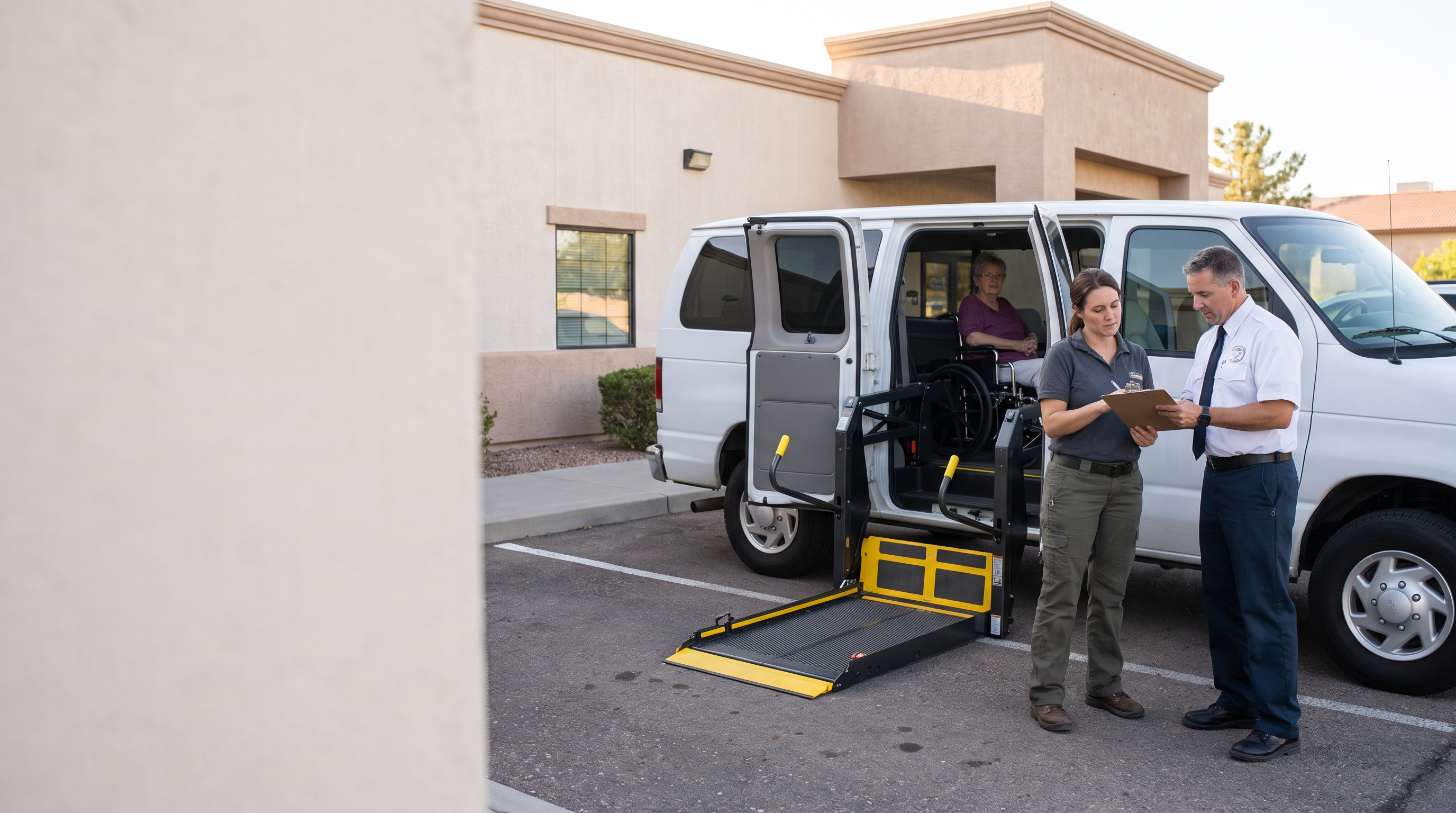 Commercial Insurance
Non-Emergency Medical Transportation Insurance: Passenger Injuries, Wheelchair Lifts, Driver Screening, Contracts & Commercial Auto Limits
Read Article → Commercial Insurance
General Contractor Insurance and Subcontractor Risk: Certificates, Additional Insured Status, Waivers of Subrogation, and Indemnity
Read Article →Get in Touch
Ready to protect what matters most? Contact us today for a no-obligation insurance review. Our experienced agents are here to help you find the right coverage for your needs.


