

Golf Course & Driving Range Insurance in Oregon: Complete 2026 Guide
Golf Course & Driving Range Insurance in Oregon: Complete 2026 Guide

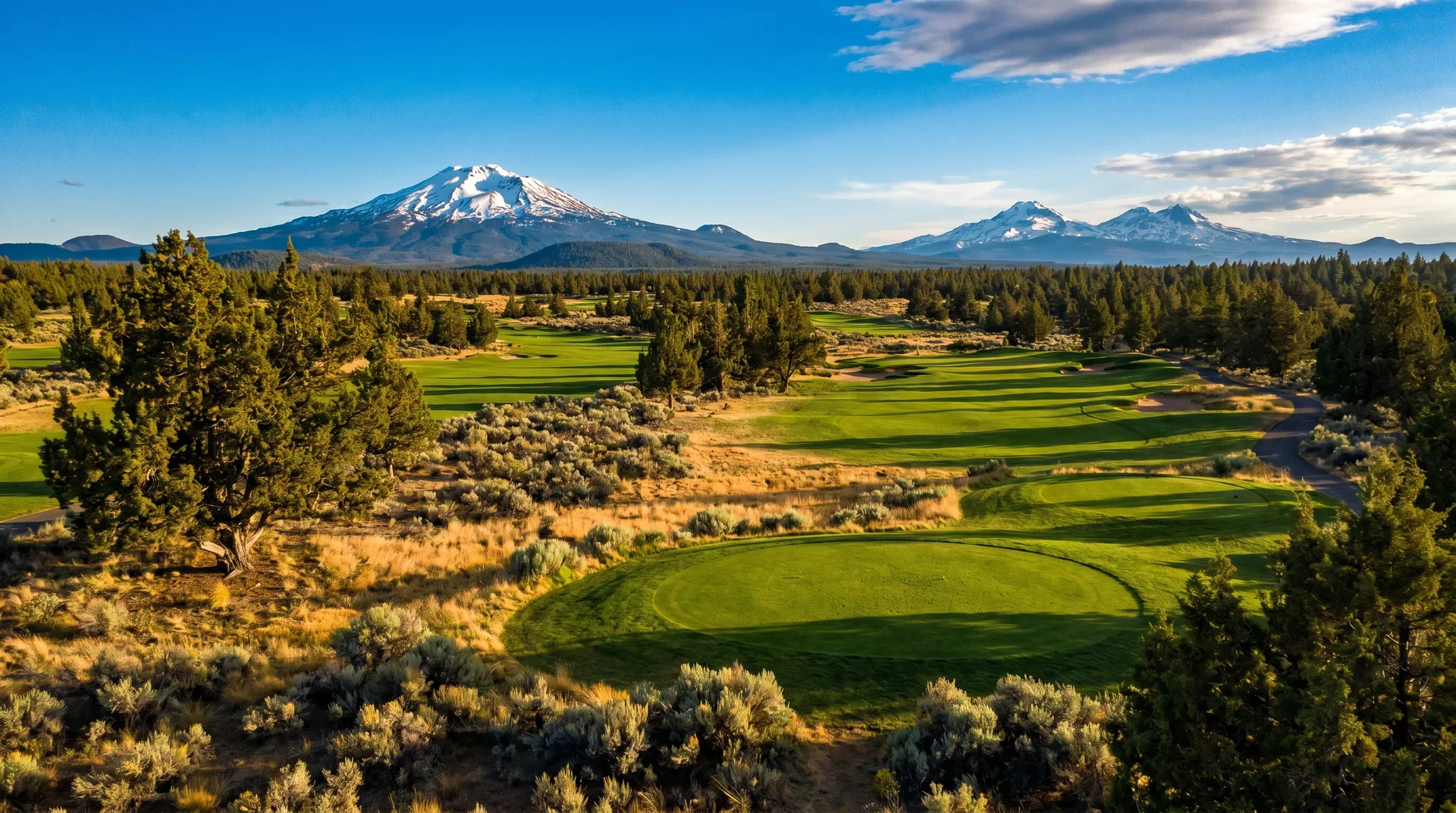
Oregon's golf industry is a significant part of the state's recreation and hospitality economy. From the world-class resort courses of Bend and the Willamette Valley to neighborhood driving ranges and executive courses across the state, golf facilities face a complex and often underappreciated set of insurance risks. A single errant golf ball causing a serious injury, a wildfire threatening your fairways, or an irrigation system failure costing $200,000 to repair can be financially devastating without the right coverage in place.
This 2026 guide covers everything Oregon golf course owners, driving range operators, and golf facility managers need to know about insurance — from the core coverages every facility needs, to Oregon-specific risks, liquor liability under state dram shop laws, event coverage for tournaments, and what to expect in terms of cost. Whether you operate a private members club, a public 18-hole course, or a standalone driving range, this guide will help you build a comprehensive insurance program that protects your investment.
Oregon Golf Courses Face Unique and Significant Liability Risks
Golf courses are among the most complex commercial operations to insure. They combine premises liability for hundreds of daily guests, projectile hazards from errant golf balls, alcohol service under Oregon's strict dram shop laws, large public events, expensive maintenance equipment, and significant property values — all on a single property. Most general commercial policies are not designed for these risks. Specialty golf facility coverage is essential.
Does Your Oregon Golf Facility Have the Right Coverage?
Insure Pacific's Oregon-licensed commercial insurance agents specialize in hospitality and recreation coverage. We'll review your current program, identify gaps, and shop 50+ carriers to find the right golf course insurance for your facility.
1. Core Insurance Coverages Every Oregon Golf Facility Needs
A comprehensive golf course insurance program is built from multiple distinct coverages, each addressing a different category of risk. Unlike a simple retail business, a golf facility has exposure in nearly every major insurance category — property, liability, auto, workers' comp, and specialty coverages. Here are the core coverages every Oregon golf operation should have in place:
General Liability Insurance
The foundation of any golf facility insurance program. Covers bodily injury and property damage claims from course operations — golfer injuries on the course, slip-and-fall incidents on cart paths and bridges, errant golf balls hitting other golfers or neighboring properties, and premises liability across the entire facility. Most lenders and lease agreements require minimum $1M per occurrence.
Commercial Property Insurance
Protects your clubhouse, pro shop, maintenance buildings, storage facilities, and all physical assets against fire, storm, theft, vandalism, and other covered perils. For Oregon courses, this should include coverage for wildfire, wind damage, and flooding — all real risks depending on your course location.
Liquor Liability Insurance
Essential for any course with a clubhouse bar, restaurant, or beverage carts. Oregon's dram shop laws allow injured parties to sue alcohol-serving establishments for damages caused by intoxicated patrons. Liquor liability is a separate coverage from general liability and must be specifically added to your program if you serve alcohol.
Workers' Compensation Insurance
Required by Oregon law for most employers. Covers medical expenses and lost wages for injured employees — groundskeepers, cart attendants, pro shop staff, food service workers, golf instructors, and maintenance crews. Golf courses have significant workers' comp exposure given the physical nature of groundskeeping work.
Equipment Breakdown Coverage
Protects irrigation systems, GPS-guided sprayers, commercial mowers, aerators, golf cart charging systems, and clubhouse HVAC and kitchen equipment from sudden mechanical or electrical failure. This coverage is critical — irrigation system replacement alone can cost $50,000–$200,000+, and standard property policies typically exclude mechanical breakdown.
Business Income Insurance
Replaces lost revenue and covers ongoing expenses if your course must close or reduce operations due to a covered property loss. For a golf course generating $1M+ in annual revenue, even a 30-day closure from a fire or major storm can represent hundreds of thousands of dollars in lost income.
2. Oregon-Specific Risks for Golf Courses and Driving Ranges
Oregon's diverse geography creates a range of location-specific risks that golf facility owners must account for in their insurance programs. A course in the Willamette Valley faces different risks than one in Central Oregon or on the coast. Understanding your location's specific risk profile is essential to building adequate coverage.
| Oregon Region | Primary Risks | Key Coverage Considerations |
|---|---|---|
| Central Oregon (Bend, Redmond, Prineville) | Wildfire, drought, high wind, freezing temperatures | Wildfire endorsement, equipment breakdown for irrigation, wind coverage |
| Willamette Valley (Portland, Salem, Eugene) | Heavy rainfall, flooding, wind damage, urban liability | Flood coverage, premises liability for high-traffic courses, event liability |
| Oregon Coast (Brookings, Coos Bay) | Salt air corrosion, high wind, coastal flooding, fog | Equipment corrosion coverage, wind/storm coverage, business income |
| Eastern Oregon (Bend, La Grande, Baker City) | Extreme temperature swings, wildfire, drought, hail | Wildfire, hail damage to turf/greens, irrigation equipment breakdown |
| Southern Oregon (Medford, Ashland, Grants Pass) | Wildfire, drought, heat damage, smoke events | Wildfire coverage, smoke damage to turf, business income for closures |
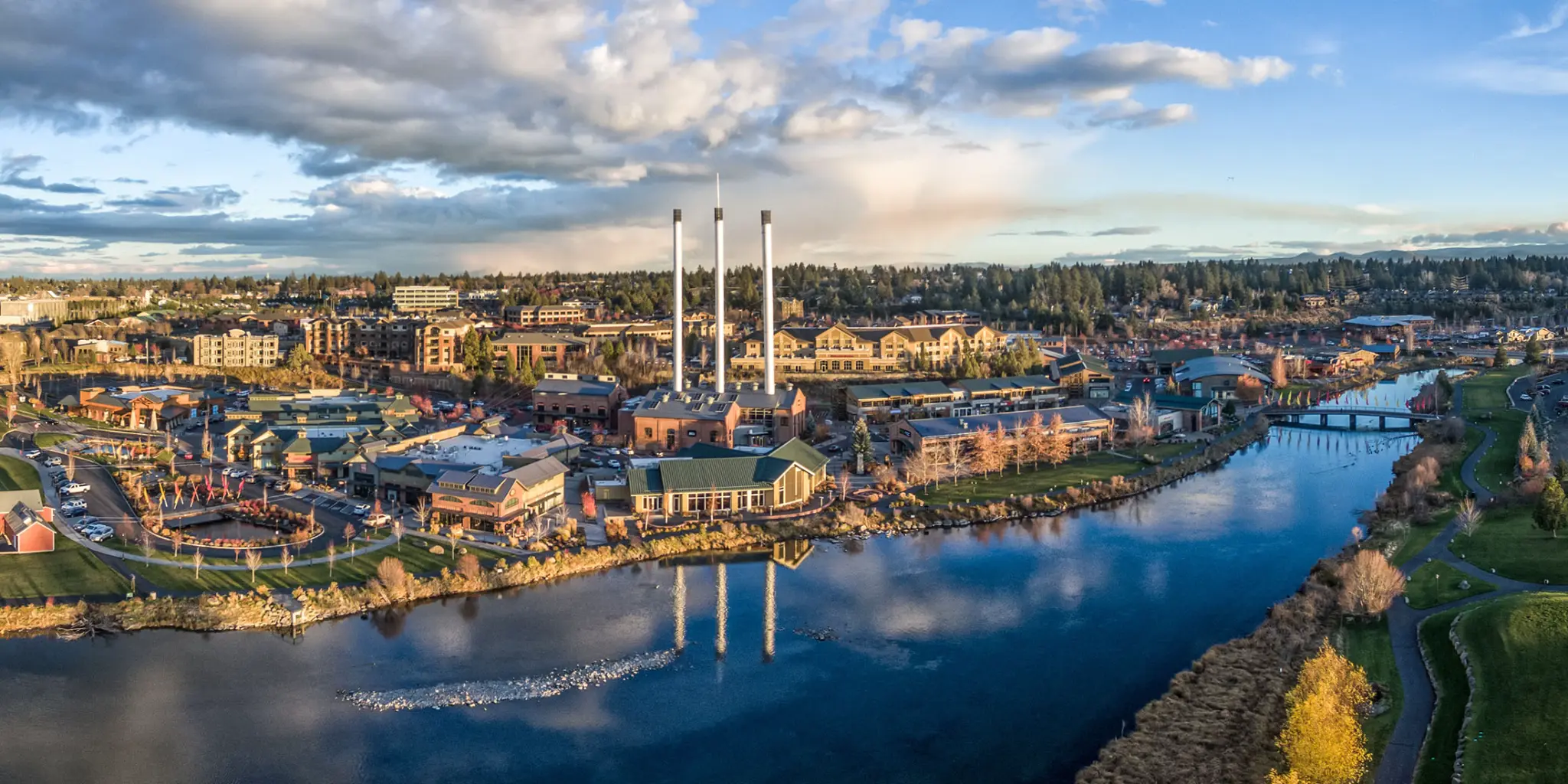
Central Oregon golf courses face particularly acute wildfire risk. Courses near forested areas in Bend, Sisters, and Sunriver are in or adjacent to Wildland-Urban Interface (WUI) zones where carriers have tightened underwriting significantly. Working with an independent agency like Insure Pacific that has relationships with carriers still writing WUI properties is essential for courses in these areas. Our fire mitigation expertise can also help reduce your risk profile and keep your premiums manageable.
3. Liquor Liability for Oregon Golf Courses: What You Need to Know
Alcohol service is a significant revenue driver for most golf courses — from the 19th hole bar to beverage carts on the course. But it also creates one of the most serious liability exposures in the golf industry. Oregon's dram shop laws (ORS 471.565) allow injured parties to sue alcohol-serving establishments for damages caused by visibly intoxicated patrons. This means that if a guest drinks at your clubhouse and later causes an accident, your course could be held liable for the resulting damages.
Oregon Dram Shop Liability: A Critical Risk for Golf Courses
Oregon's dram shop statute (ORS 471.565) imposes liability on alcohol-serving establishments when a visibly intoxicated person causes injury to a third party. For golf courses, this means your clubhouse bar, restaurant, or beverage cart operation could be held liable for a drunk driving accident caused by a patron who drank at your facility. Liquor liability insurance is separate from general liability and must be specifically added to your program. Without it, a single alcohol-related incident could result in an uninsured six- or seven-figure judgment against your course.
Liquor liability insurance for golf courses typically covers third-party bodily injury and property damage claims arising from alcohol service, legal defense costs, and settlements or judgments. It does not cover claims by the intoxicated person themselves in most cases. Limits of $1M per occurrence are standard, with many courses carrying $2M–$5M in liquor liability coverage. Pairing liquor liability with a commercial umbrella policy provides an additional layer of protection for catastrophic alcohol-related claims.
4. Equipment Breakdown Coverage: The Most Overlooked Golf Course Insurance
Equipment breakdown coverage — sometimes called boiler and machinery insurance — is one of the most important and most overlooked coverages for Oregon golf courses. Standard commercial property policies cover damage from external causes like fire, storm, and theft, but they specifically exclude losses caused by mechanical or electrical breakdown. For a golf course, this exclusion can be catastrophic.
High-Value Equipment Breakdown Exposures for Oregon Golf Courses
Irrigation Systems
$50,000–$200,000+Central irrigation controllers, pump stations, and distribution lines. Lightning strikes to irrigation systems are a leading equipment breakdown claim for Oregon golf courses.
GPS Sprayer Systems
$30,000–$80,000Computer-controlled fertilizer and pesticide application equipment. Electrical failure can destroy the entire system.
Commercial Mowers & Aerators
$15,000–$60,000 eachFairway mowers, greens mowers, rough mowers, and aerators. A fleet of 10–15 pieces of equipment represents $200,000+ in replacement value.
Golf Cart Fleet
$5,000–$15,000 per cartElectric cart charging systems and the carts themselves. A fleet of 50 carts represents $250,000–$750,000 in value.
Clubhouse HVAC & Kitchen
$20,000–$100,000+Commercial HVAC systems, walk-in coolers, kitchen equipment. Breakdown during peak season can force closure of food service operations.
Pro Shop POS & Technology
$10,000–$30,000Tee time booking systems, point-of-sale equipment, member management software. Cyber coverage may also be needed for data breach risk.
Equipment breakdown coverage is typically added as an endorsement to your commercial property policy or included in a Business Owner's Policy (BOP). For golf courses with significant equipment values, standalone equipment breakdown coverage may be more appropriate. Ask your agent to review your equipment schedule and ensure your coverage limits reflect current replacement costs — not depreciated values.
5. Driving Range Insurance: Unique Risks and Coverage Needs
Driving ranges have a distinct risk profile from full golf courses. While they share some common exposures — premises liability, workers' comp, property coverage — they also have unique risks that require specific attention. Here's what driving range operators in Oregon need to know:
Projectile Hazard
Errant golf balls leaving the range and injuring bystanders or damaging neighboring properties are a primary liability risk. Proper netting height and maintenance is critical — and your general liability policy must specifically cover this exposure. Netting failure claims can be significant.
Ball Machine & Dispenser Breakdown
Automated ball dispensers, bucket machines, and ball-washing equipment are essential to range operations. Equipment breakdown coverage protects against mechanical failure of these systems, which can cost $5,000–$20,000 to repair or replace.
Indoor Simulator Liability
Indoor golf simulators and entertainment venues have unique liability exposures — equipment malfunction, slip-and-fall in enclosed spaces, and data security for booking systems. Specialty coverage for simulator operations may be needed.
Lighting & Electrical Systems
Driving ranges with night operations depend on extensive lighting systems. Electrical failure can force closure during peak evening hours. Equipment breakdown coverage and business income insurance are both important for ranges with significant evening revenue.
Netting & Structure Coverage
Safety netting, poles, and support structures are major capital investments for driving ranges. Standard property policies may not adequately cover these structures — ensure your policy specifically includes netting and range infrastructure at replacement cost.
Cart Rental Operations
Ranges that rent golf carts, pull carts, or clubs need commercial auto coverage for owned vehicles and inland marine coverage for rented equipment. Rental equipment liability should also be specifically addressed in your general liability policy.
6. Tournament and Event Coverage for Oregon Golf Courses
Tournaments, charity golf events, corporate outings, and clubhouse events are major revenue drivers for Oregon golf courses — and major liability exposures. A standard commercial general liability policy may not adequately cover large-scale events, and some policies specifically exclude or limit coverage for events above a certain attendance threshold.
What Event Liability Coverage Provides for Golf Courses
For courses that host large tournaments or charity events, a standalone special event policy may be more appropriate than relying on your general liability policy. Insure Pacific's commercial team can help you evaluate whether your current policy adequately covers your event activity and arrange additional event coverage when needed. Pairing event coverage with a commercial umbrella policy provides maximum protection for high-attendance events.
Get a Golf Course Insurance Quote — We Shop 50+ Carriers
Insure Pacific works with specialty recreation and hospitality carriers to find the right coverage for your Oregon golf facility. Tell us about your operation and we'll build a comprehensive program at a competitive price.
Get Your Golf Course Quote7. Golf Course Insurance Costs in Oregon: 2026 Benchmarks
Golf course insurance costs vary significantly based on facility type, size, annual revenue, number of employees, alcohol service, and event activity. Here are typical cost ranges for Oregon golf operations in 2026:
| Facility Type | Annual Premium Range | Key Cost Drivers |
|---|---|---|
| Driving range (no food/alcohol) | $3,000–$6,000/year | Size, netting condition, staff count, location |
| Driving range (with food/beverage) | $5,000–$10,000/year | Liquor liability, kitchen equipment, event activity |
| 9-hole public golf course | $8,000–$20,000/year | Revenue, employees, alcohol service, equipment value |
| 18-hole public golf course | $15,000–$40,000/year | Revenue, employees, alcohol service, events, equipment |
| 18-hole private members club | $20,000–$50,000+/year | Member liability, events, alcohol, high property values |
| Golf resort / destination property | $30,000–$100,000+/year | Hotel/lodging liability, F&B, high revenue, events |
| Small BOP (golf instruction/pro shop) | $1,325–$3,000/year | Revenue, location, claims history |
*Estimates based on Oregon market conditions in 2026. Actual premiums vary significantly by carrier, facility characteristics, claims history, and coverage structure.
Oregon courses in wildfire-prone areas — particularly in Central Oregon's WUI zones — may face higher property insurance premiums or difficulty finding coverage with standard carriers. Insure Pacific's golf course insurance specialists work with carriers that still write WUI properties and can help you find coverage even in challenging locations. Our commercial property insurance cost guide provides additional context on how Oregon location affects commercial property premiums.
8. Workers' Compensation for Golf Course Employees in Oregon
Oregon law requires most employers to carry workers' compensation insurance, and golf courses are no exception. Golf facilities have significant workers' comp exposure given the physical nature of groundskeeping work — operating heavy equipment, applying chemicals, working in extreme weather, and performing repetitive physical tasks. Here are the key workers' comp considerations for Oregon golf operations:
Groundskeepers & Maintenance Crew
High RiskHighest workers' comp exposure. Risks include equipment injuries from mowers and aerators, chemical exposure from fertilizers and pesticides, heat/cold stress, and repetitive motion injuries.
Golf Cart Attendants
Medium RiskCart path slip/fall, vehicle accidents, physical strain from loading/unloading bags. Seasonal workers may require special attention in your workers' comp policy.
Pro Shop & Retail Staff
Low-Medium RiskSlip/fall on premises, repetitive motion from register work, occasional lifting of merchandise. Generally lower risk than outdoor operations.
Food Service & Bar Staff
Medium RiskKitchen injuries, slip/fall on wet surfaces, lifting injuries. Alcohol service staff also require OLCC training under Oregon law.
Golf Instructors & Pros
Low-Medium RiskRepetitive motion from demonstration, occasional student injury claims. Independent contractor status must be carefully evaluated — misclassification can create significant liability.
Seasonal & Part-Time Workers
Varies RiskOregon workers' comp requirements apply to most seasonal and part-time workers. Ensure your policy covers your full seasonal workforce, including temporary staff for tournaments and events.
Oregon's workers' comp system is administered by the Department of Consumer and Business Services (DCBS). Rates are based on employee classification codes, payroll, and your experience modification factor (EMR). A strong safety program — including proper equipment training, chemical handling protocols, and heat/cold stress policies — can significantly reduce your EMR and lower your workers' comp premiums over time. Learn more about workers' compensation insurance in Oregon.
9. Employment Practices Liability (EPLI) for Golf Course Operators
Golf courses are significant employers — often with 20–100+ employees depending on size and season. This creates meaningful exposure to employment-related claims including wrongful termination, discrimination, sexual harassment, and wage and hour violations. Employment Practices Liability Insurance (EPLI) covers legal defense costs and settlements for these claims, which are not covered by general liability or workers' compensation.
Oregon has some of the strongest employee protection laws in the country, including expanded protections against workplace discrimination, robust wage and hour requirements, and mandatory paid sick leave. Golf courses with seasonal workforces, tipped employees, and mixed full-time/part-time staff face elevated EPLI exposure. Learn more about EPLI insurance for Oregon employers.
10. Building a Complete Golf Course Insurance Program with Insure Pacific
The most common mistake Oregon golf course owners make is purchasing a generic commercial policy that doesn't account for the unique risks of their facility. A properly structured golf course insurance program requires expertise in hospitality liability, liquor liability, specialty equipment coverage, and Oregon's specific regulatory environment. Here's how Insure Pacific approaches building a complete program for Oregon golf operations:
Insure Pacific's Golf Course Insurance Approach
Facility Assessment
We review your course type, size, revenue, employee count, alcohol service, event activity, equipment values, and Oregon location to understand your complete risk profile.
Market Shopping
We shop 50+ carriers including specialty recreation and hospitality insurers — K&K Insurance, Philadelphia Insurance Companies, Markel, and others — to find the best combination of coverage and price.
Program Design
We build a comprehensive program that addresses every coverage need — GL, property, liquor liability, workers' comp, equipment breakdown, event coverage, and umbrella — with no gaps.
As an independent agency serving Oregon since 1935, Insure Pacific has the experience and carrier relationships to build comprehensive insurance programs for Oregon golf courses and driving ranges of all sizes. We serve facilities across Central Oregon, the Willamette Valley, Southern Oregon, and the Coast — and we understand the unique risks each region presents. Contact us today for a free golf course insurance review and quote.
Ready to Protect Your Oregon Golf Facility?
Insure Pacific's independent agents have the specialty expertise to build a comprehensive insurance program for your golf course or driving range. We shop 50+ carriers to find the right coverage at the right price — with no obligation.
Frequently Asked Questions: Golf Course Insurance in Oregon
What insurance does a golf course need in Oregon?
Oregon golf courses typically need general liability, commercial property, liquor liability (if alcohol is served), workers' compensation, commercial auto, equipment breakdown, and business income coverage. Courses with large events also benefit from event liability and commercial umbrella policies.
How much does golf course insurance cost in Oregon?
Golf course insurance in Oregon typically ranges from $8,000 to $50,000+ per year for a full 18-hole operation, depending on course size, annual revenue, number of employees, alcohol service, and event activity. A driving range may cost $3,000–$8,000 per year. A Business Owner's Policy (BOP) for smaller golf businesses averages around $1,325/year.
Does golf course insurance cover errant golf balls hitting neighboring properties?
General liability insurance for golf courses typically covers bodily injury and property damage claims from errant golf balls, including those that leave the property and damage neighboring homes, vehicles, or injure bystanders. Proper netting and course design can reduce both risk and premiums.
Is liquor liability required for golf courses in Oregon?
While not legally required, liquor liability is essential for any Oregon golf course serving alcohol. Oregon's dram shop laws (ORS 471.565) can hold alcohol-serving establishments liable for injuries caused by intoxicated patrons. Without liquor liability coverage, a single alcohol-related incident could result in an uninsured six- or seven-figure judgment.
Do driving ranges need the same insurance as golf courses?
Driving ranges have similar but distinct needs. Key coverages include general liability for errant ball injuries, commercial property for netting and equipment, equipment breakdown for ball machines and lighting systems, and workers' comp for staff. Ranges with food/beverage service also need liquor liability if alcohol is served.
What does equipment breakdown coverage include for golf courses?
Equipment breakdown coverage for golf courses protects irrigation systems, GPS-guided sprayers, commercial mowers, aerators, golf cart charging systems, and clubhouse HVAC and kitchen equipment from sudden mechanical or electrical failure. Irrigation system replacement alone can cost $50,000–$200,000+, making this coverage essential for any golf operation.
Related Coverage for Oregon Golf Operations
Our Licensed Coverage Area
States highlighted in blue are states where Insure Pacific holds an active insurance license.
Hover to highlight — click a state to visit its insurance page
Our Oregon Office Locations
Hover over a marker to see the office — click to visit their website.
Hover to highlight — click to visit that office's website
Ready to Get Protected?
Talk to a Local Oregon Insurance Expert
Insure Pacific has been serving Oregon families and businesses since 1935. We work with 50+ carriers so you get real options — not just one company's answer.
Related Articles
 Commercial Insurance
Has Your Business Outgrown Its Insurance? Revenue, Payroll, New Locations, and New Services
Read Article → Commercial Insurance
Buying a Commercial Building: Insurance Questions to Answer Before Closing
Read Article → Commercial Insurance
Non-Emergency Medical Transportation Insurance: Passenger Injuries, Wheelchair Lifts, Driver Screening, Contracts & Commercial Auto Limits
Read Article → Commercial Insurance
General Contractor Insurance and Subcontractor Risk: Certificates, Additional Insured Status, Waivers of Subrogation, and Indemnity
Read Article →Get in Touch
Ready to protect what matters most? Contact us today for a no-obligation insurance review. Our experienced agents are here to help you find the right coverage for your needs.