



Golf Insurance: Every Type of Coverage Your Golf Operation Needs in 2026
Golf Insurance: Every Type of Coverage Your Golf Operation Needs in 2026

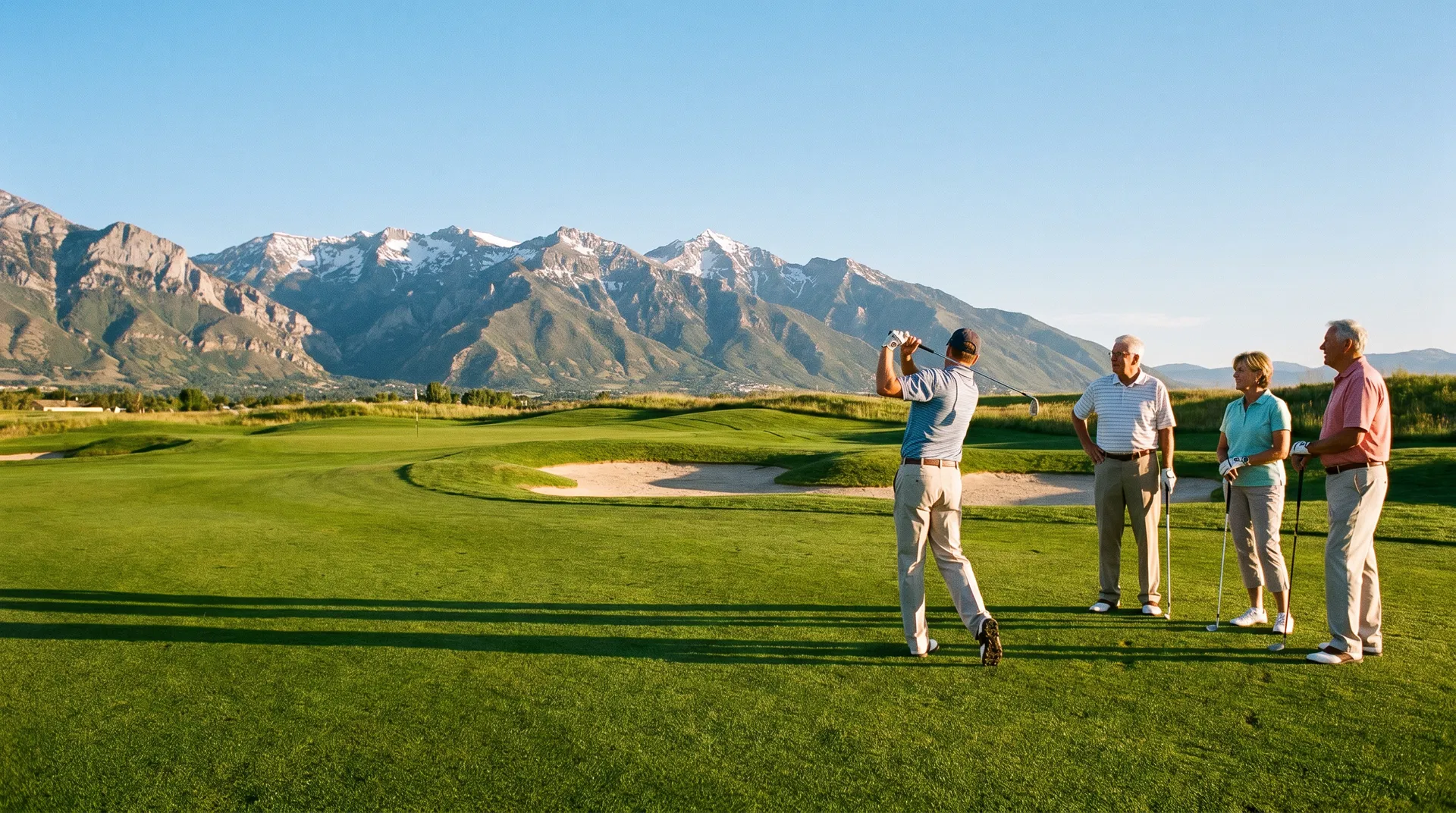
Golf is one of the most complex businesses to insure in the American West. A single golf facility can combine elements of a restaurant, a hotel, a retail store, a fleet operation, an event venue, a landscaping company, and a recreational attraction — all on the same property. Each of those functions brings its own insurance exposures, and a policy designed for a simple retail shop will leave a golf operation dangerously underinsured.
This comprehensive 2026 guide covers every type of insurance that applies to golf operations — from the foundational coverages every course needs, to specialty lines that protect against the unique risks of the golf industry. Whether you operate a public 18-hole course in Oregon, a driving range in Arizona, a private country club in Colorado, or a golf resort in Washington, this guide will help you understand what coverage you need and why. Insure Pacific is licensed in 10 Western states and works with 50+ carriers to build complete golf insurance programs.
Most Golf Operations Are Significantly Underinsured
Industry surveys consistently show that the majority of golf facilities carry inadequate insurance. The most common gaps are insufficient general liability limits, missing liquor liability, no equipment breakdown coverage for irrigation systems, and no cyber liability despite processing thousands of credit card transactions annually. A single catastrophic claim can exceed the entire value of a standard commercial policy.
Is Your Golf Operation Fully Covered?
Insure Pacific specializes in golf facility insurance across 10 Western states. Our licensed agents will review your current coverage, identify gaps, and shop 50+ carriers to build the right program for your operation.
1. General Liability Insurance — The Foundation of Every Golf Policy
General liability insurance is the cornerstone of any golf facility insurance program. It covers bodily injury and property damage claims arising from your course operations — and for a golf facility, those exposures are extensive. Golfers are struck by errant balls every day at courses across the country. Slip-and-fall accidents happen on wet cart paths, bridges, and clubhouse floors. Guests are injured in golf carts. Neighboring properties are damaged by wayward shots. General liability covers all of these scenarios, paying for medical expenses, legal defense costs, and settlements or judgments against your facility.
Most lenders, landlords, and golf associations require a minimum of $1 million per occurrence and $2 million aggregate. However, for larger facilities — especially those with significant daily traffic, tournaments, or alcohol service — limits of $2M/$4M or higher are strongly recommended. See our full guide on golf course insurance in Oregon and our American West golf insurance page for state-specific requirements.
Errant Ball Liability
Covers claims when golf balls leave the course and injure people or damage property on neighboring lots, roads, or structures. One of the most frequent claims at golf facilities.
Premises Liability
Covers slip-and-fall, trip-and-fall, and other injury claims that occur anywhere on your property — cart paths, parking lots, clubhouse, pro shop, and restrooms.
Golf Cart Accidents
Covers injuries and property damage caused by golf carts operated by guests on your property. Cart accidents are a leading source of golf course liability claims.
Products Liability
Covers claims arising from food and beverages served at your facility, or merchandise sold in your pro shop, if they cause harm to a customer.
2. Commercial Property Insurance — Protecting Your Physical Assets
A golf facility's physical assets are substantial. The clubhouse, pro shop, maintenance buildings, cart storage facilities, irrigation infrastructure, fencing, netting, signage, and equipment represent millions of dollars in value. Commercial property insurance protects these assets against fire, windstorm, hail, vandalism, theft, and other covered perils. For golf courses in wildfire-prone areas of the American West — including Oregon, California, Colorado, and Arizona — wildfire coverage is especially critical and may require a specialty carrier.
Property coverage for golf facilities typically includes the main building(s), business personal property (furniture, fixtures, pro shop inventory, food and beverage supplies), outdoor property (fencing, signage, cart paths), and sometimes the course itself (though turf and landscaping are often excluded from standard policies and require specialty coverage). Replacement cost valuation is strongly preferred over actual cash value, as it eliminates depreciation deductions that can leave you significantly short of rebuilding costs.
3. Liquor Liability Insurance — Essential for Any Course Serving Alcohol
If your golf facility serves alcohol — at the clubhouse bar, beverage cart, or during events — liquor liability insurance is not optional. Every Western state has dram shop laws that hold alcohol-serving establishments liable for damages caused by intoxicated patrons after they leave your property. A golfer who drinks at your 19th hole and then causes a serious car accident on the way home can expose your facility to a multi-million dollar lawsuit. Standard general liability policies specifically exclude liquor liability, making a separate liquor liability policy essential.
Liquor liability coverage pays for legal defense costs, settlements, and judgments in dram shop claims. It also covers claims arising from serving alcohol to minors. For golf facilities with active food and beverage operations, combined liquor liability limits of $1M–$2M are typical, with higher limits available for high-volume operations. Learn more about how Oregon dram shop laws affect golf courses and how our agents structure liquor liability programs for golf operations across the West.
4. Equipment Breakdown Insurance — Protecting Your Most Expensive Assets
Golf courses depend on complex, expensive mechanical and electrical systems that standard property insurance does not cover. Equipment breakdown insurance (also called boiler and machinery coverage) pays for the sudden mechanical or electrical failure of covered equipment — including the repair or replacement of the equipment itself, as well as business income losses while it is being repaired.
Critical Equipment Covered
Irrigation system failures are among the most costly equipment breakdown claims at golf courses. A single main line failure or pump system breakdown can cost $50,000 to $200,000 or more to repair, and can result in significant turf damage if not addressed quickly. Equipment breakdown coverage is one of the most underutilized but most valuable coverages available to golf operations.
5. Workers' Compensation Insurance — Required in Every Western State
Golf facilities employ a wide range of workers — groundskeepers, cart attendants, pro shop staff, food and beverage employees, event staff, and maintenance crews. Workers' compensation insurance is legally required for employers in all 10 states where Insure Pacific is licensed, and it covers medical expenses, lost wages, and rehabilitation costs for employees injured on the job. Golf course work involves significant physical risks: equipment operation, chemical handling (fertilizers, pesticides), repetitive motion injuries, and heat-related illness during summer months.
Workers' comp rates for golf facilities vary based on job classification, payroll, and claims history. Groundskeeping and maintenance staff typically carry higher rates than pro shop or administrative employees. Proper classification of employees is essential — misclassification is one of the most common audit findings at golf facilities and can result in significant premium adjustments. Learn more about workers' compensation insurance for businesses in the American West.
6. Commercial Auto Insurance — Covering Your Fleet of Vehicles
Most golf facilities operate a fleet of vehicles beyond golf carts — utility vehicles, maintenance trucks, tractors, and staff vehicles used on and off the property. Commercial auto insurance covers these vehicles for liability (bodily injury and property damage to others), collision (damage to your own vehicles), and comprehensive (theft, fire, weather damage). Personal auto policies do not cover vehicles used for business purposes, making commercial auto essential for any golf operation.
Note that golf carts operated exclusively on the course are typically covered under general liability, not commercial auto. However, golf carts that travel on public roads — as is common at resort communities and some golf communities — may require a separate golf cart endorsement or commercial auto coverage. This is an area where working with a specialist agent who understands golf operations is critical.
Compare Golf Insurance Rates from 50+ Carriers
As an independent agency licensed in 10 Western states, Insure Pacific shops your golf insurance across 50+ carriers to find the best coverage at the most competitive price. No obligation, response within 24 hours.
7. Commercial Umbrella Insurance — Extending Your Liability Limits
Even with strong underlying liability limits, a single catastrophic claim at a golf facility can exceed your primary coverage. A serious golf cart accident resulting in permanent disability, a dram shop lawsuit following a fatal drunk driving crash, or a mass casualty event at a tournament can generate claims in the millions. Commercial umbrella insurance provides an additional layer of liability protection — typically $1M to $10M — that sits above your general liability, commercial auto, and employers' liability policies.
For golf facilities with significant daily traffic, active food and beverage operations, or regular tournament and event hosting, a commercial umbrella is not a luxury — it is a necessity. Umbrella policies are relatively inexpensive compared to the protection they provide, often adding $1M in additional coverage for a few hundred dollars per year. Learn more about commercial umbrella insurance for businesses in the West.
8. Cyber Liability Insurance — Protecting Against Data Breaches
Modern golf facilities process thousands of credit card transactions annually through tee time booking systems, pro shop point-of-sale terminals, food and beverage systems, and event registration platforms. Many also store member personal data including names, addresses, and payment information. A data breach or ransomware attack can expose your facility to significant liability and recovery costs. Cyber liability insurance covers the costs of data breach notification, credit monitoring for affected customers, legal defense, regulatory fines, and business interruption losses from a cyber event.
Cyber attacks on small and mid-size businesses — including golf facilities — have increased dramatically in recent years. Ransomware attacks that lock your tee time booking system during peak season can cost tens of thousands of dollars in lost revenue alone. Cyber liability coverage is increasingly essential for any golf operation that processes payments or stores customer data. Learn more about cyber liability insurance for Oregon businesses.
9. Special Event Insurance — Covering Tournaments and Private Events
Golf courses regularly host tournaments, charity events, corporate outings, weddings, and private parties. These events bring elevated liability exposure — more guests, more alcohol consumption, and activities that may not be covered under your standard general liability policy. Special event insurance provides coverage for a specific event, including event cancellation/postponement due to weather or other covered causes, event liability, and liquor liability for the event.
For golf facilities that host regular events, it may be more cost-effective to add an events endorsement to your existing commercial policy rather than purchasing separate event policies. However, for very large tournaments — especially those with significant prize money, celebrity participants, or major sponsorships — a standalone special event policy with higher limits may be appropriate. Our agents can help you determine the most cost-effective approach for your event calendar.
10. Directors & Officers (D&O) Insurance — For Private Clubs and Nonprofits
Private golf clubs, country clubs, and golf associations that are governed by a board of directors face a distinct set of liability exposures. Board members can be personally sued by members, employees, or third parties for decisions made in their official capacity — including membership decisions, financial management, employment actions, and governance disputes. Directors and officers (D&O) insurance protects board members and officers from personal financial loss arising from these claims.
D&O claims at private golf clubs most commonly arise from membership disputes (denial of membership, expulsion), employment decisions (wrongful termination, discrimination), financial mismanagement allegations, and conflicts of interest. Without D&O coverage, board members can be personally liable for legal defense costs and judgments. Learn more about directors and officers insurance for Oregon organizations.
11. Employment Practices Liability (EPLI) — Protecting Against Employee Claims
Golf facilities are labor-intensive businesses with diverse workforces — seasonal employees, part-time staff, tipped workers, and full-time management. Employment practices liability insurance (EPLI) covers claims by current or former employees alleging wrongful termination, discrimination, sexual harassment, retaliation, failure to promote, and other employment-related violations. These claims are increasingly common and can be expensive to defend even when the employer prevails.
EPLI is particularly important for golf facilities that employ seasonal workers, as the hiring and termination cycles create elevated exposure. It is also critical for facilities with tipped employees, where wage and hour claims are common. Learn more about EPLI insurance for businesses in the American West.
12. Inland Marine / Floater Insurance — Covering Equipment Off-Premises
Golf facilities regularly transport expensive equipment — turf maintenance equipment, golf carts, event supplies, and pro shop merchandise — off the main property for repairs, storage, or off-site events. Standard commercial property insurance only covers property at your listed location. Inland marine insurance (also called a commercial floater) extends coverage to property in transit and at temporary locations.
For golf facilities with significant equipment values, an inland marine floater can be a cost-effective way to ensure comprehensive coverage without gaps. It is also useful for covering specialized equipment like GPS-guided sprayers and precision turf management tools that may have high replacement costs and are frequently moved around the property or taken off-site for service.
13. Business Income Insurance — Protecting Revenue During Closures
If a covered property loss — fire, severe weather, or equipment breakdown — forces your golf facility to close temporarily, business income insurance (also called business interruption insurance) replaces the revenue you lose during the closure and pays for ongoing expenses like rent, loan payments, and employee salaries. For a golf course generating $500,000 to $5 million or more in annual revenue, even a two-week closure during peak season can be financially devastating without business income coverage.
Business income coverage is typically included as part of a commercial property policy, but the coverage period and limits must be carefully set. Most golf facilities should carry at least 12 months of business income coverage, as rebuilding or repairing a clubhouse or irrigation system can take many months. Extra expense coverage — which pays for costs above normal operating expenses to speed up the return to operations — is also valuable for golf facilities.
14. Wildfire Insurance — A Critical Coverage for Western Golf Courses
Golf courses in the American West face a wildfire risk that is simply not present in most other parts of the country. Courses in Oregon, California, Colorado, Arizona, and other western states are increasingly located in or adjacent to wildland-urban interface areas where wildfire risk is high and growing. Standard commercial property policies may exclude or severely limit wildfire coverage in high-risk areas, leaving golf facilities with significant gaps.
Specialty wildfire coverage for golf courses can include protection for the clubhouse and structures, course infrastructure (irrigation systems, cart paths, bridges), equipment, and business income losses during wildfire-related closures. Insure Pacific works with specialty carriers that understand western wildfire risk and can provide comprehensive coverage even in high-risk areas. Learn more about our fire mitigation and wildfire insurance services and our American West golf insurance program.
15. Golf Course Turf and Landscaping Insurance — Protecting Your Most Visible Asset
The turf, trees, and landscaping of a golf course represent a significant investment — often millions of dollars in establishment costs and ongoing maintenance. Yet standard commercial property policies typically exclude coverage for outdoor landscaping and turf. Specialty turf and landscaping coverage can protect against losses from disease, pest infestation, drought, flood, and other perils that can devastate a course's playing surfaces.
This coverage is particularly valuable in the American West, where drought conditions, extreme heat, and water restrictions can stress turf and increase susceptibility to disease. Some specialty golf course insurers offer comprehensive turf protection as part of a package policy, while others offer it as a standalone endorsement. Our agents can help you evaluate whether turf coverage makes sense for your facility and find carriers that offer it.
2026 Golf Insurance Cost Benchmarks (American West)
| Coverage Type | Driving Range | 9-Hole Course | 18-Hole / Resort |
|---|---|---|---|
| General Liability ($1M/$2M) | $800–$2,500 | $1,500–$4,000 | $3,000–$8,000 |
| Commercial Property | $1,500–$4,000 | $3,000–$8,000 | $8,000–$25,000 |
| Liquor Liability | $500–$1,500 | $800–$2,500 | $2,000–$6,000 |
| Equipment Breakdown | $300–$800 | $600–$1,500 | $1,500–$4,000 |
| Workers' Compensation | $1,000–$3,000 | $2,000–$6,000 | $5,000–$15,000 |
| Commercial Auto | $500–$1,500 | $1,000–$3,000 | $2,500–$8,000 |
| Cyber Liability | $300–$800 | $500–$1,500 | $1,000–$3,000 |
| Umbrella ($1M) | $300–$700 | $500–$1,200 | $1,000–$2,500 |
| EPLI | $500–$1,500 | $800–$2,500 | $2,000–$6,000 |
| Total Estimated Range | $5,700–$16,300 | $10,700–$30,200 | $26,000–$77,500 |
* Estimates only. Actual premiums depend on location, revenue, claims history, coverage limits, and carrier. Contact Insure Pacific for a specific quote.
16. State-Specific Considerations for Western Golf Operations
Golf insurance requirements and risk profiles vary significantly across the 10 Western states where Insure Pacific is licensed. Understanding the specific regulatory environment and risk landscape of your state is essential to building a complete insurance program.
Oregon
Strict dram shop liability. Wildfire risk in eastern and southern Oregon. High irrigation water costs. Workers' comp administered by SAIF or private carriers.
Washington
High rainfall creates slip-and-fall exposure. Strong labor laws increase EPLI risk. Workers' comp administered by L&I (state fund) with private carrier option.
California
Highest wildfire risk in the nation. Strict employment laws create significant EPLI exposure. High property values increase replacement cost requirements.
Arizona
Extreme heat creates equipment stress and turf risk. Monsoon flooding can damage course infrastructure. Desert courses face unique irrigation dependency.
Colorado
Hail is a major property risk. High altitude UV exposure affects turf and equipment. Wildfire risk in mountain and foothills courses.
Nevada
Extreme heat and water scarcity create turf and irrigation risk. Gaming-adjacent courses may face unique liability exposures.
Idaho
Wildfire risk in southern and central Idaho. Significant seasonal temperature swings affect equipment and turf.
Utah
High UV exposure and drought conditions. Water rights issues can affect irrigation. Wildfire risk in southern Utah.
Texas
Severe weather including hail, tornado, and flooding. High liability litigation environment. Large course footprints increase property values.
South Dakota
Extreme weather including hail, wind, and winter storms. Shorter golf season affects revenue and workers' comp classification.
For a comprehensive overview of golf insurance across all 10 states, visit our Golf Insurance — American West page, which includes state-by-state risk profiles and coverage guidance.
Frequently Asked Questions About Golf Insurance
What is the most important type of insurance for a golf course?
General liability is the foundation, but no single coverage is sufficient on its own. A complete golf course insurance program requires general liability, commercial property, equipment breakdown, workers' compensation, and — if alcohol is served — liquor liability. Missing any of these creates a significant gap that could be financially devastating.
Does my general liability policy cover errant golf balls that hit neighboring properties?
Standard general liability policies cover errant ball claims, but limits and exclusions vary. Some policies exclude claims from balls that leave the course entirely, or cap coverage for property damage to neighboring structures. It's important to review your policy language carefully and work with an agent who understands golf-specific liability.
Do I need separate insurance for golf tournaments I host?
If you host regular tournaments, your standard commercial policy may cover them with proper notification to your insurer. However, large tournaments — especially those with significant prize money, celebrity participants, or major sponsorships — may require a special event endorsement or standalone event policy. Hole-in-one prize insurance is also available for tournaments offering large prizes.
What is hole-in-one insurance?
Hole-in-one insurance (also called prize indemnification insurance) covers the cost of prizes offered for a hole-in-one at a tournament — such as a car, cash, or vacation. If a participant makes a hole-in-one and wins the prize, the insurer reimburses the tournament organizer. This coverage is inexpensive relative to the prize value and is commonly used at charity and corporate golf events.
How does wildfire insurance work for golf courses in the American West?
Standard commercial property policies may exclude or limit wildfire coverage in high-risk areas of the West. Specialty wildfire coverage for golf courses can be obtained through surplus lines carriers and specialty insurers. Coverage typically includes structures, infrastructure, equipment, and business income losses during wildfire-related closures. Defensible space and fire mitigation measures can help reduce premiums.
Is cyber insurance really necessary for a golf course?
Yes, increasingly so. Golf courses process thousands of credit card transactions annually through tee time booking, pro shop, and food and beverage systems. A data breach or ransomware attack can cost tens of thousands of dollars in notification costs, credit monitoring, legal defense, and lost revenue. Cyber insurance is now considered a standard coverage for any business that processes payments or stores customer data.
What is the difference between a BOP and a custom golf course policy?
A Business Owners Policy (BOP) combines general liability and commercial property in a single package, and is designed for small, low-risk businesses. Most golf facilities are too complex and high-risk to qualify for a standard BOP. A custom golf course policy is built from individual coverages tailored to the specific risks of your facility — including liquor liability, equipment breakdown, and specialty coverages that a BOP does not include.
Golf Insurance Across the American West — Get Your Quote Today
Insure Pacific is licensed in Oregon, Washington, California, Arizona, Colorado, Nevada, Idaho, Utah, Texas, and South Dakota. Our independent agents work with 50+ carriers to build comprehensive golf insurance programs for courses, driving ranges, private clubs, and golf resorts of all sizes. No obligation. Response within 24 hours. Serving the golf industry since 1935.
Related Golf & Commercial Insurance Resources
Our Licensed Coverage Area
States highlighted in blue are states where Insure Pacific holds an active insurance license.
Hover to highlight — click a state to visit its insurance page
Our Oregon Office Locations
Hover over a marker to see the office — click to visit their website.
Hover to highlight — click to visit that office's website
Ready to Get Protected?
Talk to a Local Oregon Insurance Expert
Insure Pacific has been serving Oregon families and businesses since 1935. We work with 50+ carriers so you get real options — not just one company's answer.
Related Articles
 Commercial Insurance
Buying a Commercial Building: Insurance Questions to Answer Before Closing
Read Article → Commercial Insurance
Non-Emergency Medical Transportation Insurance: Passenger Injuries, Wheelchair Lifts, Driver Screening, Contracts & Commercial Auto Limits
Read Article → Commercial Insurance
General Contractor Insurance and Subcontractor Risk: Certificates, Additional Insured Status, Waivers of Subrogation, and Indemnity
Read Article → Commercial Insurance
Pickleball and Padel Club Insurance: Court Injuries, Leagues, Instructors, Alcohol, and Facility Liability
Read Article →Get in Touch
Ready to protect what matters most? Contact us today for a no-obligation insurance review. Our experienced agents are here to help you find the right coverage for your needs.


