



HOA Insurance in Oregon: A Board Guide to Master Policies, Deductibles & D&O Coverage
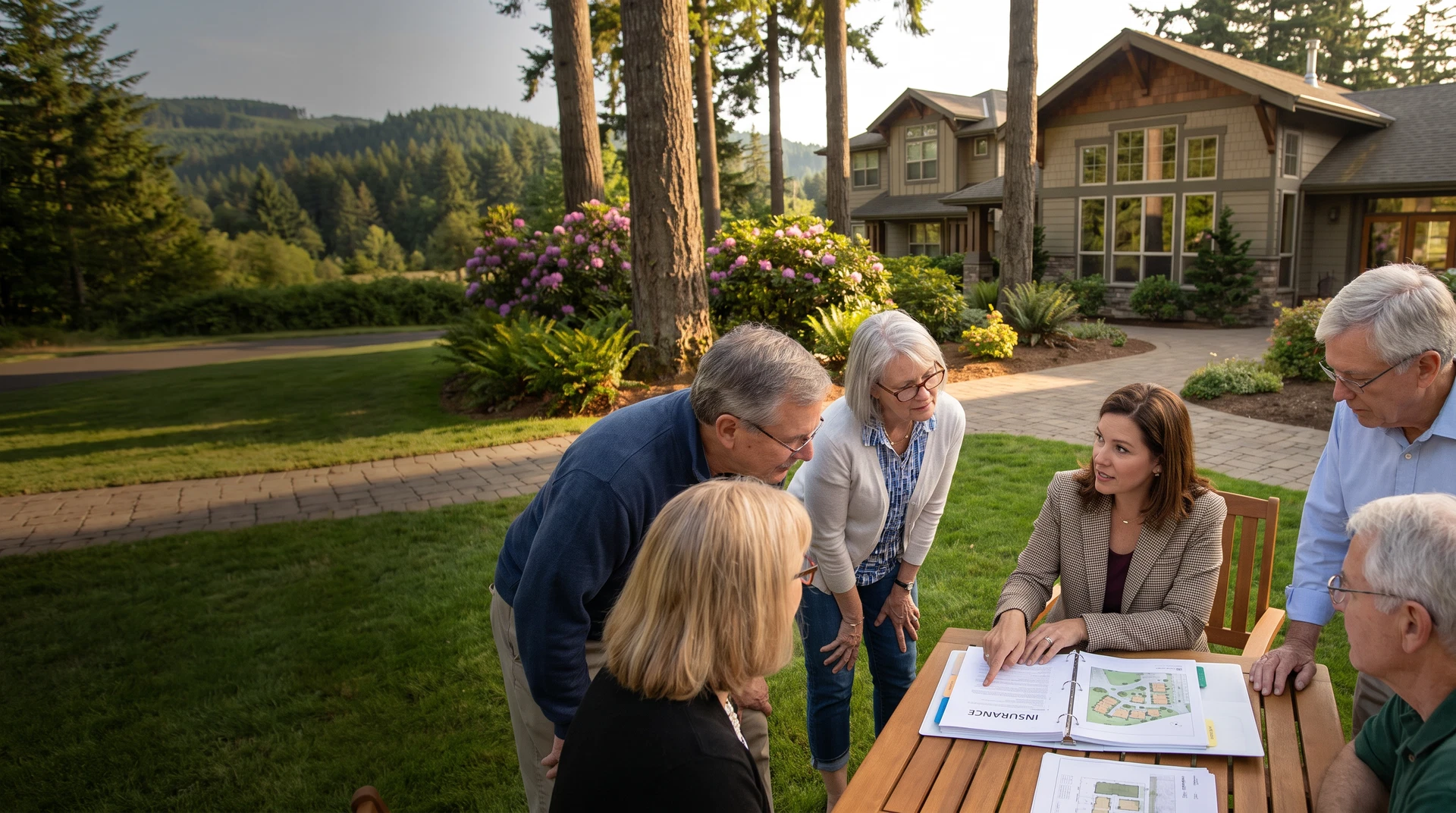
HOA Insurance in Oregon: A Board Guide to Master Policies, Deductibles & D&O Coverage

An HOA insurance program is not simply a homeowners policy for a neighborhood. It is a business-style insurance conversation for common property, board decisions, contracts, vendors, residents, and often substantial deductibles. For Oregon community associations, the useful starting point is to map the association’s obligations under its declaration and bylaws, then compare those obligations with the master policy, reserve planning, maintenance program, and unit-owner responsibilities. An independent commercial property insurance review can help the board ask better questions before renewal, a major repair, or a loss.
What HOA insurance is designed to protect
An association may own or maintain common elements such as roofs, exterior walls, clubhouses, parking areas, private roads, pools, landscaping, gates, shared mechanical systems, or recreation facilities. A community-association program can combine property coverage for those assets with liability, management liability, employee dishonesty, ordinance-or-law, and other options depending on the association and its policy.1
The key distinction is between what the association insures and what individual owners insure. A condo master policy commonly addresses common areas and building structure, while an owner may still need unit-interior, personal-property, liability, and loss-assessment protection through a personal condo policy. Governing documents—not an assumption—determine where the association’s obligation ends and the owner’s begins.2
That distinction should be written in plain language for owners, new board members, and property managers. A community can use a simple responsibility matrix that identifies common elements, limited common elements, building components, unit interiors, betterments, landscaping, detached structures, and personal property. The matrix should cite the declaration, not replace it. Clear communication does not change the documents or the policy, but it can reduce the confusion that often follows a water loss, storm event, or large deductible.
The master property policy: values, scope, and deductibles
Property coverage is a foundation, but the right limit is not a figure to set and forget. Construction pricing, roofing, electrical systems, site amenities, and code upgrades can change replacement costs materially. For applicable project developments, Fannie Mae’s guide discusses master coverage for common elements and residential structures, replacement-cost sufficiency, ordinance-or-law requirements, and certain equipment-breakdown requirements.3
Boards should ask what property is scheduled, whether limits reflect current replacement values, which perils are subject to special deductibles, and whether a policy’s valuation method applies after a partial loss. Oregon associations should also discuss wildfire, wind, water intrusion, freezing, sewer backup, and roof conditions in light of the property’s location, age, maintenance history, and carrier requirements. Pair that review with a current umbrella liability conversation when common areas, events, or higher-risk activities create more severe liability potential.
High deductibles deserve their own board discussion. A master-policy deductible can become an assessment issue, a budgeting issue, and a resident-communication issue at the same time. Fannie Mae’s current guide sets maximum deductible parameters for certain eligible projects, but every association should review its own legal documents, carrier terms, lender considerations, and local market conditions with qualified professionals.3
Deductibles, reserves, and the difficult funding conversation
A deductible is not a theoretical line on a declarations page. It is the amount the association may need to fund before insurance responds, and it can change over time as insurer appetite, wildfire exposure, roof age, prior losses, and reinsurance costs change. Boards should request a deductible schedule that separates all-other-peril, wind, water, earthquake, wildfire, or other special deductibles where applicable. A single number in a renewal summary may hide a material difference in how a loss is funded.
The board should then compare the largest likely deductible with operating cash, reserve balances, borrowing options, governing-document assessment authority, and owner communication plans. This is not legal advice and it is not a prediction that an assessment will occur. It is disciplined financial planning. A reserve study and an insurance review answer different questions, but they should inform each other: one considers anticipated capital needs, while the other identifies the amount and conditions under which a sudden insured event may still create a near-term cash need.
Before renewal, put the deductible scenario in the minutes. Record the options considered, the chosen retention, whether higher deductible alternatives were modeled, and how the association expects to communicate with owners after a covered event. This documentation can support good governance and help future directors understand why a decision was made.
Claims readiness: the first 72 hours matter
An HOA cannot control when a pipe breaks, a tree falls, or smoke enters a building, but it can establish an orderly response before the event. A practical claims file should include current carrier and agent contacts, a 24-hour emergency vendor list, property-manager escalation procedures, a board spokesperson, access instructions for gates or utility rooms, building plans if available, photos of key common areas, and a current owner-contact list. Store sensitive information securely and make sure at least two authorized people can access it.
After an incident, the association should protect people and property, document conditions, take reasonable emergency measures, preserve receipts, notify the carrier or agent promptly, and avoid making coverage promises to residents. The board should distinguish emergency mitigation from permanent repair authorization and should follow the policy, governing documents, and professional advice. For a complex property loss, establish a claim log that records dates, contractors, invoices, adjuster contacts, board decisions, owner notices, and open questions. A consistent record can be as valuable as a fast first phone call.
Water losses deserve a special discussion because responsibility can be fact-specific. The source, path of water, damaged components, maintenance history, policy language, and governing documents can all matter. A board should avoid assuming that every interior repair is either entirely an owner issue or entirely an association issue. Ask the adjuster, manager, counsel, and agent the right questions before communicating a final position.
Directors and officers liability: protecting the board’s decisions
Board members are volunteers in many communities, but the decisions they make can still lead to allegations involving governance, conflicts, enforcement, budgeting, meetings, contracts, or perceived failure to perform duties. Management liability or D&O coverage is designed to address allegations of wrongful acts and defense costs, subject to the policy’s terms and exclusions.4
The goal is not to make a board fear every decision. It is to help the association establish a repeatable process: use written meeting minutes, document vendor selection, follow the governing documents, preserve records, disclose conflicts, and review the D&O policy’s insured persons, retention, defense provisions, and exclusions. Associations with staff or contractors should also review employment-practices liability and contractual-risk questions alongside D&O.
Governance, recordkeeping, and board transitions
The strongest insurance program cannot substitute for basic board process. Directors should use agendas, meeting minutes, written votes where permitted, conflict disclosures, and a document-retention practice appropriate for the association. Keep the signed policy, endorsements, renewal comparisons, certificates, loss runs, reserve study, current vendor agreements, and major correspondence in an organized location. When a new director joins the board, provide a short orientation package that explains the governing documents, upcoming renewal timeline, outstanding claims, key contracts, deductibles, and decision-making authority.
Board transitions are a good time to revisit D&O and crime coverage. Ask whether former directors, committee members, volunteers, the management company, and the association itself are addressed as intended by the policy. Ask how defense costs are handled, whether there is a retention, and whether important exclusions are understood. Coverage language varies, so the question is not whether a label such as “D&O” appears on a proposal; it is whether the actual policy matches the association’s governance structure and exposure.
Liability, crime, cyber, and vendors
Common areas create ordinary but important premises-liability exposures. A resident or visitor can be injured on a walkway, in a clubhouse, at a pool, or during a community event. General liability insurance is part of the discussion, but the board should also understand certificates of insurance, additional-insured requirements, indemnity clauses, and waiver language in contracts with landscapers, snow-removal vendors, property managers, security companies, and event providers.
Financial controls are equally important. Associations collect dues, hold reserves, authorize payments, and may rely on a manager or outside bookkeeper. Crime or fidelity coverage can be a meaningful consideration for dishonest-act losses, while dual approvals, bank alerts, account reconciliation, and board oversight reduce the likelihood of preventable loss. If the association stores owner contact information, payment details, gate-access data, or records online, add cyber insurance and incident-response questions to the renewal agenda.
Vendors, certificates, and contractual risk
Most associations rely on vendors: property managers, landscapers, roofers, snow-removal crews, pool-service providers, restoration companies, security companies, attorneys, accountants, and maintenance contractors. A certificate of insurance is useful evidence of a policy at a point in time, but it is not the contract itself and does not amend the vendor’s coverage. The board should work with counsel and its insurance adviser to establish practical contract requirements for the services being performed.
For higher-hazard work, ask whether the contract addresses general liability limits, commercial auto, workers’ compensation, additional-insured status where appropriate, primary-and-noncontributory wording if required, waiver-of-subrogation terms, hold-harmless language, and notice of cancellation provisions. The correct requirements depend on the work and contract. A small landscaping task does not carry the same risk as roof work, tree removal, excavation, or a major capital project. For construction or large repairs, a separate builders risk review may be appropriate before materials arrive or work begins.
Independent Insurance Agency Since 1935
Not Sure If You Have the Right Coverage?
Our licensed agents compare 50+ carriers to find you the best coverage at the right price — at no extra cost to you.
Common-area operations and seasonal risk planning
Insurance renewal should not be the only annual risk conversation. A seasonal calendar keeps maintenance, safety, and insurance information together. In spring, inspect drainage, trees, walkways, decks, roofs, and irrigation. Before summer events, review pool rules, venue layouts, alcohol policies, vendor certificates, and any need for special-event liability. In fall, clean gutters, evaluate wildfire defensible space where relevant, inspect exterior lighting, and prepare for freezing weather. In winter, confirm snow and ice procedures, emergency access, water-shutoff information, and vendor availability.
Oregon communities can face different exposures even within the same county. A coastal association may focus on wind-driven rain and moisture; a Central Oregon community may prioritize wildfire, freeze, roof load, and water systems; an urban condominium may focus on water intrusion, elevators, parking structures, cyber records, and service contracts. The board does not need a separate policy for every concern. It needs a renewal discussion that starts with the property’s actual operations and maintenance profile.
Loss assessments and owner communication
Owners often learn about loss assessments only after a serious loss or a large deductible. A board can be more proactive. Explain at least annually that the association master policy and an owner policy serve different purposes, that coverage boundaries come from policy terms and governing documents, and that an owner may wish to ask their personal agent about unit improvements, personal property, personal liability, and loss-assessment coverage.
Do not tell an owner that their policy will respond. Instead, provide a factual notice describing the association loss, the known master-policy deductible, the next update date, and the documents or information owners may need to provide to their own insurer. Clear, consistent notices can reduce rumors and help residents make timely decisions. They also demonstrate that the board is managing communication as carefully as property repairs.
A practical annual HOA insurance checklist
Before the next renewal, gather the declaration and bylaws, property schedule, reserve study, current replacement-cost information, roof and system updates, five-year loss history, vendor contracts, payroll or volunteer records, and current certificates of insurance. Discuss the association’s biggest deductible and how it would be funded. Confirm who is responsible for interiors, betterments, and loss assessments. Then ask an independent agent to compare coverage options and carrier requirements against the association’s current operations.
Use this renewal checklist as a working meeting agenda:
| Review area | Questions for the board and agent |
|---|---|
| Property values | Are buildings, common elements, amenities, and code-upgrade values current? |
| Deductibles | Which deductibles apply, how could each be funded, and how will owners be notified? |
| Loss history | What did prior claims reveal about maintenance, documentation, or vendor controls? |
| Governance | Are directors, committees, management, and employment-related exposures addressed? |
| Money movement | Are crime limits, bank controls, payment approvals, and reserves appropriate? |
| Vendors | Are contracts, certificates, and project-specific risk transfer requirements current? |
| Digital records | What owner, access, payment, or vendor data is held, and what is the response plan? |
| Resident communication | Does the association have a clear master-policy and loss-assessment explanation? |
For associations that own vehicles, maintain work carts, or transport staff and materials, review commercial auto coverage. If the association employs maintenance staff, a workers’ compensation review should be part of the same annual planning cycle. These conversations are most effective before a claim, not after one.
Need an HOA insurance review for your Oregon community?
Insure Pacific can help HOA and condo association boards compare carrier options and clarify the questions their program should answer. Request an HOA insurance quote before renewal, a major property project, or a board transition. You can also contact our team to start a coverage review. Coverage, eligibility, exclusions, limits, deductibles, and claim outcomes depend on the actual policy and the facts of a loss.
References
[1] State Farm — Insurance for Business Condominiums and Residential Associations
[2] Allstate — What’s Covered by a Condo Association’s Insurance Policy?
[3] Fannie Mae — Master Property Insurance Requirements for Project Developments
Our Licensed Coverage Area
States highlighted in blue are states where Insure Pacific holds an active insurance license.
Hover to highlight — click a state to visit its insurance page
Our Oregon Office Locations
Hover over a marker to see the office — click to visit their website.
Hover to highlight — click to visit that office's website
Ready to Get Protected?
Talk to a Local Oregon Insurance Expert
Insure Pacific has been serving Oregon families and businesses since 1935. We work with 50+ carriers so you get real options — not just one company's answer.
Related Articles
 Commercial Insurance
Buying a Commercial Building: Insurance Questions to Answer Before Closing
Read Article →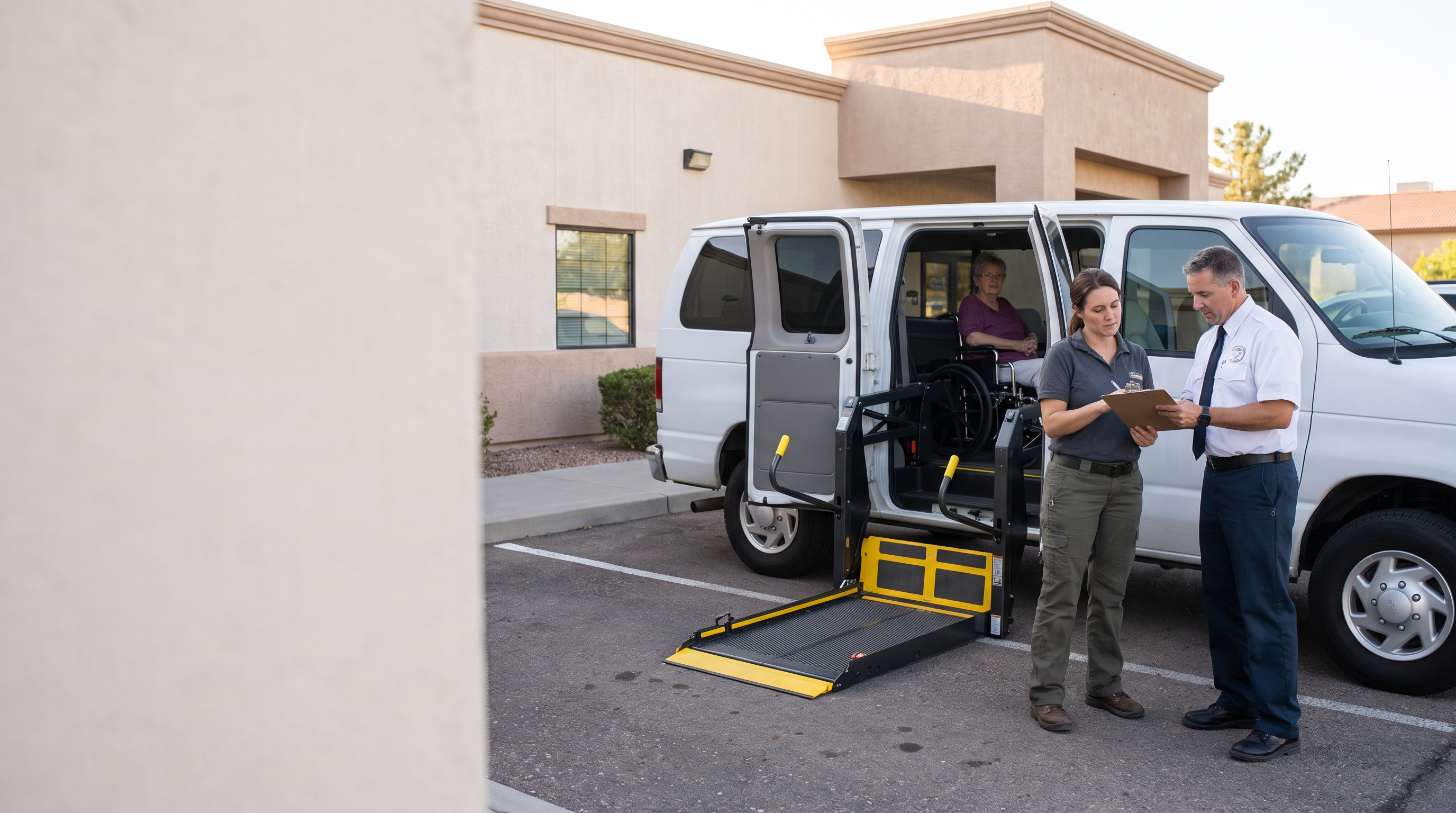 Commercial Insurance
Non-Emergency Medical Transportation Insurance: Passenger Injuries, Wheelchair Lifts, Driver Screening, Contracts & Commercial Auto Limits
Read Article → Commercial Insurance
General Contractor Insurance and Subcontractor Risk: Certificates, Additional Insured Status, Waivers of Subrogation, and Indemnity
Read Article → Commercial Insurance
Pickleball and Padel Club Insurance: Court Injuries, Leagues, Instructors, Alcohol, and Facility Liability
Read Article →Get in Touch
Ready to protect what matters most? Contact us today for a no-obligation insurance review. Our experienced agents are here to help you find the right coverage for your needs.


