



Outdoor Event Insurance in the American West: Wildfire Smoke, Heat, Wind, Lightning, Cancellation, and Evacuation
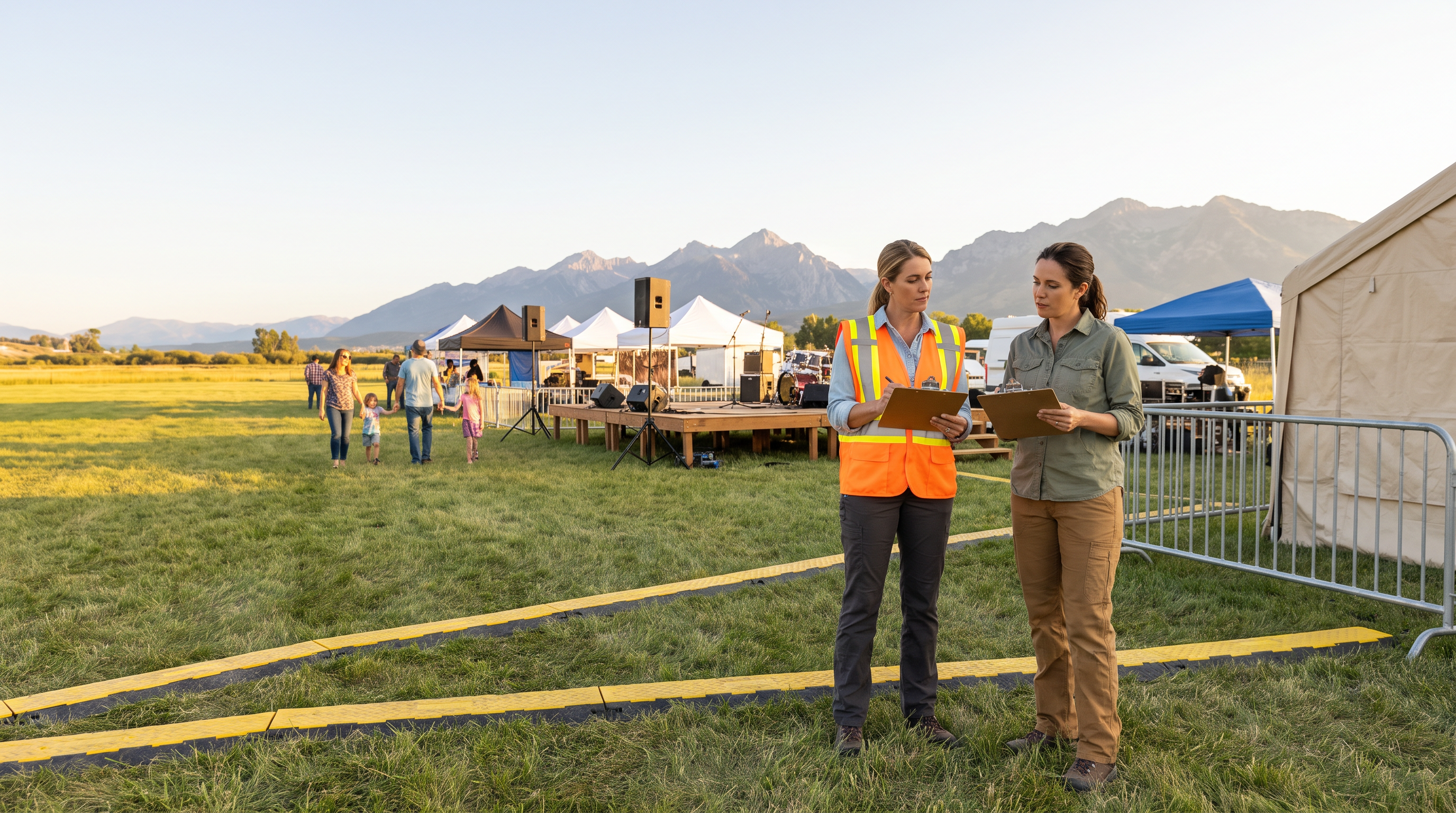
Outdoor Event Insurance in the American West: Wildfire Smoke, Heat, Wind, Lightning, Cancellation, and Evacuation

An outdoor event in the American West can be a community celebration, a fundraiser, a concert, a farmers market, a race, a fair, a food festival, a rodeo, a wedding, an expo, or a company gathering. It can also be a short-term business operation with people, equipment, contracts, ticket revenue, vendors, volunteers, temporary structures, food, alcohol, weather exposure and a narrow window to make good decisions. The planning challenge is not simply buying a policy called “event insurance.” It is understanding who is organizing the event, what is being promised, what property is at risk, what conditions would force a pause or evacuation, and which insurance questions belong in the plan before attendees arrive.
This guide is for organizers and venue teams across Oregon, Washington, Idaho, California, Nevada, Arizona, Utah, Colorado, Texas and South Dakota. It is educational information, not a coverage determination, legal advice, safety certification, medical advice, permit advice or a promise that a claim will be paid. Actual coverage, eligibility and claim handling depend on the issued policy, declarations, schedules, endorsements, exclusions, limits, deductibles, named insureds, contracts, event facts and applicable law.
For a broader starting point, see Insure Pacific’s Oregon event insurance overview. Then build an event-specific file: the venue agreement, site map, event schedule, weather thresholds, vendor list, certificates, temporary-equipment schedule, emergency contacts, parking and traffic plan, attendee communications and cancellation terms. That operating file will make the insurance discussion more accurate and improve the team’s ability to respond when conditions change.
The quick answer: outdoor-event insurance is a coordinated program, not a weather app
A reliable forecast is important, but it does not decide what a policy covers. A certificate of insurance is important, but it does not replace the underlying contract or policy. A waiver may help describe participant expectations, but it does not eliminate the possibility of a claim. Outdoor-event planning works best when operations, contracts and insurance are reviewed together.
A wind event may affect tents, stages, fencing, rented sound equipment, traffic control and the ability to keep the venue open. Wildfire smoke may create public-health, worker, vendor, air-filtration, postponement and communication issues. A lightning alert may require a rapid decision to stop activity and direct people to safer locations. A serious incident may involve general liability, liquor liability, property damage, hired equipment, participants’ medical needs, volunteer activity, public safety, a vendor’s work and lost event income at the same time.
| Event exposure | Insurance or contract question to raise | Operational record that still matters |
|---|---|---|
| Heat, wind, lightning, smoke or flood | What specific event, expense, cancellation, postponement or extra-expense terms apply? | Written thresholds, weather liaison, monitoring records and attendee communications. |
| Venue, tents, stage, fencing and rented equipment | Who owns it, who is responsible for damage, and what must be scheduled or endorsed? | Site plan, vendor agreements, inventory, condition photos and invoices. |
| Attendee, volunteer and participant injuries | Which entity is insured, what activities are declared, and what liability limits are required? | Incident reports, staffing plan, training, waivers and witness information. |
| Food, beverage and alcohol service | Which party is serving, licensed and contractually responsible? | Vendor certificates, permits, service controls and written agreements. |
| Cancellation or interruption | What happens to deposits, ticket refunds, nonrefundable costs and ongoing payroll? | Ticket terms, vendor deposits, revenue history, expense ledger and cancellation notice. |
| Emergency evacuation or sheltering | Who can activate the plan, how are people alerted, and where do they go? | EAP, site maps, radio/PA plan, accessibility plan and responder contacts. |
No article can tell an organizer whether a particular cancellation, smoke condition, wind loss, medical event or lawsuit is insured. That depends on the policy and facts. The value of a pre-event conversation is that it identifies the questions before an organizer is deciding between evacuation, postponement, closure or a claim notice in real time.
Start with the event as it will actually operate
A one-day street fair, a three-day music festival and an outdoor nonprofit auction might all be described as “special events,” but their insurance questions can be very different. Begin with the actual event rather than a generic event category. List every organizer and legal entity; host venue and landowner; city, county, fairground or public-land agency; date and hours; expected attendance; ticketing and refund terms; alcohol service; food vendors; exhibitors; bands, speakers or instructors; employees; independent contractors; volunteers; sponsors; vehicles; drones; security; medical staff; temporary structures; rented equipment; camping or overnight activity; and any activity that increases participant risk.
An event planner insurance review should distinguish the planner’s professional role from the event organizer’s operational liability and from a venue’s property exposure. A planner who books vendors, advises on logistics, handles attendee information or makes representations to a client may have different risk questions from a nonprofit that owns the event, a promoter that sells tickets, or a landowner that rents a field.
Do not overlook a mission-driven or community event just because volunteers are central. A fundraiser, gala, community concert, youth activity or charitable run can involve directors and officers, volunteers, donated property, participant claims, privacy questions and contractual commitments. When a charitable organization is the event owner, incorporate the event into the organization’s broader nonprofit and events insurance conversation instead of assuming a single day-of-event policy fills every gap.
The organizer, the venue and the vendor may each need their own answers
The party that controls the schedule or advertises the event is not always the party that owns the land, hires every worker or supplies the equipment. A venue agreement may require the organizer to carry liability limits, name the venue as an additional insured, obtain a waiver of subrogation, meet deductible requirements, protect rented property or provide a certificate by a particular date. Vendors may be expected to supply their own coverage, but the event organizer still has to decide which vendors, activities and limits require review.
A certificate of insurance is evidence that a policy existed on the date issued; it is not the policy itself and does not amend coverage. Read the contract first, then request certificates and endorsements that match the contract’s requirements. Discuss indemnity, hold-harmless language, additional-insured requirements, cancellation terms, equipment responsibility, damage deposits, participant releases, vendor obligations and notice provisions with qualified legal and insurance advisers. A contract can create an obligation without creating coverage under a policy.
Wildfire smoke is an event-continuity problem before it becomes an insurance question
Wildfire smoke can be visible, unpredictable and disruptive even when a fire is far from the event site. For an outdoor organizer, smoke planning is about more than deciding whether the sky looks hazy. It affects attendees, performers, food vendors, workers and volunteers, particularly children, older adults, people with heart or lung conditions, pregnant people and others who may be more sensitive to poor air quality.
The U.S. Environmental Protection Agency’s 2026 wildfire-smoke guide recommends protective messaging such as reducing outdoor activity, filtering indoor air and identifying cleaner-air spaces. It notes that prolonged smoke events create special concerns for outdoor workers and that roles, responsibilities and communication lines should be established before a smoke event. For an event, that means the plan should identify the decision-maker, the air-quality information the team will use, a communications sequence, alternate indoor or cleaner-air areas when available, cancellation or postponement authority, and how the team will coordinate with venue management and local public-safety partners.
An event weather plan is not a substitute for a property and wildfire review. If a venue, staging yard, equipment store or temporary operations base has physical wildfire exposure, discuss it with the appropriate property and wildfire insurance contacts. If the event team is considering defensible-space measures, remote monitoring, site hardening or wildfire-response technology for a recurring venue, Insure Pacific’s wildfire protection technology page can help frame an initial conversation. Neither mitigation work nor a smoke plan guarantees insurance availability, renewal, price or payment of a claim.
Make smoke thresholds and attendee messaging specific before the event
A useful plan avoids vague language such as “we will monitor conditions.” Establish who watches official sources, who can call a pause, who informs vendors and performers, how ticket holders are notified, and which conditions prompt a modified schedule, a sheltering step, a postponement or a cancellation review. If the event has a venue with indoor space, inspect HVAC, doors, windows, portable air-cleaner capacity, occupancy and accessibility before smoke season—not while the parking lot is full.
Keep a factual record if conditions affect operations: forecasts, air-quality alerts, decisions, time stamps, PA or text messages, vendor and performer notices, ticket-holder communications, photos, closure decisions and additional expense. That documentation may support a later claim presentation or contract discussion, but it does not determine coverage. Preserve it because a crisis can make it difficult to reconstruct why the team made a particular decision.
Heat changes the staffing, medical and crowd-management plan
A hot day creates risks for crew members doing setup, security, food service, load-in, equipment handling and traffic control. It can also affect attendees standing in lines, performers working under lights, families with children, volunteers in direct sun and participants in active events. Heat planning should be built into the event schedule, site layout and staffing assumptions—not treated as an optional comfort feature.
OSHA explains that outdoor heat risk can be influenced by physical activity, temperature, humidity, sunlight, air movement and clothing. Its guidance emphasizes planning and supervision, acclimatization for workers new to hot conditions, water, rest, shade, workload adjustments and heat-symptom/first-aid training. For event organizers, practical questions include where shaded rest areas will be, who has authority to slow work or shorten shifts, how volunteers are briefed, whether medical personnel understand the plan, and how water and cooling are supplied without creating bottlenecks or trip hazards.
Oregon, Washington, California and Colorado are among the states OSHA identifies as having specific occupational heat-exposure laws. A multistate organizer should obtain qualified advice on its actual employment and safety obligations rather than relying on a blog post. Insurance can be part of an event’s financial-risk plan, but it does not take the place of heat prevention, staffing, training or medical response.
A well-documented plan can also help a team explain what it did: shift schedules, volunteer orientation, cooling areas, water locations, weather readings, medical logs, incident reports and communication with onsite vendors. This does not establish legal compliance or claim coverage, but it gives the team reliable facts if questions arise later.
Wind, lightning and temporary structures demand pre-decided actions
The National Weather Service Event Ready Guide says outdoor-event plans should address weather hazards, sheltering and evacuation options, alert methods, and the time needed to alert people and move them to safety. It specifically identifies lightning, flooding, high wind, thunderstorms, tornadoes, heat, fog and winter weather as potential considerations. The guide recommends a designated weather liaison who maintains situational awareness and can communicate with the event safety decision-maker.
This is especially important for tents, canopies, stages, signs, portable fencing, lighting, sound equipment, inflatables, generators, restrooms, booths, temporary seating and barriers. A weather alert can become a property and injury issue quickly if the team does not know which structures must be secured, when performers stop, how food vendors shut down, where people move, whether vehicles can exit, and what happens if communications or power fail.
The plan should include actual vendor documents and site details: tent/stage installation requirements, wind ratings or operating instructions where provided, vendor setup and teardown responsibilities, power and cable routing, generator fuel procedures, emergency shutoff points, lighting, accessible exits, first-aid location, shelter options, traffic controls and responder access. Avoid making up a wind threshold or relying on another event’s practice. Work with qualified vendors, venue personnel and public-safety officials for the event site and equipment.
Rented, borrowed and mobile property needs its own inventory
An outdoor event may borrow or rent high-value audio gear, staging, lighting, kitchen equipment, cameras, trailers, golf carts, radios, tools, barriers, tents or point-of-sale equipment. General liability is not the same as property coverage, and an event organizer should not assume a vendor’s policy protects the organizer’s interest in every circumstance.
A commercial property insurance discussion can help distinguish a recurring venue’s buildings, contents and business personal property from event-specific property needs. For mobile, borrowed, rented or off-premises equipment, an inland marine insurance review may be relevant. The correct approach depends on the property owner, contract, location, values, transit, cause of loss, deductible and actual policy wording.
Photograph property at pickup and return, retain rental agreements, note serial numbers, document pre-existing damage and keep the event equipment schedule with the event file. After a loss, protect people first and then preserve evidence, condition photos, rental documents, invoices, vendor contact information and any required incident report. Do not discard damaged property or authorize repairs before discussing the situation with the appropriate owner, carrier or claims contact unless immediate steps are necessary to protect safety or prevent further damage.
Review liability, alcohol, vehicles and umbrella limits together
Event liability is not a single, universal limit that applies equally to every organization and activity. The event type, attendance, premises, participant activities, alcohol service, food, performances, contracted vendors, security, volunteers, vehicles and location can all matter. A large free festival may have different exposure from a ticketed concert. A charity run may differ from a cooking competition. A school fundraiser may differ from a rodeo, a public-land cycling event or a destination wedding.
A commercial insurance review can help an organizer map its ongoing operations with the special event. For certain small businesses, a business owners policy discussion may identify which property and liability questions belong in the primary program. It should never be assumed that a standard business policy automatically includes a particular special event, off-premises activity, participant injury, temporary structure, liquor exposure or hired-auto use.
Ask who is selling or furnishing alcohol, which permits are involved, whether trained servers are required, who provides security and transportation plans, and how the contract distributes responsibilities. If alcohol is present, the organizer, venue and alcohol vendor should review their actual agreements and insurance requirements well before the event. The site already has a detailed article on liquor liability for events and venues; this article focuses on the outdoor-event operating plan around it.
For a potentially high-severity event, discuss whether a commercial umbrella insurance review makes sense above scheduled underlying liability policies. An umbrella is not a blanket solution: it does not automatically broaden every exclusion or insure every activity, professional error, cyber event, employment allegation, contractual obligation or property loss. It must be coordinated with the actual underlying program.
Cancellation, postponement and lost income have to be mapped before deposits are paid
The practical cost of a weather disruption may include deposits, artist fees, rented equipment, extra security, ticket refunds, marketing expense, venue commitments, additional transportation, replacement dates, nonrefundable food orders, staff payroll and lost admissions. Each event has its own financial pattern, and cancellation or event-revenue questions should be reviewed while there is still time to negotiate contracts and choose ticket terms.
Do not call every revenue shortfall “business interruption.” A traditional business-income form, a specific event-cancellation form and an organizer’s contract can use different triggers, definitions, waiting periods, limits and exclusions. The event may be affected by weather at the site, a government order, physical damage, a performer issue, a supplier problem, wildfire evacuation, smoke conditions, venue closure, public safety decision or voluntary cancellation. Whether any of those scenarios is covered is a policy-specific question.
Build a financial file as early as possible. Retain the budget, attendance assumptions, ticketing terms, sponsor commitments, vendor deposits, performer agreements, rental contracts, invoices, payroll records, prior-event data, cancellation notices and final revenue/expense records. Ask a broker to explain the exact policy choices before the event is advertised, not after a cancellation announcement has gone out. Coverage may have application deadlines, scheduling requirements or excluded perils that matter.
Emergency action plans should be usable at 3 p.m. in a crowded field
A plan that exists only as a PDF is not enough. OSHA’s emergency-preparedness guidance calls for considering evacuation and shelter-in-place conditions, a clear chain of command, routes and exits, visitor assistance, accountability after evacuation, special needs and emergency communication. It recommends a responsible coordinator with authority to activate procedures and notes that communications may include PA systems, portable radios and other tools.
For an outdoor event, write down who can pause the event and who can order an evacuation; who communicates with public safety; how vendors are told to secure operations; which exits and assembly points are used; how people needing assistance are supported; where staff and volunteers report; how children or separated parties are handled; which routes must remain open for emergency vehicles; and who records the decision and time. Coordinate the plan with the venue, local authorities and other employers at the site where appropriate.
CISA’s mass-gathering planning resources reinforce the value of venue-specific planning and collaboration among event teams, law enforcement and first responders. CISA notes that public gatherings such as music festivals and sporting events can be accessible locations with security risks and recommends coordination with local authorities, incident-response planning, staff and volunteer training and reporting concerns.
Independent Insurance Agency Since 1935
Not Sure If You Have the Right Coverage?
Our licensed agents compare 50+ carriers to find you the best coverage at the right price — at no extra cost to you.
Practice communication pathways, not just evacuation routes
An event’s alert may need to reach people who are on a stage, in a kitchen, in a vendor row, at a ticket gate, on a shuttle, in a parking lot, in a camping area, in a restroom line or away from a loudspeaker. Use more than one method when feasible: PA messages, radios, text alerts, staff runners, signage, vendor briefings and social updates can all have a role. Consider power failure, cellular congestion, language access and accessibility needs in the actual site plan.
Train the people who will carry out the plan. Provide concise role cards for gate staff, volunteers, stage managers, parking attendants and vendors. Make sure each person knows who gives the instruction, what wording to use, where to direct people and how to report an incident. A drill or tabletop exercise cannot guarantee a perfect response, but it can expose gaps while there is still time to fix them.
A 30-day outdoor-event insurance and continuity checklist
Use this working checklist before sending final vendor contracts, opening ticket sales or accepting nonrefundable deposits:
1. Identify every organizer, venue, sponsor, landowner, vendor, contractor and volunteer lead; verify the legal entity and named insured details.
2. Review the event contract, including additional-insured, waiver, indemnity, limits, cancellation, property-damage, and certificate requirements.
3. Describe the location, expected attendance, event hours, alcohol and food service, participant activities, vehicles, temporary structures and any overnight component accurately.
4. Inventory rented, borrowed, owned and mobile property; retain values, serial numbers, rental agreements, transit details and condition photos.
5. Review actual liability, property, hired/borrowed equipment, liquor, cyber, cancellation, income and excess-liability questions with a licensed insurance professional.
6. Name a weather liaison and a single authorized decision-maker; write the monitoring process and communication ladder.
7. Set up smoke, heat, wind, lightning, rain and evacuation decision discussions with the venue and appropriate local public-safety partners.
8. Identify shade, water, cooler-air or indoor spaces, medical support, accessible routes, exit paths and emergency-vehicle access.
9. Collect and review vendor certificates and requested endorsements before setup begins; do not rely on a certificate alone when the contract requires specific terms.
10. Write ticket-holder, performer, vendor, sponsor and volunteer communication templates for postponement, closure, evacuation and refunds.
11. Keep a secure event file with contracts, permits, budgets, receipts, vendor lists, weather/air-quality records, maps, incident forms, photos and claims contacts.
12. After the event, reconcile equipment, document incidents, preserve records and notify the appropriate carrier or broker promptly if the policy requires notice.
Planning a festival, fundraiser, market, race, concert or outdoor venue event? Request an outdoor-event insurance review from Insure Pacific before contracts, deposits and weather-season decisions become urgent. A review can help identify which program and documents should be discussed; it cannot bind, change or guarantee coverage until the carrier issues the required policy or endorsement.
Frequently asked questions about outdoor-event insurance
Does general liability insurance cover an event cancellation caused by smoke or bad weather?
Do not assume so. Liability insurance, property insurance, business-income forms and event-cancellation forms can have different purposes, triggers and exclusions. The cause of the cancellation, policy wording, scheduled event, location, expenses, endorsements, contract terms and timing of notice can matter. Ask for a written review of the actual event before advertising that a disruption will be insured.
Does a venue’s insurance protect the organizer?
Not automatically. The venue, organizer, promoter, nonprofit, vendor, sponsor and contractor can each have separate responsibilities and policies. Review the venue agreement, named insureds, additional-insured terms, indemnity, property responsibility, limits and actual endorsements. A certificate alone does not establish that the organizer is protected for every claim.
Can an event be held during wildfire smoke if attendees sign a waiver?
A waiver is not a smoke plan and does not resolve public-health, operational, contractual, safety or insurance questions. Use official information, consult appropriate local public-health and public-safety resources, establish decision authority and communicate clearly with attendees and workers. Seek qualified legal, safety and insurance advice for the event’s actual conditions.
What should an organizer do after wind damages a tent, stage or rented equipment?
Protect people first, call emergency services if needed, secure the area without creating additional danger and follow the equipment provider’s safety instructions. Photograph the condition when safe, preserve contracts and rental records, document the time and weather, notify the relevant owner and report the incident according to the actual policy and claims process. Do not promise payment or discard damaged property before discussing it with the appropriate parties unless immediate safety steps are necessary.
Is event cancellation insurance the same as lost business income coverage?
Not necessarily. They may have different insured events, covered costs, waiting periods, exclusions, limits and claims requirements. Ask the broker or carrier to explain the actual form being offered and compare it to the event budget, ticket terms, deposits and contracts. Do this before the event is publicized or money is committed.
When should an organizer contact an insurance professional?
Contact a licensed professional early—before signing the venue contract, opening sales, collecting deposits, accepting a high-hazard activity, adding alcohol service, renting expensive equipment, moving to a new site, expanding attendance or changing an event from private to public. After an incident, follow the policy’s notice instructions and preserve factual documentation.
Sources and further reading
*This article provides general educational information only. It is not legal, safety, medical, permit, employment, regulatory or insurance coverage advice. Insurance availability and claim outcomes depend on the actual policy, declarations, endorsements, exclusions, limits, deductibles, named insureds, contracts, jurisdiction and facts. Event organizers should consult qualified local legal, safety, venue, public-health, emergency-management and insurance advisers for their specific event.*
Our Licensed Coverage Area
States highlighted in blue are states where Insure Pacific holds an active insurance license.
Hover to highlight — click a state to visit its insurance page
Our Oregon Office Locations
Hover over a marker to see the office — click to visit their website.
Hover to highlight — click to visit that office's website
Ready to Get Protected?
Talk to a Local Oregon Insurance Expert
Insure Pacific has been serving Oregon families and businesses since 1935. We work with 50+ carriers so you get real options — not just one company's answer.
Related Articles
 Non-Profits & Events
Sports Event Insurance: The Complete Guide for Barrel Racing, Rodeos, Festivals & Outdoor Events in Oregon and the American West
Read Article → Non-Profits & Events
Event Insurance in Oregon: A Complete Guide for Weddings, Concerts, Fundraisers, and Corporate Events
Read Article → Commercial Insurance
Multi-State Workers’ Compensation: Remote Employees, Traveling Crews, and Out-of-State Jobs
Read Article → Commercial Insurance
Import and Export Cargo Insurance: Ocean Freight, Ports, Customs, and Inland Transportation
Read Article →Get in Touch
Ready to protect what matters most? Contact us today for a no-obligation insurance review. Our experienced agents are here to help you find the right coverage for your needs.


