



Liquor Liability for Restaurants, Events, Breweries, Wineries & Venues: Contracts, Servers & Special Events
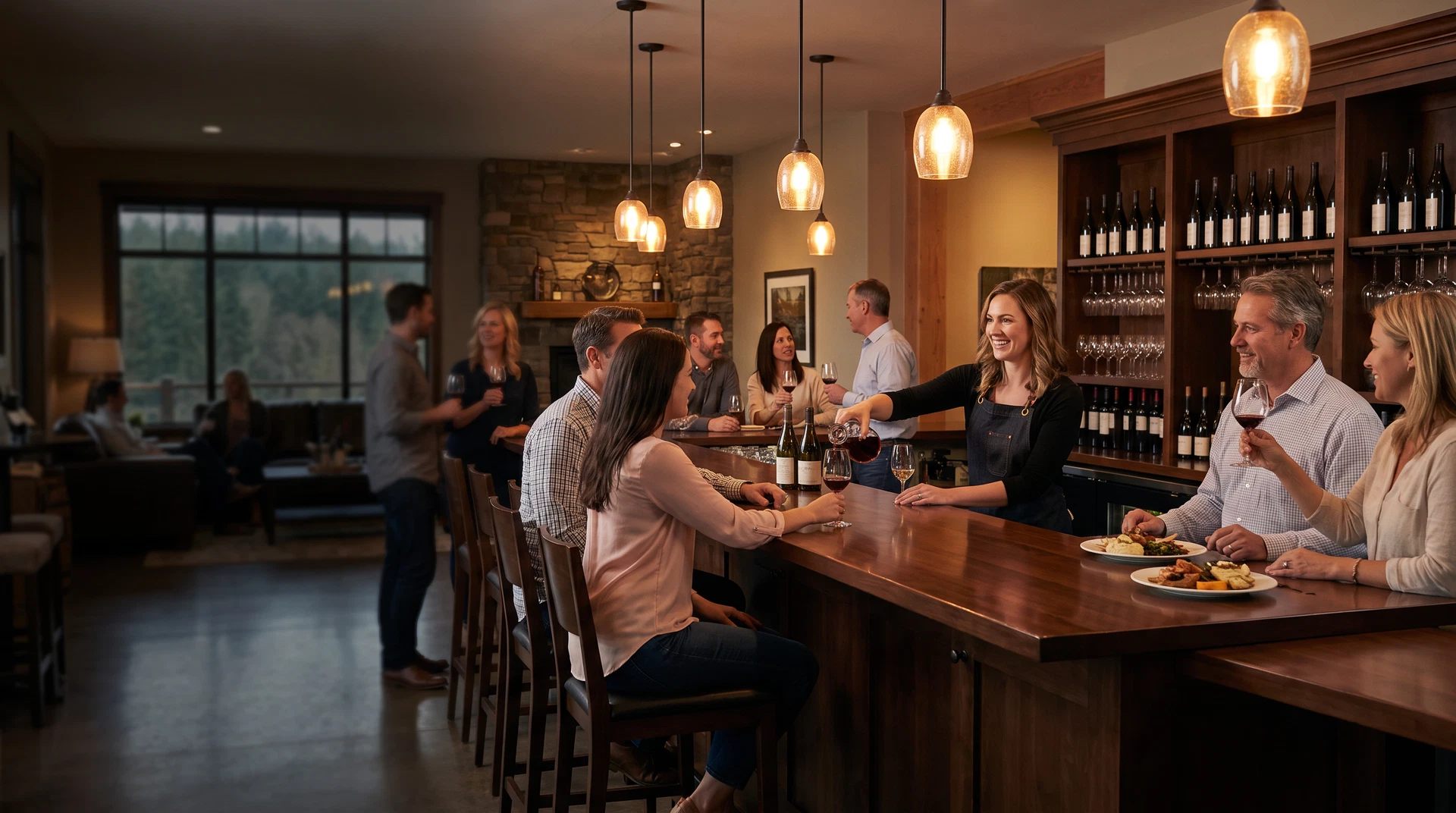
Liquor Liability for Restaurants, Events, Breweries, Wineries & Venues: Contracts, Servers & Special Events

Alcohol service can be central to a restaurant, brewery, winery, tasting room, venue, caterer, festival, fundraiser, or customer event. It can also add a different liability conversation than a business has when it serves food, rents a room, or hosts a meeting without alcohol. The important planning question is not simply “Do we have insurance?” It is whether the license holder, alcohol-service team, venue, promoters, vendors, and insurance program all reflect who is serving, where service happens, what the contract requires, and how the operation actually works.
This article is an educational planning guide for businesses in Oregon and throughout Insure Pacific’s licensed states. It is not legal advice or a coverage promise. Alcohol-service rules, dram-shop or host-liability laws, policy terms, exclusions, limits, endorsements, licensing rules, contract requirements, and claim outcomes vary by jurisdiction and facts. Send the actual lease, venue contract, catering agreement, festival requirements, and policy documents to qualified legal and insurance professionals before an event or service change.
Liquor liability, host liquor, and general liability are related—but not interchangeable
Commercial general liability is an important foundation for premises and operations, but it should not be assumed to solve every alcohol-related allegation. Liquor liability coverage is designed to address a different exposure when a business manufactures, sells, serves, furnishes, or distributes alcohol. Host liquor questions can arise where a business provides alcohol incidentally rather than as part of its trade, but the exact facts and policy language matter.
For a restaurant, brewery, winery, tasting room, caterer, bar, club, venue, festival organizer, or event operator, begin with an operations map. Identify the entity that holds the license, the entity collecting alcohol revenue, the location where alcohol is served, the server or bartender employer, the use of volunteers, the use of outside bartenders, and whether alcohol leaves the premises. A written map gives the insurance conversation a real factual foundation instead of a generic classification.
Liquor liability should also be coordinated with Business Insurance, Commercial Property Insurance, Commercial Umbrella Insurance, and the organization’s workers’ compensation, auto, cyber, crime, and event-related insurance discussions. One policy limit should not be treated as a substitute for the whole risk-management program.
What Oregon licensing guidance means for insurance planning
For businesses that allow on-premises alcohol consumption, the Oregon Liquor and Cannabis Commission states that liquor liability insurance is required before the agency will issue a temporary authority to operate or final license. Its full and limited on-premises licensing guidance identifies a minimum of $300,000, current coverage, applicant and business-address information, and OLCC certificate-holder information as part of the insurance evidence it expects.1 2
That regulatory minimum is not a universal recommendation for every operation, contract, lender, or venue. It is one required starting point for the cited Oregon licensing context. A restaurant with delivery, a brewery with special events, a winery with seasonal weddings, a venue with a large capacity, or a caterer serving at multiple sites may need a more detailed review of limits, operations, contractual obligations, umbrella structure, deductibles, and carrier appetite.
OLCC also explains that individuals who mix, serve, or sell alcohol in a licensed on-premises business, and managers supervising that service, need an Alcohol Service Permit. The state’s current process includes application, education, testing, and CAMP portal steps; staff must complete the required permit process before mixing, selling, or serving alcohol.3 This is a licensing and operations issue, not merely an insurance filing task.
Restaurants and bars: build a service-control system, not a stack of certificates
A restaurant’s risk changes with late-night service, private parties, delivery, entertainment, outdoor seating, food-and-alcohol mix, staffing levels, security, cash handling, and the number of people who can make a judgment call at the point of service. Good service controls are operational disciplines first: clear ID procedures, escalation expectations, staff training, manager availability, incident documentation, transportation options, and a process for refusing service appropriately.
For restaurant owners, a coverage review can include liquor liability, general liability, property, business income, food contamination or spoilage questions, employment-practices liability, cyber coverage for point-of-sale and customer data, commercial auto or hired/non-owned auto questions, and workers’ compensation. The right combination depends on the operation and carrier. The broader Restaurant and Food Service Insurance guide can help organize non-alcohol property, payroll, equipment, and food-service questions alongside liquor liability.
Keep records that reflect the actual operation. That may include policy declarations, current permits, employee rosters, manager-on-duty procedures, training records, incident-report forms, contracts for entertainment or security, and contact information for the insurer, broker, attorney, and emergency vendors. Documentation does not guarantee a claim result; it does improve the organization’s ability to explain the service program and respond promptly when a question arises.
Breweries, wineries, and tasting rooms often have several roles at once
A brewery or winery may be a manufacturer, retailer, tasting room, employer, event host, landlord, tenant, farm operation, distributor, shipper, and brand owner. Those roles can create a layered insurance conversation. A harvest event or release party can add weather, crowd, vendor, live-music, liquor-service, property, food, parking, and transportation concerns to the normal daily operation.
Review operations rather than labels. Ask whether alcohol is served only in a tasting room, at off-site events, through a catering arrangement, at a wedding, in a club area, or under a temporary event privilege. Consider what happens to inventory, barrels, tanks, refrigeration, processing equipment, cash, customer data, and product when a loss interrupts the operation.
For a broader winery and visitor-event discussion, see Winery & Vintners Insurance in Oregon and Winery, Farm Stand & Agritourism Insurance. Those articles are useful companion resources for operations that combine production, visitors, direct sales, and events.
Special events require a named decision-maker and a written operating plan
An event is not automatically covered because it occurs at a licensed location or because the event host purchased a one-page certificate. Before alcohol is served, document who is sponsoring the event, who holds or uses the license, who provides bartenders, who controls the bar, who checks identification, who supplies security, whether food vendors are involved, how closing time is handled, and which party is responsible for cleanup, transportation messaging, and incident reporting.
In Oregon, an eligible annual on-premises licensee may use a Temporary Use of an Annual License for certain special-event service. The privileges depend on the license type and event setup.1 2 A special event plan should be discussed with the appropriate regulator, venue, insurer, and counsel rather than copied from a prior event.
| Event-planning question | Why it matters | Documentation to assemble |
|---|---|---|
| Who is the license holder and alcohol-service operator? | The person or entity serving alcohol may not be the same as the venue owner or event promoter. | License information, site plan, event agreement, and responsible-party contacts. |
| Who employs or supervises servers and security? | Staffing duties, training, and incident response need a clear chain of command. | Permit and training confirmation, vendor agreements, schedules, and escalation protocol. |
| What does the venue contract require? | Agreements may call for limits, certificates, additional insured status, waiver language, or specific event terms. | Full contract, insurance exhibit, endorsement requests, and certificate instructions. |
| What else happens at the event? | Music, food, parking, rented equipment, shuttle service, weather, and crowds can create separate exposures. | Vendor list, site map, weather plan, emergency contacts, and loss-reporting procedure. |
For event-specific planning beyond alcohol service, review Nonprofits & Events Insurance early enough to coordinate contracts and carrier requirements. An independent agent can help identify questions, but only the actual policy and endorsements govern coverage.
Contracts, certificates, additional insured status, and waivers of subrogation
Venue, landlord, caterer, promoter, producer, distributor, and vendor contracts often ask for certificates, additional insured status, waiver of subrogation, primary/noncontributory wording, specific limits, and notice language. These are not interchangeable requests. The contract should be reviewed before the certificate is issued, and any required endorsement should be confirmed in the policy rather than assumed from wording in an email or certificate request.
The Texas Department of Insurance explains a broadly important certificate principle: a certificate cannot create or alter policy rights. Its guidance notes that a certificate may identify a blanket additional-insured or blanket waiver endorsement when one exists, but a certificate holder should not treat a certificate as proof that it has rights beyond the policy and applicable endorsement.4 This is a state-specific regulatory source, but the practical discipline is relevant everywhere: compare the signed contract, policy, endorsement, and certificate together.
The detailed Commercial Lease Insurance Requirements guide explains the same discipline in a tenant-and-landlord setting. For an alcohol-service business, apply it to the venue, catering, sponsorship, and vendor contracts too.
Independent Insurance Agency Since 1935
Not Sure If You Have the Right Coverage?
Our licensed agents compare 50+ carriers to find you the best coverage at the right price — at no extra cost to you.
Coverage questions to bring to an insurance review
Avoid treating a checklist as a promise that every item can be covered. Instead, use it to describe the business accurately and ask focused questions about availability, limits, conditions, exclusions, deductibles, and endorsements.
| Coverage conversation | Examples of facts to provide | Review question |
|---|---|---|
| Liquor liability | Alcohol revenue, service locations, temporary events, delivery or catering, entertainment, and capacity. | Does the policy reflect who sells, serves, and furnishes alcohol in each operation? |
| General and premises liability | Dining rooms, patios, parking areas, tasting rooms, rented space, and crowd flow. | Are locations, operations, limits, and contractual requirements coordinated? |
| Commercial umbrella or excess liability | High-capacity events, alcohol service, vehicles, contractual requirements, and asset values. | Are underlying requirements and umbrella follow-form terms understood? |
| Property and business income | Bars, kitchens, tanks, stock, furniture, equipment, leasehold improvements, and seasonal revenue. | What happens if a covered property loss interrupts alcohol-related operations? |
| Equipment breakdown | Refrigeration, HVAC, pumps, electrical panels, point-of-sale systems, and brewing or processing equipment. | Are sudden mechanical or electrical failure scenarios reviewed separately from property coverage? |
| Cyber and crime | Reservations, online orders, payment systems, customer information, payroll, and vendor payments. | Which digital and funds-transfer exposures are outside an alcohol-service policy? |
For systems that can stop a restaurant, taproom, or event venue from operating, see Equipment Breakdown Insurance. For social-engineering, payment, and customer-data questions, see AI and Business Insurance.
A practical alcohol-service readiness checklist
Use a pre-opening, renewal, or event checklist that matches your operation. Confirm the current license and permit status; identify the alcohol-service decision maker; verify the event or premises footprint; collect vendor contracts; document server and manager training; refresh refusal-of-service and incident procedures; verify emergency contacts; and send any contract insurance requirements well before the event date.
Review operations whenever something changes. Examples include adding outdoor service, beginning delivery, hosting weddings, changing the license holder, bringing in a third-party bartending company, starting a festival, allowing minors in a different area, adding live entertainment, leasing a new venue, or expanding into catering. A change in operation can matter more than the policy’s anniversary date.
Talk with Insure Pacific before the contract or event date arrives
Insure Pacific can help restaurants, breweries, wineries, venues, event operators, and hospitality businesses organize an insurance review across available carriers. We can review the operations description, contract insurance exhibit, current declarations, certificate instructions, event calendar, property values, revenue sources, loss history, and questions for the carrier. We cannot promise a carrier will offer a specific endorsement, accept every event, meet every contract demand, renew a policy, or pay a future claim.
To start, request a liquor-liability and business-insurance review, call (541) 238-7775, or send a message to Insure Pacific. Bring the full contract, current certificate, policy declarations, endorsements, alcohol-service procedure, license details, event schedule, venue information, and the exact requirements that have been requested.
References
[1] Oregon Liquor and Cannabis Commission — Full On-Premises, Commercial
[2] Oregon Liquor and Cannabis Commission — Limited On-Premises Sales
[3] Oregon Liquor and Cannabis Commission — Alcohol Service Permits
[4] Texas Department of Insurance — Certificates of Insurance Frequently Asked Questions
Our Licensed Coverage Area
States highlighted in blue are states where Insure Pacific holds an active insurance license.
Hover to highlight — click a state to visit its insurance page
Our Oregon Office Locations
Hover over a marker to see the office — click to visit their website.
Hover to highlight — click to visit that office's website
Ready to Get Protected?
Talk to a Local Oregon Insurance Expert
Insure Pacific has been serving Oregon families and businesses since 1935. We work with 50+ carriers so you get real options — not just one company's answer.
Related Articles
 Commercial Insurance
Import and Export Cargo Insurance: Ocean Freight, Ports, Customs, and Inland Transportation
Read Article → Commercial Insurance
Has Your Business Outgrown Its Insurance? Revenue, Payroll, New Locations, and New Services
Read Article → Commercial Insurance
Buying a Commercial Building: Insurance Questions to Answer Before Closing
Read Article → Commercial Insurance
Non-Emergency Medical Transportation Insurance: Passenger Injuries, Wheelchair Lifts, Driver Screening, Contracts & Commercial Auto Limits
Read Article →Get in Touch
Ready to protect what matters most? Contact us today for a no-obligation insurance review. Our experienced agents are here to help you find the right coverage for your needs.


