



Winery & Vintners Insurance in Oregon: A Practical 2026 Guide
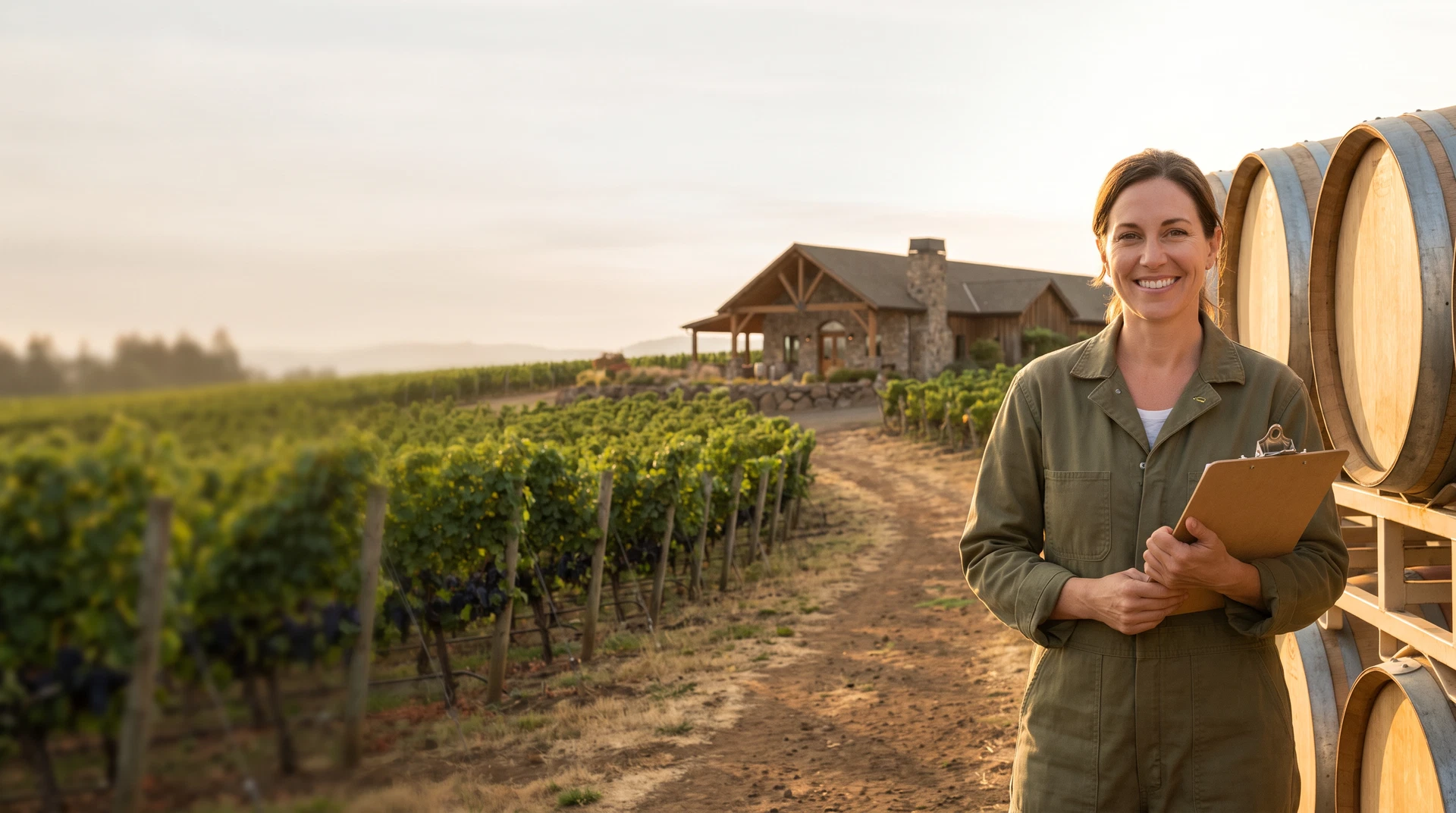
Winery & Vintners Insurance in Oregon: A Practical 2026 Guide

Oregon wine businesses combine agriculture, production, hospitality, retail, and distribution. A tasting room may welcome guests on the same property where grapes are grown, wine is stored, and expensive temperature-sensitive equipment operates. That combination makes a standard one-size-fits-all policy conversation incomplete. Start with a tailored winery insurance review that maps each revenue stream and location before harvest, events, or a major capital investment changes the risk.
Why winery and vintners insurance is different
From vine to bottle, a winery can face crop, premises, production, inventory, visitor, and transportation exposures. Industry guidance identifies weather, spoilage, leakage, chemical drift, public tastings, product liability, and wine contamination as exposures that may need specialized consideration.1 The right program depends on the operation’s actual property, contracts, limits, exclusions, deductibles, and carrier underwriting—not a generic checklist.
For an Oregon estate winery, the discussion can include vineyard blocks, trellises, irrigation, crush equipment, barrels, tanks, finished inventory, a tasting room, food service, weddings, clubs, off-site storage, delivery, and online sales. A virtual winery or custom-crush brand may have fewer owned assets but greater reliance on contracts, stored wine, and transit.
The coverage conversations to have before harvest
Property, wine stock, and equipment
Commercial property coverage commonly addresses buildings and business personal property, but winery property values deserve careful attention. Presses, pumps, refrigeration, laboratory equipment, barrels, tanks, labels, packaging, and wine in process can create valuation questions. Winery-specific forms may address wine leakage, contamination, brands and labels, vines, harvested grapes, and market-value issues.1 A review should distinguish owned property from leased, borrowed, and off-site property and should test whether stated values keep pace with replacement costs.
Equipment breakdown is a separate discussion from ordinary property damage. A mechanical or electrical failure involving refrigeration, temperature controls, pumps, or other key production equipment may trigger production delays and income disruption. Chubb specifically identifies equipment breakdown and its potential production-delay and cashflow consequences for wineries.2
Liability, tastings, events, and alcohol service
General liability helps address certain third-party bodily injury and property-damage allegations, while product liability addresses claims tied to products. Wineries that pour, sell, or serve alcohol should separately review liquor-liability needs, responsible-service practices, vendor agreements, and whether each tasting, club event, concert, wedding, or private gathering fits policy conditions. Public events can also require certificates, additional-insured wording, higher limits, or a specific special-event liability review.
The operations matter. A winery with food service, tours, shuttles, live music, temporary structures, or rented venues may need a different conversation than a production-only facility. Visitor injuries, parking, hired vendors, and alcohol service should be treated as real operational questions—not afterthoughts.
Spoilage, contamination, recall, and interrupted income
Wine represents a long production cycle. A contamination event, accidental blend, temperature failure, leakage, or unsafe-product allegation can affect inventory, customer relationships, and future revenue. Carrier programs describe product-recall expense, wine contamination, and business-income coverage as specialized options or enhancements; terms vary and must be reviewed policy by policy.1 3
Ask what triggers apply, how wine in process is valued, whether off-site storage is included, and how extra expense or lost income would be measured after a covered disruption. If labels, formulas, customer data, or point-of-sale systems are essential to the operation, include cyber insurance and data-recovery questions in the same planning session.
Independent Insurance Agency Since 1935
Not Sure If You Have the Right Coverage?
Our licensed agents compare 50+ carriers to find you the best coverage at the right price — at no extra cost to you.
Vineyard, weather, wildfire, and transit exposures
Vineyards add agricultural exposure beyond the winery building. Depending on the program, discussions may include vines, trellises, harvested grapes, packaging materials, chemical drift, crop protection, and weather-related loss. Standard property insurance may focus on buildings and contents; vineyard risks can require a more specialized analysis.3
In Oregon and across the American West, wildfire preparedness should be part of a property review. Discuss defensible space, access, water, business-continuity planning, smoke-related operational disruption, and the limits or exclusions that may apply. A winery moving grapes, bottles, supplies, or finished product should also consider commercial auto, transit, and inland-marine exposures.
People, contracts, and the business behind the bottle
Seasonal harvest teams, cellar staff, tasting-room employees, delivery drivers, and managers each change the operational picture. Employers should discuss workers’ compensation, employment-practices liability, payroll classifications, safety procedures, and contractor certificates. Directors, officers, and partners may also have management-liability concerns depending on ownership and governance.
Contracts deserve the same attention. Review leases, winery-host agreements, custom-crush agreements, distribution contracts, vendor agreements, and event contracts before signing. Insurance requirements can allocate risk, but a certificate alone does not explain all coverage terms or limitations.
A practical winery insurance review checklist
Before the next harvest or event season, assemble a property schedule, current wine-stock values, equipment list, list of tasting-room and event activities, revenue by operation, contracts, vehicle and driver list, and prior-loss history. Then ask an independent agent to compare the program against the operation’s actual exposure. You can also explore commercial property insurance, general liability insurance, and umbrella coverage alongside any winery-specific coverage.
Ready to review your winery or vintners coverage?
Insure Pacific can help Oregon and American West wine businesses compare options across carriers and clarify the questions their policy should answer. Request a winery insurance quote before harvest, a large event, a new tasting-room opening, or a major inventory change. Coverage availability and claim outcomes always depend on the specific policy, facts, exclusions, limits, and applicable law.
References
[1] Travelers — Insurance for Wineries & Vineyards
Our Licensed Coverage Area
States highlighted in blue are states where Insure Pacific holds an active insurance license.
Hover to highlight — click a state to visit its insurance page
Our Oregon Office Locations
Hover over a marker to see the office — click to visit their website.
Hover to highlight — click to visit that office's website
Ready to Get Protected?
Talk to a Local Oregon Insurance Expert
Insure Pacific has been serving Oregon families and businesses since 1935. We work with 50+ carriers so you get real options — not just one company's answer.
Related Articles
 Commercial Insurance
Buying a Commercial Building: Insurance Questions to Answer Before Closing
Read Article → Commercial Insurance
Non-Emergency Medical Transportation Insurance: Passenger Injuries, Wheelchair Lifts, Driver Screening, Contracts & Commercial Auto Limits
Read Article → Commercial Insurance
General Contractor Insurance and Subcontractor Risk: Certificates, Additional Insured Status, Waivers of Subrogation, and Indemnity
Read Article → Commercial Insurance
Pickleball and Padel Club Insurance: Court Injuries, Leagues, Instructors, Alcohol, and Facility Liability
Read Article →Get in Touch
Ready to protect what matters most? Contact us today for a no-obligation insurance review. Our experienced agents are here to help you find the right coverage for your needs.


