24/7
Care, staffing, property, and resident-safety responsibilities that can shape coverage planning
8
Senior-housing operations commonly included in a thoughtful renewal conversation
10
States where Insure Pacific is licensed to help eligible clients across the American West
Senior housing is not one business model. A quiet independent-living community, a residential care facility, a memory-care community, an adult foster home, and a continuing-care retirement community can all serve older adults, yet each has a different combination of resident care, staff, buildings, transportation, food service, records, contracts, and continuity obligations. The insurance program has to start with those actual operations—not just the number of units or a generic business classification.
In Oregon, the Department of Human Services identifies assisted living facilities, residential care facilities, and memory care communities as community-based care settings. It also separately describes adult foster homes as licensed single-family residences that may provide 24-hour care to older adults and adults with physical disabilities. [1] [2] Those distinctions matter because resident needs, staffing practices, ownership, services, and licensing responsibilities can all change the risk discussion.
This guide is written for owners, operators, boards, administrators, and property managers across Oregon and the American West. It does not replace legal, licensing, or policy advice. It does provide the practical questions worth asking before a renewal, acquisition, expansion, new transportation program, or loss brings those questions into focus.
Senior-housing renewal review
Is your insurance program designed for the care you actually provide?
A thoughtful review connects your operations, resident mix, contracts, vehicles, buildings, staff practices, and continuity plans to the coverage options you are considering.
What Kind of Senior Housing Operation Are You Insuring?
A useful starting point is to name the operation accurately. An insurance application, carrier submission, lease, management agreement, lender requirement, or regulatory filing may use specific terminology. Do not assume that a policy written for one senior-living model automatically fits another.
| Operation | Typical planning question | Why the distinction matters |
|---|
| Independent or active-adult living | Are you providing housing only, hospitality services, or organized resident activities? | The property, premises, resident-service, and contractual exposure can differ materially from a care-focused setting. |
| Retirement community or life-plan community | Do you operate multiple care levels, common amenities, transportation, or a campus-style property portfolio? | A multi-building operation may combine real-estate, operations, vehicle, and resident-service exposures. |
| Assisted living or residential care | What personal care, medication support, meals, supervision, and staffing services are part of the operation? | Care-related responsibilities and regulatory obligations need to be reflected accurately in the carrier conversation. |
| Memory care community | What specialized staffing, training, supervision, wandering-prevention, and family-communication practices are in place? | Memory-care services create a distinct operational profile that should not be treated as a routine apartment risk. |
| Adult foster home | Is care provided in a licensed residence, and what support level is delivered around the clock? | A homelike setting can still carry business, resident-care, property, and employer exposures. |
| Skilled nursing or rehabilitation | Are clinical services, therapy, equipment, and medical-record responsibilities involved? | Specialized clinical and professional-liability considerations often become more central as services change. |
Licensing is not an insurance policy.
Oregon licenses assisted living facilities, residential care facilities, and memory care communities through ODHS, with the governing standards referenced in OAR Chapter 411, Division 54. [1] [3] Licensure, contracts, financing, and policy language each answer different questions. Review them together with the appropriate professionals rather than treating any one document as a substitute for the others.
The Eight Coverage Conversations Senior-Housing Operators Should Have
01
Commercial Property, Valuation, and Extra Expense
Senior-housing buildings are not interchangeable. Review current values, roofs, kitchens, elevators, fire-protection systems, laundry, furnishings, landscaping, resident-property considerations, ordinance or law, utility-service interruption, and the plan to keep operating after a covered loss. A property discussion should include the business-continuity consequences of a partial closure or temporary relocation—not only the building limit.
02
General Liability and Excess / Umbrella Limits
Slip-and-fall incidents, visitors, activities, dining areas, common spaces, contractors, events, and transportation can all create liability questions. General liability is a foundation; excess or umbrella options may offer additional limits above scheduled underlying coverage, subject to their terms. The right structure depends on your locations, services, contractual requirements, assets, and loss history.
03
Professional and Care-Related Liability
The care, supervision, documentation, service coordination, and management decisions made by a senior-living operation can present exposures that are different from premises liability. The best conversation separates general liability from professional, management, or care-related liability and clarifies exactly which entities, employees, volunteers, and services are contemplated.
04
Abuse, Molestation, and Safeguarding Controls
Facilities serving vulnerable adults should ask how the policy addresses allegations involving abuse, neglect, or improper conduct; how reporting and response costs are handled; and how screening, training, supervision, documentation, and incident protocols support a safer environment. Coverage wording, limits, exclusions, reporting triggers, and risk-control resources require close review.
05
Cyber, Privacy, and Social Engineering
Senior-housing operations may hold resident contact details, financial information, health-related information, family contacts, employee records, and vendor payment instructions. A cyber review should examine breach response, ransomware, business interruption, vendor access, invoice fraud, funds-transfer instructions, and the real-world incident-response steps the team can take quickly.
06
Commercial Auto and Resident Transportation
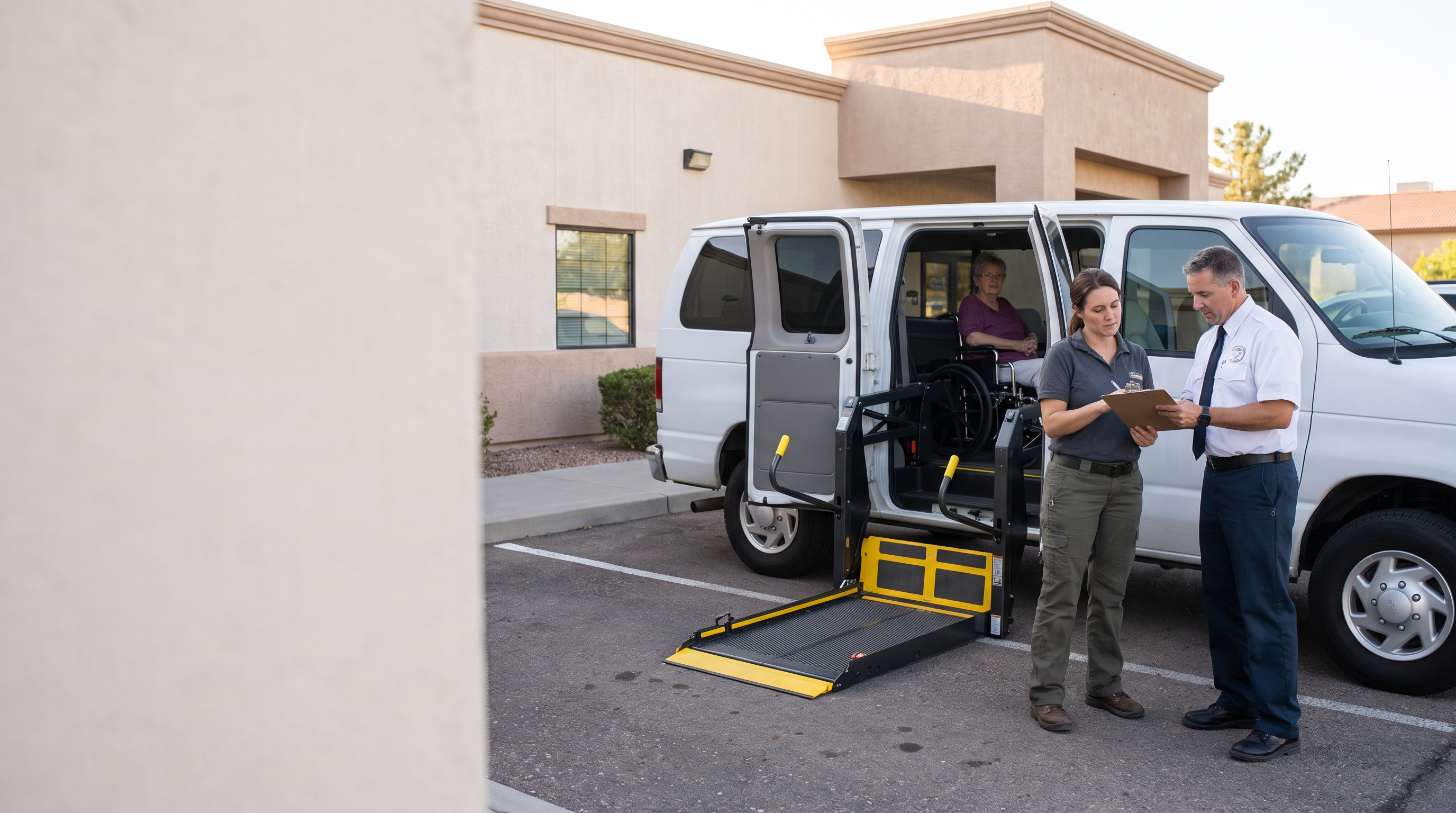
A facility-owned van, shuttle, or other vehicle used for resident trips creates a different exposure from ordinary office driving. Ask who drives, who rides, how vehicles are maintained, what routes are used, whether employees use personal vehicles, and how supervision and emergency procedures work. The answer may affect auto, hired/non-owned auto, and umbrella discussions.
07
Workers Compensation and Employment Practices
Caregiving, dietary, maintenance, transportation, housekeeping, activities, and administration create different injury and staffing exposures. Review payroll classifications, return-to-work practices, ergonomic and safe-lift processes, incident reporting, temporary staff, and supervisory roles. Employment-practices questions may also deserve a separate review when hiring, scheduling, discipline, or accommodation concerns are present.
08
Crime, Equipment, and Continuity
The right program may also require a review of employee theft, computer fraud, funds-transfer fraud, equipment breakdown, inland marine, food spoilage, service interruption, and crisis-management needs. The goal is not to buy every available endorsement; it is to identify which loss scenarios could materially disrupt your residents, staff, finances, or ability to operate.
The coverage categories above work together. For context on adjacent business needs, review Insure Pacific's business insurance, healthcare insurance, real-estate insurance, commercial property insurance, and professional liability insurance resources. The correct program depends on your organization's actual services and policy terms—not a standard checklist.
A renewal is easier when your risk story is ready.
Bring current policies, loss runs, a list of locations, staffing and service descriptions, resident-transportation details, contracts, property values, emergency plans, and significant operational changes to the renewal discussion. Clear information helps your agent market the operation accurately and compare meaningful options.
Start a Commercial Insurance Quote →Why Oregon and American West Operators Need a Location-Specific Review
A community in Bend, Prineville, Portland, Brookings, Boise, Spokane, Reno, Salt Lake City, Denver, or Phoenix may share broad coverage categories while facing very different property and continuity risks. Wildfire smoke, freeze, hail, wind, water intrusion, smoke damage, extended utility disruption, catastrophe-related rebuilding costs, local fire protection, and evacuation logistics can all affect the underwriting conversation. A program should reflect each location's buildings, systems, resident needs, and contingency plan.
For that reason, it is helpful to coordinate the insurance review with practical risk controls. Confirm that property valuation is current, emergency contacts and vendor arrangements are usable, driver standards are documented, payment changes are verified independently, staff understand escalation procedures, and facilities have reviewed their wildfire and evacuation readiness. Insure Pacific's wildfire insurance, cyber liability, and umbrella insurance resources can help frame those related conversations.
A Practical Senior-Housing Insurance Checklist
1
Describe operations accurately
List the care levels, services, amenities, meals, medication support, activities, transportation, third-party vendors, and any campus or portfolio locations. Avoid describing a care operation as mere apartment housing.
2
Confirm every named party
Compare the legal entity, management company, property owner, operators, board members, affiliated entities, and any contractually required additional insureds with the policy and contracts.
3
Refresh property values and systems
Review buildings, roofs, kitchens, elevators, generators, laundry, fire-protection systems, furnishings, landscaping, signage, and capital improvements. Ask how valuation, ordinance or law, equipment breakdown, debris removal, and extra expense are addressed.
4
Review resident and family communications
Consider how staff document incidents, respond to concerns, preserve records, communicate during disruption, verify payment changes, and escalate allegations or complaints.
5
Read transportation and vendor agreements
Confirm insurance requirements and certificates for shuttles, transportation vendors, therapists, food vendors, maintenance companies, security, contractors, and staffing agencies.
6
Rehearse the continuity question
Ask what the operation would do after a fire, burst pipe, cyber incident, utility interruption, evacuation, or a partial building closure. Coverage and planning should support the same continuity goal.
Independent coverage guidance
Build coverage around your residents, locations, and operations.
Insure Pacific can help eligible senior-housing operators compare commercial insurance options across 50+ carriers and organize a practical renewal conversation around the documents and exposures that matter most.
Frequently Asked Questions
What insurance does an assisted living or senior-housing facility need?+
There is no universal policy package. Many operators review commercial property, general liability, care-related or professional liability, abuse or molestation coverage, commercial auto, workers compensation, cyber, crime, umbrella, and business-continuity protections. The actual program depends on the services provided, locations, contracts, resident needs, staff, vehicles, loss history, and policy language.
Is senior-housing insurance the same as apartment-building insurance?+
Not necessarily. Independent senior apartments may have a more real-estate-focused risk profile, while assisted living, memory care, adult foster homes, and skilled services involve a different mix of resident care, staffing, supervision, safety, and regulatory considerations. An accurate description of operations is essential.
Does general liability cover resident-care allegations?+
General liability and professional or care-related liability are different coverage discussions. The terms, insuring agreements, exclusions, reporting requirements, and limits can vary substantially. Review the actual policy with an insurance professional and consult appropriate counsel for legal or licensing questions.
Why does a senior-living operation need cyber coverage?+
Senior-housing organizations may hold resident, family, employee, payment, and vendor information. A cyber review can address questions around privacy response, ransomware, fraud, business interruption, vendor access, and incident-response support, subject to the policy selected.
How often should a senior-housing operator review insurance?+
Review coverage at least annually and whenever the operation changes materially. Examples include a new care level, medication support, expansion, acquisition, construction, new vehicle, major claim, change in ownership or management, new vendor contract, or updated emergency plan.