

The Real Cost of Being Underinsured: 5 American West Claims That Didn't Pay Out What Homeowners Expected

The Real Cost of Being Underinsured: 5 American West Claims That Didn't Pay Out What Homeowners Expected

Every homeowner in the American West pays their insurance premium every month with one assumption: if something goes wrong, they're covered. But for hundreds of thousands of homeowners across Oregon, California, Washington, Colorado, Nevada, and Idaho, that assumption has proven catastrophically wrong. When disaster strikes — a wildfire, a windstorm, a flood, a fire — the insurance settlement arrives and it falls tens of thousands of dollars short of what it actually costs to rebuild. The home is gone. The money isn't enough. And the policy they trusted for years didn't perform the way they expected.
This isn't a rare edge case. It's the norm. Research published in 2026 by the American Academy of Actuaries found that valuation software used by insurers systematically underestimates replacement costs — even before accounting for post-disaster demand surges in labor and materials. United Policyholders, a nonprofit that has worked with disaster survivors across the West for decades, says underinsurance has been a problem in every single disaster they've responded to. The question isn't whether it happens — it's whether it will happen to you.
Below are five real-world scenarios — drawn from documented claim patterns across Oregon, California, Washington, Colorado, and Nevada — that illustrate exactly how homeowners end up with less money than they need. Each one reveals a specific coverage gap that an independent agent would have caught. Each one was preventable.
Note on the Scenarios Below
The five scenarios below are composite illustrations based on documented claim patterns, published research, and insurer data from across the American West. They represent the most common ways homeowners discover they are underinsured — not individual case files. Dollar amounts reflect typical outcomes based on published research and industry data.
Is Your Home Insured for What It Would Actually Cost to Rebuild?
Insure Pacific's licensed agents will review your current homeowners policy, calculate your true replacement cost, and identify any coverage gaps — at no cost to you. We work with 50+ carriers to find the right coverage for your home and budget.
The ACV Roof Trap: Oregon Windstorm Leaves Homeowner $11,000 Short
A homeowner in the Willamette Valley had owned their home for 14 years. They renewed their homeowners insurance every year without reviewing the details — the premium was reasonable, the carrier was familiar, and nothing had ever gone wrong. Then a winter windstorm tore off a significant portion of their roof, and they filed a claim expecting full replacement.
The adjuster's estimate came back at $18,400 to replace the roof. The insurer paid $7,200. The difference — $11,200 — was the homeowner's responsibility. The reason: their policy covered the roof on an Actual Cash Value (ACV) basis rather than Replacement Cost Value (RCV).
ACV vs. RCV: The Critical Difference
Actual Cash Value (ACV)
Pays the depreciated value of your roof at the time of loss. A 15-year-old roof that cost $18,000 to replace might be worth only $7,000–$8,000 after depreciation. You pay the rest out of pocket.
Replacement Cost Value (RCV)
Pays the full cost to replace your roof with a comparable new roof at today's prices — regardless of the age of the original. The $18,000 roof gets an $18,000 settlement (minus your deductible).
ACV roof coverage is common in policies sold at lower premium points, and many homeowners don't realize they have it until they file a claim. In Oregon and Washington, where roofs take significant weather punishment from wind, rain, and ice, this distinction can mean a five-figure out-of-pocket expense after a major storm. Always confirm your policy covers your roof on a replacement cost basis — and ask your agent specifically about the roof coverage type, not just the dwelling coverage.
The Wildfire Rebuild Gap: California and Colorado Homeowners Discover Their Limits Are 10 Years Out of Date
After Colorado's Marshall Fire in December 2021 — one of the most destructive wildfires in state history — researchers at the University of Colorado studied nearly 5,000 affected policyholders. Their findings were stark: 74% of homeowners who filed claims were underinsured, with an average shortfall of $139,000. Many had not begun rebuilding more than a year after the fire because the insurance settlement simply wasn't enough to cover the cost.
The pattern repeats across California. A study published by the Federal Reserve Bank of Philadelphia found that approximately 40% of homes destroyed in California wildfires between 2012 and 2020 received insurance settlements lower than the estimated replacement cost. The root cause is almost always the same: homeowners set their coverage limit years or decades ago based on the home's purchase price or an outdated estimate — and never updated it as construction costs rose.
Consider a homeowner in a fire-prone area of Southern Oregon who purchased their home in 2015 for $380,000 and insured it for that amount. By 2026, construction costs in the region have risen dramatically — the actual cost to rebuild the same home is now $580,000. A total wildfire loss would leave them $200,000 short. This is not a hypothetical: it is the documented reality for hundreds of thousands of homeowners across the American West. For more on wildfire insurance in Oregon and how to protect your home, our agents can help.
Why Coverage Limits Fall Behind
Construction costs in the American West rose by an average of 12.7% in 2024 alone (LendingTree, 2026). Building materials were up 3.5% in 2025 (BLS). Labor shortages add further cost pressure. A policy set five years ago may be 30–50% below current rebuild cost. Extended Replacement Cost (ERC) coverage — which pays 125%–150% of your policy limit — or Guaranteed Replacement Cost (GRC) coverage are the solutions. Ask your agent whether your policy includes either.
Insure Pacific's agents work with homeowners across Oregon and the American West to ensure coverage limits reflect current rebuild costs. We also specialize in fire mitigation planning to help reduce your wildfire risk and potentially improve your insurability in high-risk areas.
The Ordinance & Law Exclusion: A Washington Homeowner Faces $85,000 in Code Compliance Costs Not Covered by Their Policy
A homeowner in the Pacific Northwest owned a 1962 ranch-style home that was partially damaged by a kitchen fire — roughly 45% of the structure was affected. Their policy covered the fire damage itself. But when the contractor began the rebuild, the local building department required the entire structure to be brought up to current code: seismic retrofitting to meet updated earthquake standards, a full electrical panel upgrade, new energy-efficiency requirements for windows and insulation, and updated plumbing to current standards.
The fire damage repair cost $110,000. The code compliance upgrades cost an additional $85,000. The homeowner's policy paid for the fire damage. It paid nothing for the code upgrades. Why? Because their policy did not include Ordinance or Law coverage — an endorsement that specifically covers the increased cost of rebuilding to current building codes after a covered loss.
What Ordinance or Law Coverage Does
Ordinance or Law coverage has three components, each addressing a different aspect of code-compliance costs after a covered loss:
Coverage A — Loss to the Undamaged Portion
If local code requires demolishing the undamaged portion of your home after a partial loss (because it can't be brought up to code), this covers that loss.
Coverage B — Demolition Cost
Covers the cost of demolishing the undamaged portion of the structure if required by ordinance.
Coverage C — Increased Cost of Construction
Covers the additional cost of rebuilding to current building codes — the most commonly needed component, and the one that saved this homeowner $85,000 they didn't have.
Ordinance or Law coverage is especially important for older homes — those built before major code updates in the 1980s, 1990s, and 2000s. If your home was built before 1990, there is a significant chance that a major loss would trigger code-compliance requirements that your standard policy won't cover. This endorsement is typically inexpensive to add and can prevent a five- or six-figure out-of-pocket expense. Ask your homeowners insurance agent whether your policy includes it.
The Personal Property ACV Trap: Nevada Homeowner Receives $18,000 for $45,000 Worth of Belongings
When a fire damaged a home in the Las Vegas suburbs, the homeowners were relieved to learn their dwelling coverage was adequate for the structure. But when the adjuster processed their personal property claim — furniture, electronics, appliances, clothing, and household goods — the settlement was a fraction of what they expected.
Their inventory totaled $45,000 in replacement cost for all the items they needed to replace. The insurer paid $18,000. The reason: their policy covered personal property on an Actual Cash Value (ACV) basis, applying depreciation to every item. A five-year-old 65-inch television that costs $1,200 to replace today was valued at $240 after depreciation. A three-year-old sofa that costs $2,800 to replace was valued at $900. The gap between what things cost to replace and what the insurer paid was $27,000 — real money that the family had to come up with out of pocket to furnish their home after the fire.
ACV Personal Property Settlement (What They Got)
With Replacement Cost Coverage (What They Should Have Had)
Replacement Cost Value (RCV) personal property coverage pays the full cost to replace each item with a new comparable item at today's prices — no depreciation applied. The same $45,000 inventory would have been settled at or near $45,000 (minus deductible). The premium difference between ACV and RCV personal property coverage is typically modest — often $50–$150 per year.
Always confirm your personal property is covered on a replacement cost basis — not ACV.
The Flood Exclusion Surprise: Oregon Coast Homeowner Discovers "Water Damage" Doesn't Mean Flood
Heavy atmospheric river storms hit the Oregon coast hard in the winter of 2024–2025, and several homeowners in low-lying coastal communities experienced something they had never anticipated: flooding. A river overflowed its banks. Stormwater overwhelmed drainage systems. Water entered homes from the ground up — not from a burst pipe or a leaking roof, but from rising water outside.
One homeowner sustained $95,000 in flood damage to their first floor and basement. They filed a claim with their homeowners insurer. The claim was denied in full. The reason: standard homeowners insurance does not cover flood damage. It never has. Flooding from rising water — whether from a river, storm surge, or overwhelmed drainage — is explicitly excluded from virtually every standard homeowners policy in the United States.
The Water Damage Confusion: What's Covered vs. What's Not
Covered by standard homeowners: Sudden, accidental water damage from a burst pipe, appliance leak, or roof leak caused by a covered peril (wind, hail).
NOT covered by standard homeowners: Flooding from rising water, storm surge, river overflow, or surface water runoff — regardless of the cause. Requires a separate flood policy.
NOT covered by standard homeowners: Sewer or drain backup — unless you have a specific sewer backup endorsement added to your policy.
Flood risk in the American West is broader than most homeowners realize. Oregon's coastal communities, river valleys, and low-lying areas in the Willamette Valley face real flood exposure. Washington's river corridors, California's Central Valley, Nevada's desert flash-flood zones, and Colorado's mountain communities all have documented flood risk. The National Flood Insurance Program (NFIP) and private flood insurers offer flood coverage as a separate policy — but it must be purchased in advance, typically with a 30-day waiting period before it takes effect. By the time a flood warning is issued, it's too late to buy coverage.
If your home is in or near a flood zone — or even if you think it isn't — ask your independent agent about flood insurance options. An umbrella policy does not cover flood either; flood requires its own dedicated policy. Our agents can help you assess your flood exposure and find the right coverage for your location.
What Every American West Homeowner Should Do Right Now
The five scenarios above share a common thread: each homeowner had insurance, paid their premiums faithfully, and still ended up with a significant out-of-pocket expense after a covered loss. In every case, the gap was preventable — with the right coverage, the right limits, and the right endorsements. Here is what you should do to make sure you're not in the same position.
Verify Your Dwelling Coverage Reflects Current Rebuild Cost
Your coverage limit should equal the cost to rebuild your home from the ground up at today's prices — not the purchase price, not the market value, not what you set it at five years ago. The median rebuild cost in the U.S. is approximately $280 per square foot. In Oregon and the Pacific Northwest, costs can be higher. Ask your agent to run a current replacement cost estimate and update your limit accordingly.
Ask About Extended or Guaranteed Replacement Cost Coverage
Even a well-calculated replacement cost estimate can be exceeded after a major disaster, when demand for labor and materials spikes. Extended Replacement Cost (ERC) coverage pays 125%–150% of your policy limit if needed. Guaranteed Replacement Cost (GRC) pays whatever it actually costs to rebuild, with no cap. These endorsements are often inexpensive relative to the protection they provide.
Confirm Your Roof and Personal Property Are on Replacement Cost Basis
ACV coverage for your roof and personal property is one of the most common and costly coverage gaps. Confirm explicitly — in writing, with your agent — that both are covered on a replacement cost basis. If they're not, the upgrade is typically modest in cost.
Add Ordinance or Law Coverage If Your Home Is More Than 20 Years Old
If your home was built before 2000, there is a meaningful chance that a major loss would trigger code-compliance requirements that your standard policy won't cover. Ordinance or Law coverage is an inexpensive endorsement that protects against this gap.
Assess Your Flood and Sewer Backup Exposure
If your home is in or near a flood zone, a river valley, or a low-lying area, ask your agent about flood insurance. Also ask about sewer backup coverage — a separate endorsement that covers damage from backed-up drains and sewers, which is also excluded from standard policies.
Why an Independent Agent Makes the Difference
Every one of the coverage gaps described above is the kind of thing an experienced independent agent catches during a policy review. A captive agent — one who works for a single insurance company — can only offer that company's products. An independent agent like Insure Pacific works with 50+ carriers and has no incentive to steer you toward a cheaper policy that leaves you exposed.
When Insure Pacific reviews your homeowners insurance, we look at your dwelling coverage limit against current rebuild costs, your roof coverage type (ACV vs. RCV), your personal property coverage basis, whether you have Ordinance or Law coverage, your flood exposure, and whether your coverage limits have kept pace with inflation. We also look at whether an umbrella policy makes sense for your situation — a relatively inexpensive way to add a significant layer of liability protection above your homeowners and auto insurance limits.
For homeowners in fire-prone areas of Oregon, California, Washington, and Colorado, we also bring expertise in wildfire insurance and fire mitigation — helping you understand your risk, your coverage options, and what steps you can take to protect your home and improve your insurability. For farm and ranch properties, our farm and ranch insurance specialists can ensure your agricultural property is fully protected.
Schedule a Free Coverage Review
Don't wait for a claim to discover your coverage gaps. Our licensed agents will review your current homeowners policy, identify any gaps, and help you find the right coverage — at no cost to you. We serve homeowners across Oregon and the American West.
Frequently Asked Questions: Homeowners Insurance Coverage Gaps
How do I know if my home is underinsured?
The clearest sign is if your dwelling coverage limit is based on your home's purchase price or market value rather than its actual rebuild cost. Purchase price and market value both include land value and market conditions — neither reflects what it would cost to rebuild the structure from the ground up. Ask your agent to run a current replacement cost estimate using construction cost data for your area. If your limit is more than 10–15% below that estimate, you're likely underinsured.
What is Extended Replacement Cost coverage and do I need it?
Extended Replacement Cost (ERC) coverage pays a percentage above your policy limit — typically 25%–50% — if your actual rebuild cost exceeds your coverage limit. It's designed to protect against demand surges after major disasters, when construction costs spike because many homes need to be rebuilt at once. If you live in a wildfire-prone area or a region that has experienced major disasters, ERC is strongly recommended.
Does homeowners insurance cover flooding?
No. Standard homeowners insurance does not cover flooding from rising water — including river overflow, storm surge, and surface water runoff. Flood coverage requires a separate policy, either through the National Flood Insurance Program (NFIP) or a private flood insurer. There is typically a 30-day waiting period before flood coverage takes effect, so it cannot be purchased in response to an imminent flood threat.
What is Ordinance or Law coverage?
Ordinance or Law coverage pays the increased cost of rebuilding to current building codes after a covered loss. Standard homeowners policies cover the cost to rebuild what was there — not the additional cost of code upgrades required by local building departments. For homes built before 1990, this gap can be substantial. The endorsement is typically inexpensive and highly recommended for older homes.
Should I review my homeowners insurance every year?
Yes. At minimum, review your dwelling coverage limit annually to ensure it keeps pace with rising construction costs. Also review your policy after any major home improvement — a kitchen remodel, addition, or significant upgrade increases your rebuild cost and should be reflected in your coverage. An independent agent can help you review your policy efficiently and identify any gaps.
Our Licensed Coverage Area
States highlighted in blue are states where Insure Pacific holds an active insurance license.
Hover to highlight — click a state to visit its insurance page
Our Oregon Office Locations
Hover over a marker to see the office — click to visit their website.
Hover to highlight — click to visit that office's website
Ready to Get Protected?
Talk to a Local Oregon Insurance Expert
Insure Pacific has been serving Oregon families and businesses since 1935. We work with 50+ carriers so you get real options — not just one company's answer.
Related Articles
 Home Insurance
High-Value Home Insurance in the Mountain West: What Owners of Luxury Homes in Oregon, Idaho, Montana, and Colorado Need to Know
Read Article → Home Insurance
Navigating Insurance in the Pacific Northwest: What Oregon & Washington Homeowners Need to Know
Read Article →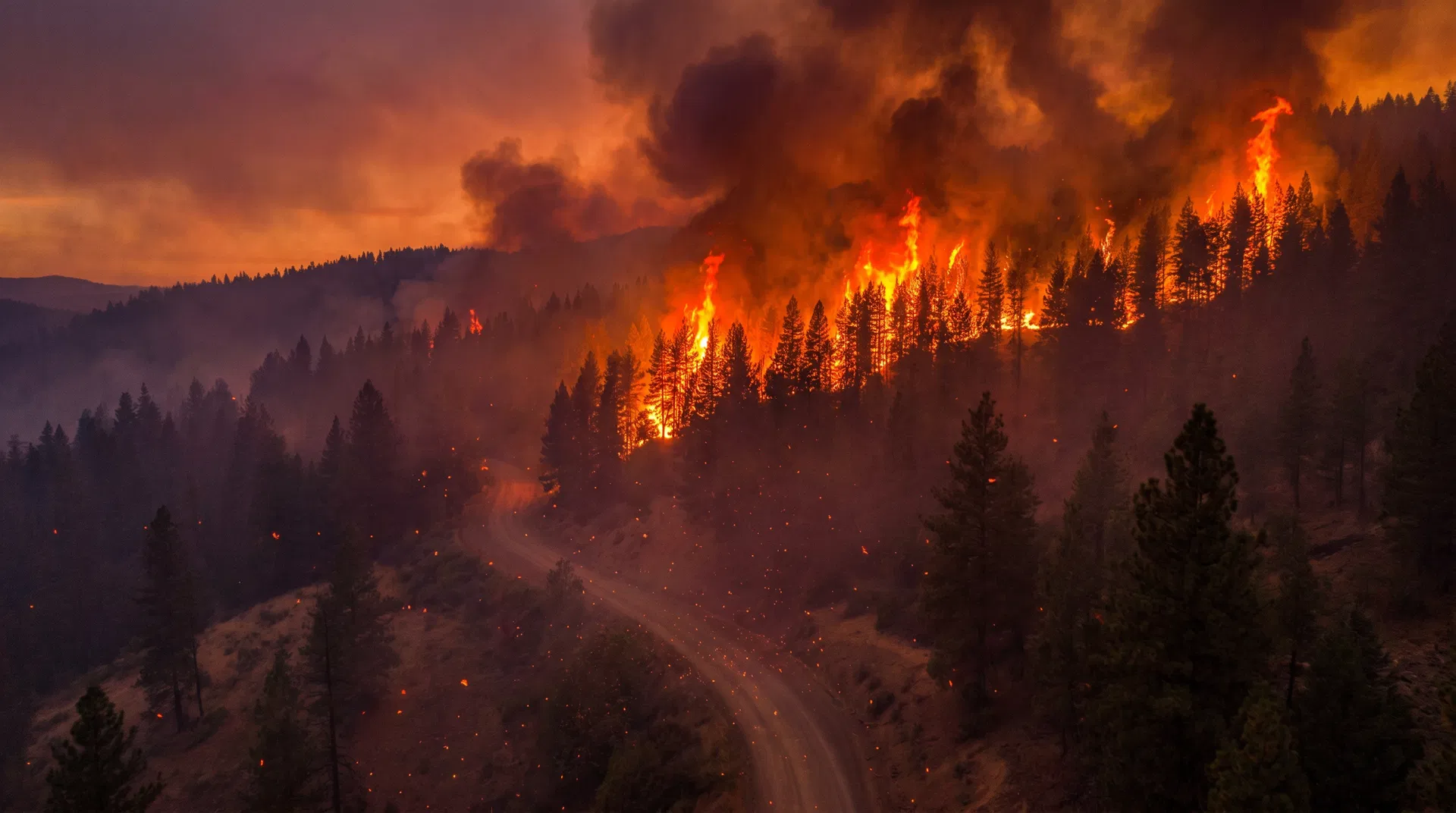 Home Insurance
Oregon Wildfire Insurance: Homeowners, Business & Fire Mitigation Guide 2026
Read Article → Home Insurance
Short-Term Rental Insurance in Oregon: Airbnb, VRBO & Vacation Rental Host Guide 2026
Read Article →Get in Touch
Ready to protect what matters most? Contact us today for a no-obligation insurance review. Our experienced agents are here to help you find the right coverage for your needs.