



Vacant Commercial Building Insurance: Renovations, Seasonal Closures, Tenant Turnover, Squatters, Water Damage & Lender Requirements
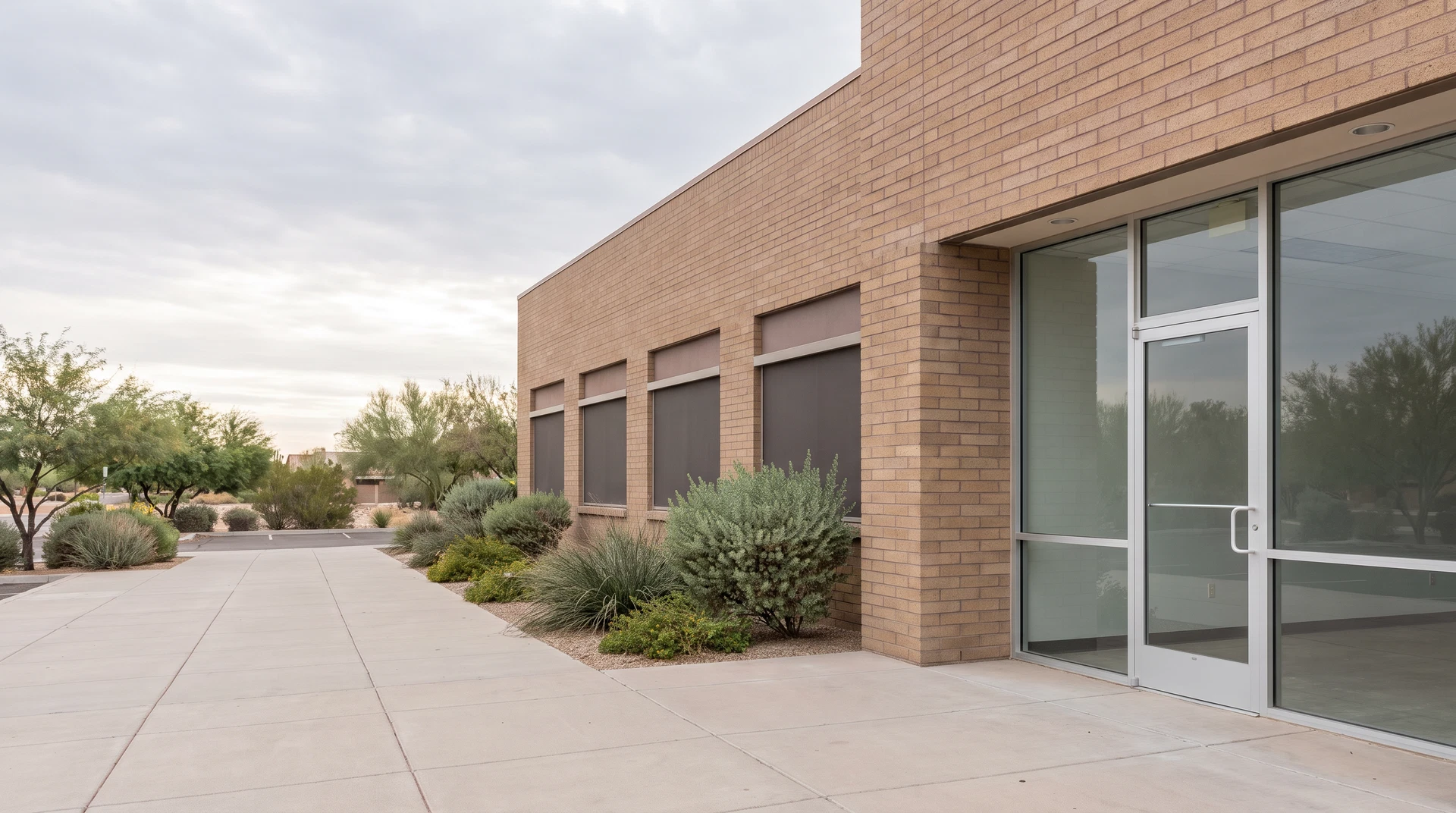
Vacant Commercial Building Insurance: Renovations, Seasonal Closures, Tenant Turnover, Squatters, Water Damage & Lender Requirements

A commercial building does not become low-risk simply because regular operations pause. A tenant may move out, a seasonal business may close, an owner may be waiting for permits, or a renovation may be underway. Yet plumbing still runs, weather still reaches the roof, fire-protection systems still need attention, and an empty-looking site may attract trespassers or theft. The insurance question is not merely whether a policy exists; it is whether the carrier, lender, property manager, and owner understand the building’s actual condition.
This guide is for owners of offices, storefronts, flex buildings, warehouses, professional suites, and mixed-use commercial property. It explains how to organize an insurance review before a vacancy becomes a coverage surprise. It is educational, not legal or coverage advice. Vacancy definitions, protective-safeguard conditions, exclusions, endorsements, inspections, deductibles, lender clauses, underwriting requirements, and claim outcomes vary by insurer, policy, jurisdiction, building, and facts of loss.
Start with the foundation: Commercial Property Insurance, Office Building Insurance, and Light Industrial Property Insurance should reflect how the building is occupied today—not only how it was occupied when the policy was first written.
Vacancy, unoccupancy, and a building in transition are not interchangeable
Owners often use “vacant” to mean “nobody is there today.” Policies and carriers may use more detailed definitions. A building with furniture, utilities, occasional maintenance activity, and a tenant preparing to reopen can look very different from a building that has been emptied, shut down, and left without regular supervision. A suite turnover may be a normal part of ownership; a full-building shutdown during a major renovation can produce a very different underwriting conversation.
Before a tenant leaves—or as soon as a closure becomes likely—ask the agent and carrier how the policy treats the anticipated condition. Describe the facts rather than relying on a label: which parts of the building will be empty, whether utilities will remain on, whether heat will be maintained, whether contractors will work there, who will inspect it, whether stock or equipment remains, and the expected timeline. Confirm changes in writing and keep the declarations page, endorsements, and any inspection requirements together in the property file.
The National Fire Protection Association notes that vacant-building risks should be addressed through fuel-load control, restricted access, and maintained fire-protection systems unless the authority having jurisdiction approves another approach.1 That is a risk-control principle, not a promise of coverage. It is also a useful reminder that a “quiet” building still needs active ownership.
Tenant turnover: treat the handoff as an insurance event
When one tenant departs and another has not yet moved in, the insurance task is broader than changing a rent roll. The owner, tenant, and property manager should clarify who controls keys, alarms, utility accounts, after-hours access, snow and ice service, trash removal, fire-system monitoring, and emergency repairs. Retain surrender documents, photographs of the premises, maintenance records, and any evidence of tenant-required insurance through the move-out date.
Read the lease alongside the insurance policy. A lease may assign responsibilities for glass, signs, tenant improvements, exterior maintenance, liability, utilities, indemnity, certificates, additional insured status, or waiver-of-subrogation language. Those contract terms do not automatically revise an insurance policy. For a fuller lease-review framework, see Commercial Lease Insurance Requirements.
During turnover, look beyond the occupied suite. A leaking ice maker, failed HVAC condensate line, disabled heat, propped door, unsecured roof hatch, or contractor key can create a building-wide loss. Build a dated turnover packet with unit photographs, meter readings, keys and access credentials, vendor contacts, inspection logs, and clear escalation instructions for water, fire, and security alarms.
Water damage is often a vacant-building problem long before it is an insurance claim
Water losses can grow quietly. A supply-line leak, frozen pipe, failed sump, roof drain blockage, sprinkler impairment, toilet issue, or open window may not be noticed quickly in a lightly supervised building. The longer water travels, the more likely the loss affects finishes, equipment, adjacent suites, electrical systems, mold conditions, and business interruption for a future tenant.
Use a written water-control plan. Identify the domestic water shutoff, the fire-protection shutoff, floor drains, sump pumps, roof drains, water heaters, irrigation controls, and freeze-vulnerable locations. Do not shut down or impair a fire-protection system without appropriate qualified guidance, required notifications, and a plan acceptable to the authority having jurisdiction. If domestic water lines are separate from fire-protection lines, their treatment may be different. NFPA emphasizes maintaining fire-protection systems in vacant buildings unless the authority having jurisdiction approves otherwise.1
Set an inspection cadence that fits the property, weather, construction activity, and insurer requirements. Document visit date and time, who attended, exterior conditions, interior temperature where relevant, water and alarm conditions, photographs, and corrective actions. Consider monitored leak detection, temperature alerts, low-temperature alarms, and a reachable emergency contact list as practical layers—not substitutes for physical inspections.
For systems such as HVAC, boilers, electrical panels, pumps, and controls, review Equipment Breakdown Insurance as part of the overall discussion. A sudden equipment failure and a gradual maintenance issue may be treated differently, and neither a property policy nor equipment-breakdown coverage should be assumed to cover every water-related circumstance.
Secure the building without making it invisible to management
Unsecured vacant property creates an invitation for trespassers, theft, vandalism, unauthorized occupants, and arson. The U.S. Fire Administration recommends a monitor–secure–inspect–mark approach for vacant and abandoned structures, emphasizing regular monitoring, effective physical security, inspections, and a visible way for responders to understand building status where local programs use marking systems.2
For an owner, that may translate into a practical operating plan: inspect perimeter fencing and doors; rekey or recover access credentials; verify alarm communication; remove combustible debris; maintain exterior lighting; secure roof access; monitor mail, deliveries, and dumpsters; and make sure the fire department, property manager, and emergency vendors have accurate contacts. Do not assume cameras alone solve a security problem. A camera that is not monitored, an alarm with outdated contacts, or a boarded opening that is not inspected can create false confidence.
Use any local vacant-building registration, fire-code, or inspection requirements as part of the plan. USFA identifies conditions such as standing water, unstable structures, hazardous materials, unauthorized occupants, trip hazards, and criminal activity as risks that inspectors and responders may encounter.2 If a property has a known structural, contamination, or life-safety issue, work with qualified contractors and local authorities rather than asking an untrained property representative to enter.
Renovation changes the insurance conversation
An empty suite awaiting cosmetic work is not the same as a building with demolition, roof replacement, electrical upgrades, plumbing work, stored materials, or multiple contractors. The owner should tell the insurer and lender early when work changes the building’s protection profile. Ask who is responsible for the building, existing contents, new materials, off-site storage, temporary protection, soft costs, and delay-related financial exposure.
For a meaningful construction phase, discuss Builders Risk Insurance before materials arrive or work begins. HUD’s specialized construction guidance illustrates how a lender may expect construction-specific insurance, evidence of insurance, and replacement-cost thinking during rehabilitation projects; the actual requirements for a private commercial loan will depend on the loan documents and lender.3
Collect certificates and required endorsements from contractors only after comparing them to the contract requirements. Keep signed contracts, scope of work, permits, proof of workers’ compensation where applicable, accident procedures, hot-work controls, and emergency contacts in one project file. A certificate is evidence of insurance on a particular date; it is not the policy and does not by itself amend coverage. Contractual risk transfer needs to be reviewed alongside actual endorsements and policy language.
Independent Insurance Agency Since 1935
Not Sure If You Have the Right Coverage?
Our licensed agents compare 50+ carriers to find you the best coverage at the right price — at no extra cost to you.
Lender requirements need early attention—not a last-day scramble
Commercial lenders commonly require evidence that property insurance remains in force and may specify mortgagee or loss-payee language, coverage terms, deductibles, notice provisions, and certificates or policy documents. These requirements vary materially by lender and loan. Read the loan agreement, not a generic checklist, and send a copy to the insurance professional well before a renewal, vacancy, renovation, refinance, or change of occupancy.
HUD’s insurance requirements for its specialized lending context show the type of documentation a lender may request: certificates, binders, complete policies, statements of value, loss runs, appraisals, and reports such as flood or environmental studies.3 Private lenders may ask for different items. The point is not that every owner needs HUD-level documentation; it is that lender compliance should be treated as an organized workstream.
Create a lender-ready folder with the current declarations, schedule of values, mortgagee/loss-payee wording, certificate instructions, key endorsements, replacement-cost basis, deductible summary, renewal dates, inspection correspondence, and contact information for the lender, broker, carrier, property manager, and emergency vendors. If a vacancy could change the policy, communicate before the situation changes—not after a loss.
Income, flood, wildfire, and liability require their own questions
A vacant property may not be generating rent, but a future income stream can still be exposed by fire, water, wind, wildfire smoke, vandalism, and delays in restoration or permitting. Ask how the policy approaches business income, extra expense, rental value, and loss of rents in the actual ownership structure. A building owner, operating business, and tenant may each have different financial interests and insurance needs.
Separately discuss natural hazards and location. A vacant commercial building in a flood-prone area should lead to a focused Flood Insurance conversation. A property in a wildfire-prone region may need building maintenance, vegetation management, emergency-access, and smoke or ash planning alongside Wildfire Insurance questions. Do not assume flood or wildfire-related coverage is identical across policies or that vacancy has no effect on underwriting.
Premises liability still matters when a building is empty. Sidewalk maintenance, snow and ice, falling objects, unsecured openings, electrical hazards, contractor operations, and unauthorized entry can create allegations against an owner. Review Business Insurance and liability limits in the context of the property, not just the tenant’s operations.
A practical 30-day vacancy plan
| Timeframe | Owner and manager actions | Insurance and documentation actions |
|---|---|---|
| Before vacancy | Confirm anticipated dates, occupancy change, utilities, access, lease duties, vendor responsibilities, and property-manager authority. | Notify the insurance professional; review policy vacancy terms, inspections, protective safeguards, limits, deductibles, and lender instructions. |
| First week | Re-key or recover access, verify alarms and exterior lighting, remove trash and combustibles, inspect water and roof-drain controls, and photograph the property. | Save dated photos, inspection log, tenant turnover documents, current declarations, contractor certificates, and lender contacts. |
| Each inspection | Check perimeter, doors, windows, roof access, water conditions, temperature where relevant, alarms, fire systems, signs of entry, and housekeeping. | Record date, visitor, findings, photographs, and corrective action. Escalate impairments or unusual conditions promptly. |
| Before construction | Confirm scope, permits, contractor controls, material storage, hot work, temporary protections, and emergency response. | Discuss builders risk, property changes, contract insurance, deductible allocation, and lender requirements before work starts. |
| Before reoccupancy | Test systems, restore operations safely, document repairs, clean the property, and confirm tenant move-in procedures. | Tell the insurer when occupancy resumes; update values, tenant information, operations, and any completed improvements. |
Talk with an independent agent before a vacancy becomes a claim
Vacancy is a management event as much as an insurance event. Insure Pacific can help owners organize questions about commercial property, premises liability, flood, wildfire, equipment breakdown, builders risk, lease requirements, and available market options. We cannot promise a carrier will offer a particular endorsement, renew a policy, accept a vacancy, or pay a future claim.
To begin, request a commercial property insurance review, call (541) 238-7775, or send a message to Insure Pacific. Bring the current declarations page, building address, occupancy timeline, lender requirements, lease summary, inspection plan, construction scope if any, and a concise list of questions.
References
[1] National Fire Protection Association — Fire and Life Safety Considerations for Vacant Buildings
[2] U.S. Fire Administration — Reducing Arson at Vacant and Abandoned Buildings
[3] U.S. Department of Housing and Urban Development — Appendix 7, Insurance Requirements
Our Licensed Coverage Area
States highlighted in blue are states where Insure Pacific holds an active insurance license.
Hover to highlight — click a state to visit its insurance page
Our Oregon Office Locations
Hover over a marker to see the office — click to visit their website.
Hover to highlight — click to visit that office's website
Ready to Get Protected?
Talk to a Local Oregon Insurance Expert
Insure Pacific has been serving Oregon families and businesses since 1935. We work with 50+ carriers so you get real options — not just one company's answer.
Related Articles
 Commercial Insurance
Buying a Commercial Building: Insurance Questions to Answer Before Closing
Read Article → Commercial Insurance
Commercial Property Valuation in 2026: Coinsurance, Blanket Limits, Margin Clauses, Ordinance or Law, and Rebuilding Costs
Read Article → Commercial Insurance
Commercial Lease Insurance Requirements: Additional Insured Status, Waiver of Subrogation, Certificates, Property Limits & Tenant Improvements
Read Article → Commercial Insurance
Builders Risk Insurance in Oregon: A Practical 2026 Guide for Construction Projects
Read Article →Get in Touch
Ready to protect what matters most? Contact us today for a no-obligation insurance review. Our experienced agents are here to help you find the right coverage for your needs.


