



Workers’ Compensation for Growing Businesses: Hiring, Class Codes, Subcontractors & Return-to-Work Planning

Workers’ Compensation for Growing Businesses: Hiring, Class Codes, Subcontractors & Return-to-Work Planning

Growth changes a workers’ compensation program before the renewal date arrives. A new job duty, new location, temporary worker, delivery route, subcontractor, or modified-duty assignment can change the details an insurer and employer need to understand. This guide helps growing businesses across Insure Pacific’s Western-state service area prepare for a productive review.
Start with the work people actually perform
Workers’ compensation classifications should follow the work performed, not simply a job title. Keep a written description of each role, department, work location, equipment used, supervision, and payroll. When one person begins field installation, makes deliveries, works in a warehouse, uses a ladder, or supervises a crew, ask whether the change should be reviewed before the next audit.
Begin with Workers’ Compensation Insurance and compare current payroll and duties with what is actually happening. Separate payroll records by classification where appropriate and retain time records that support the allocation. State rules and rating plans differ, so confirm classifications with the carrier, payroll professional, and licensed insurance agent rather than relying on an online chart.
Hiring: build insurance questions into the onboarding process
Every new hire should trigger practical questions: Where will this person work? Will they drive, travel, enter customer premises, use machinery, manage others, handle cash, work from home, or move between states? The answers can affect workers’ compensation, Commercial Auto Insurance, General Liability Insurance, and employment-practices planning.
Create a simple onboarding record that documents start date, job description, primary work state, supervisor, training, vehicle use, and any safety-sensitive duties. It will make payroll reporting, audits, claim response, and renewal meetings more accurate.
Class codes and payroll: make the audit trail usable
Class codes are not just a renewal formality. They are the language a carrier uses to understand the work being insured. A job title such as “technician,” “manager,” or “assistant” is rarely enough on its own. Keep job descriptions current when a person moves from office work to field service, starts using powered equipment, manages a crew, drives between locations, or performs installation work. Record the effective date of a material change and share it promptly with the insurance adviser and carrier.
Payroll records should allow the business to explain who performed each type of work, in which state, and during what period. If a payroll provider, bookkeeper, or manager changes, make the workers’ compensation coding review part of the transition. A clean record can reduce surprises at audit; a vague record can leave the business unable to support a legitimate payroll allocation. Never divide payroll by guesswork after a loss or audit—use contemporaneous time, wage, and work-location records.
Multi-state growth needs an early conversation
Western businesses often add a second location, send a crew to a neighboring state, hire a remote employee, or accept an out-of-state project before the insurance program is reviewed. Requirements, benefits systems, monopolistic-fund rules, and reporting expectations vary by jurisdiction. Before work begins, identify the employee’s primary state, expected travel, payroll location, duration of work, and whether a customer contract imposes insurance terms. Coordinate this review with Commercial Auto Insurance and Commercial Umbrella Insurance when employees, vehicles, or equipment cross state lines.
Subcontractors, temporary labor, and leased employees
Subcontractor controls should begin before the work starts—not when a certificate expires or a claim occurs. Establish a written intake process that confirms legal name, scope, job location, workers’ compensation evidence, general-liability evidence, expiration dates, and whether the subcontractor uses others. Refresh documents before expiration and retain them with the contract, invoices, and job records. A certificate is useful evidence, but it is not the contract itself and it does not change the facts of a working relationship.
Temporary-staffing and employee-leasing arrangements need the same clarity. Identify who supplies labor, who controls daily work, who provides training and protective equipment, who reports injuries, and which party carries what coverage. Construction, manufacturing, warehousing, delivery, hospitality, and seasonal businesses should also review the risk created by a new shift, overtime, unfamiliar equipment, or a supervisor who is stretched too thin.
Subcontractors require documentation before work begins
A signed agreement or 1099 does not automatically resolve a worker-status or insurance question. The U.S. Department of Labor notes that classification depends on the actual economic relationship and circumstances, not a label alone.1 Before a subcontractor begins work, collect an up-to-date certificate of insurance, confirm the named insured matches the contracting party, record expiration dates, and review requirements in the job contract.
Ask the subcontractor whether they have employees, whether they use lower-tier subcontractors, and what work will occur. Keep certificates, contracts, invoices, and work scopes together. In addition to workers’ compensation, a subcontractor review may involve Commercial Umbrella Insurance, Professional Liability Insurance, or builders-risk planning for a construction project.
A return-to-work plan should be designed before an injury
A well-organized return-to-work process can help an employee stay connected to work while recovering, when medically appropriate and consistent with applicable law. Build the process before a claim: identify possible transitional tasks, designate a contact person, establish how restrictions will be received and documented, train supervisors not to improvise medical decisions, and coordinate with the employee, medical provider, carrier, and claims professional.
Possible modified duties vary by business: inventory organization, quality checks, phone follow-up, training support, customer scheduling, document scanning, safety observations, equipment logs, or other tasks within verified restrictions. The plan should be individualized, respectful, and based on professional guidance.
Independent Insurance Agency Since 1935
Not Sure If You Have the Right Coverage?
Our licensed agents compare 50+ carriers to find you the best coverage at the right price — at no extra cost to you.
Injury reporting, claims records, and safety leadership
An effective claim response begins with immediate care for the employee and accurate reporting through the proper state, carrier, and employer channels. Supervisors should know whom to call, what facts to document, how to preserve photographs or records, and how to avoid promises or medical conclusions they are not qualified to make. Keep an incident file that includes the date, location, work being performed, witnesses, equipment involved, training records, and communications required by the claim process.
Safety leadership should be practical rather than performative. Short documented tailgate meetings, equipment inspections, job-hazard analyses, new-hire orientation, near-miss reporting, and supervisor follow-up can help a growing business identify changes before they become injuries. When a serious incident, recurring strain complaint, new task, or loss trend appears, review whether training, procedures, staffing, equipment maintenance, or protective equipment needs to change. These controls also support a broader Business Insurance and continuity discussion.
Experience modification, costs, and renewal preparation
As payroll grows, employers may begin to see experience-rating and claim-history effects that were not as visible when the business was smaller. The correct response is not to focus solely on premium. Review loss runs, open claims, return-to-work practices, payroll forecasts, classifications, safety initiatives, and major operational changes with qualified insurance and claims professionals. Ask what information should be supplied before renewal and what can be improved before the next hiring season.
For owners and managers, the goal is a repeatable operating system: accurate job information, current payroll detail, documented subcontractor controls, timely injury reporting, respectful transitional work when appropriate, and a scheduled renewal discussion. This structure helps leadership make better decisions whether the business has five employees or five hundred.
Match coverage with the changing business
Rapid growth can also affect payroll, payroll jurisdictions, leased labor, seasonal staff, owners and officers, remote employees, new locations, and work performed for another business. Review business changes alongside Business Insurance, Business Property Insurance, Cyber Insurance, and Employment Practices Liability Insurance.
Renewal checklist for a growing employer
| Review area | Questions to ask |
|---|---|
| Payroll | Are payroll totals and job duties current by location and classification? |
| Hiring | Did the business add drivers, supervisors, field crews, remote staff, or employees in another state? |
| Subcontractors | Are current certificates, contracts, scopes, and expiration dates retained? |
| Safety | Have new hazards, tools, machinery, vehicles, or training needs been identified? |
| Claims | Is there a clear injury-reporting and return-to-work process? |
An independent review is most useful before a renewal, new contract, seasonal hiring push, or expansion. Request a commercial insurance review, call Insure Pacific at (541) 238-7775, or text the agency with your hiring, payroll, subcontractor, and multi-state questions.
References
[1] U.S. Department of Labor — Fact Sheet 13: Employment Relationship
Our Licensed Coverage Area
States highlighted in blue are states where Insure Pacific holds an active insurance license.
Hover to highlight — click a state to visit its insurance page
Our Oregon Office Locations
Hover over a marker to see the office — click to visit their website.
Hover to highlight — click to visit that office's website
Ready to Get Protected?
Talk to a Local Oregon Insurance Expert
Insure Pacific has been serving Oregon families and businesses since 1935. We work with 50+ carriers so you get real options — not just one company's answer.
Related Articles
 Commercial Insurance
Buying a Commercial Building: Insurance Questions to Answer Before Closing
Read Article →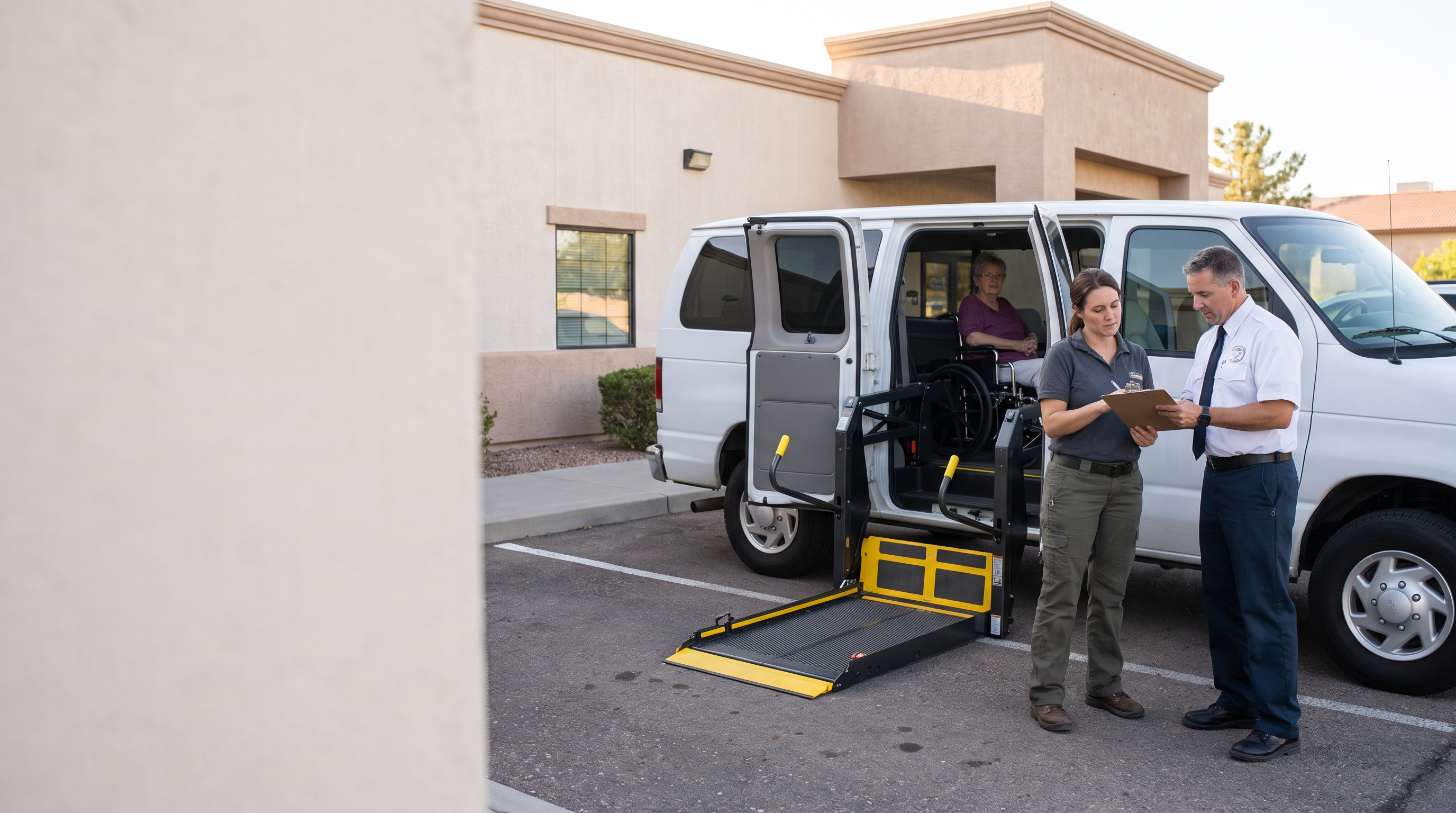 Commercial Insurance
Non-Emergency Medical Transportation Insurance: Passenger Injuries, Wheelchair Lifts, Driver Screening, Contracts & Commercial Auto Limits
Read Article → Commercial Insurance
General Contractor Insurance and Subcontractor Risk: Certificates, Additional Insured Status, Waivers of Subrogation, and Indemnity
Read Article → Commercial Insurance
Pickleball and Padel Club Insurance: Court Injuries, Leagues, Instructors, Alcohol, and Facility Liability
Read Article →Get in Touch
Ready to protect what matters most? Contact us today for a no-obligation insurance review. Our experienced agents are here to help you find the right coverage for your needs.


