



Farm & Ranch Insurance in Oregon: Protecting Property, Equipment, Livestock & Farm Liability
Farm & Ranch Insurance in Oregon: Protecting Property, Equipment, Livestock & Farm Liability

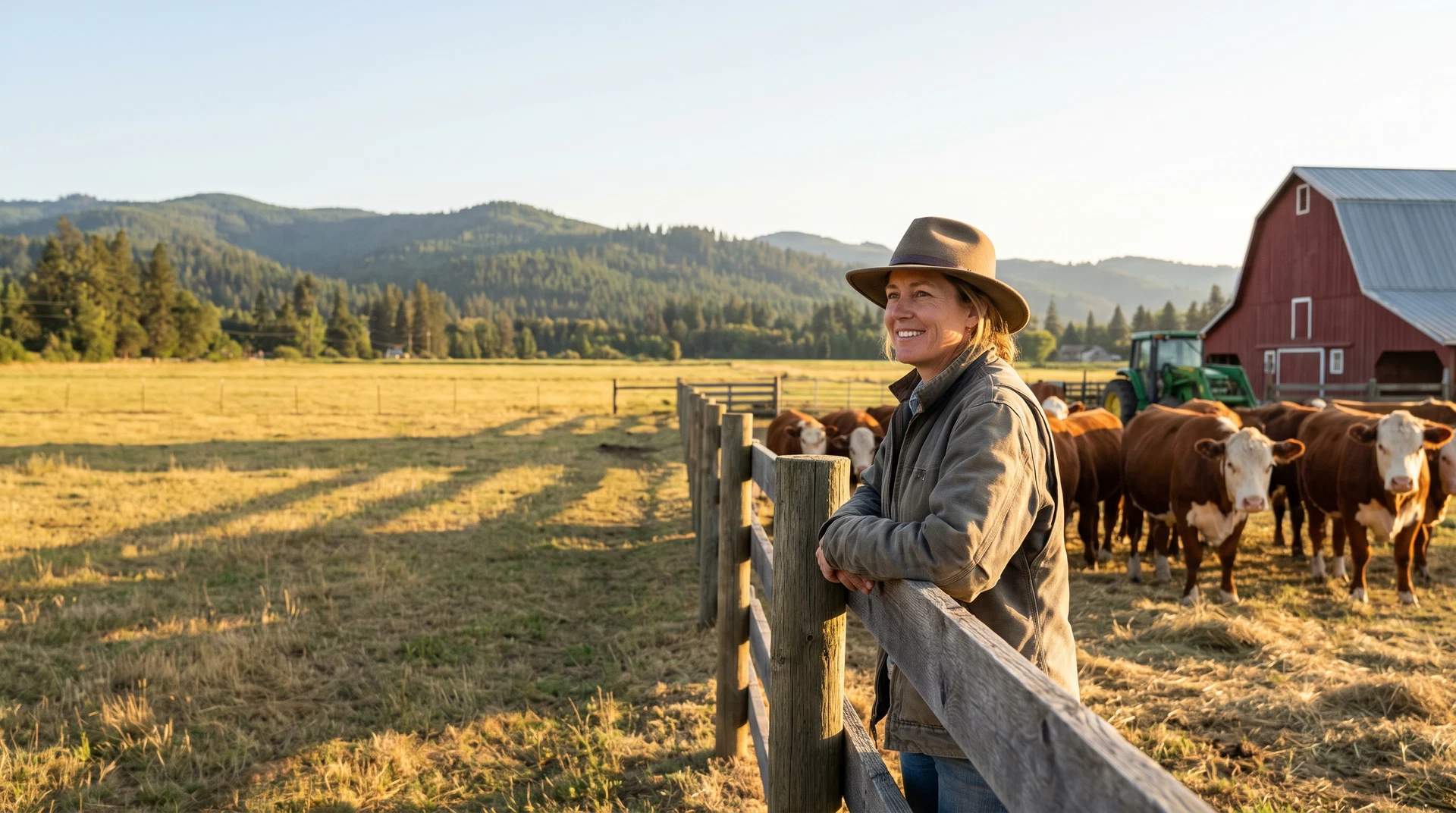
A farm or ranch can be a home, workplace, equipment yard, livestock operation, storage location, and customer destination at the same time. That mix is why a rural property review should begin with the actual operation—not with the assumption that a homeowners policy or a single generic package automatically addresses every activity. For a starting point, compare your operation with Insure Pacific’s Farm & Ranch Insurance guidance and gather the facts that make your property unique.
This article is educational and intended for Oregon farm and ranch owners. Coverage, limits, exclusions, eligibility, valuation, and claim outcomes depend on the policy, carrier, operations, contracts, and circumstances of a loss.
Begin with the operation you actually run
The same acreage may support a cattle herd, horse boarding, hay production, equipment repair, direct-to-consumer sales, leased ground, seasonal help, a farm stand, or visitors. Oregon State University advises farm owners to identify exposures such as weather, crop failure, worker injury, product liability, property damage, and customer activities—and to disclose planned activities candidly when discussing insurance.1
List each activity, building, vehicle, piece of equipment, and income source before renewal. If your ranch includes an equine program, compare its details with Equine Insurance. If cattle, feed, herd values, transport, or breeding stock are important to the operation, bring those values into a Livestock Insurance conversation.
Buildings, contents, and rural property values
Farmhouses, barns, machine sheds, shops, grain or hay storage, fencing, irrigation components, tools, supplies, and rented property do not all have the same ownership, valuation, or cause-of-loss considerations. A property schedule should reflect what exists today, rather than what was in place when the policy was first written. Photograph buildings and equipment, retain invoices, and update values after improvements or major purchases.
Replacement cost, actual cash value, agreed value, functional replacement, blanket limits, separate structure limits, and deductible choices can produce very different results after a loss. A machine shed rebuilt after a wildfire may cost more than its original construction; a shop may contain electrical upgrades, custom tools, or feed-handling components that were not in the original valuation. It is useful to identify which buildings are essential to production, which may be vacant or seasonal, and what it would take to resume operations if one is unavailable. A property review should also address detached dwellings, tenant-occupied buildings, leased facilities, and equipment that belongs to someone else.
Wildfire, wind, snow load, theft, vandalism, water damage, and electrical loss can affect rural locations differently than a typical in-town residence. Oregon owners should also consider access roads, distances to fire protection, outbuilding construction, defensible-space work, and any location-specific underwriting questions. Explore Wildfire Insurance and Wildfire Protection Technology as part of a broader property-readiness discussion.
Equipment should be scheduled and valued for how it travels
Tractors, combines, implements, pivot components, trailers, portable tools, pumps, livestock handling systems, generators, and repair equipment can move between locations or remain at a job site, field, shop, or storage yard. Ask what equipment is owned, leased, financed, borrowed, or transported by employees. The right question is not simply “is it covered?” but which property is scheduled, where it is used, whether rental or borrowed equipment is included, and how values and deductibles would apply.
For mobile machinery, tools, equipment in transit, and property that leaves the main premises, review the distinctions with Inland Marine Insurance. If irrigation systems are a central part of the operation, a separate Pivot Insurance review can help organize equipment, location, and interruption questions.
Create an equipment register that records make, model, serial number, year, purchase date, replacement estimate, lienholder, normal storage location, and the people authorized to use it. That information helps with both underwriting and post-loss documentation. It also highlights equipment that may require a different conversation: hired or rented machinery, employee-owned tools, custom attachments, drones, utility trailers, and equipment that routinely crosses state lines. If a dealer, lender, landlord, or contract requires special wording, bring the requirement to your insurance adviser before signing instead of relying on an informal promise that a certificate will solve the issue.
Crop programs, farm packages, and income disruption answer different questions
A farm package may address physical property and liability exposures, while federal crop or livestock risk-management programs can address specified agricultural production or price risks under their own rules. Those tools can complement one another, but they are not interchangeable. USDA RMA resources emphasize reporting, policy timing, good farming practices, and program-specific obligations.2 A barn fire, stolen implement, injured visitor, damaged pivot, or vehicle collision is not the same question as a crop-yield or price protection program.
For each revenue source, identify what would actually stop after a physical loss: feeding, irrigation, harvesting, boarding, retail sales, contracted delivery, breeding, equipment repair, or employee work. Then ask how long it would take to repair, replace, relocate, or rent equipment. Business-income and extra-expense features vary substantially by policy, so an operation should never assume that every loss of revenue, market opportunity, or weather event is covered. The practical goal is to identify the business dependency before a carrier asks about it.
Livestock and animal-care exposure need a practical review
Livestock value can change with herd composition, market conditions, breeding plans, feeding arrangements, mortality concerns, and the owner’s role in caring for animals. Some ranches also haul animals, host horse events, provide boarding, sell farm products, or allow customers onto the property. Those activities affect both property and liability planning.
Federal crop and livestock programs can be part of an agricultural risk-management strategy, but the USDA Risk Management Agency describes crop insurance as one market-based tool among many.2 It does not replace a discussion of buildings, equipment, vehicles, liability, or workforce risk. For field and crop operations, include Agriculture Insurance in the review.
Farm liability changes when people, products, or contracts change
Liability exposure can arise when an employee is injured, a visitor falls, a customer alleges a product caused harm, a vehicle is involved in an accident, or an operation fails to meet a contractual requirement. It is important to distinguish personal, farm, and commercial activities and to bring leases, boarding agreements, event contracts, vendor agreements, and certificates to the insurance conversation.
For customer-facing activity, farm stands, events, or agritourism, do not rely on assumptions. Your agent needs to know what guests, customers, vendors, contractors, and workers are doing on the property. Consider how General Liability Insurance, Commercial Auto Insurance, and Commercial Umbrella Insurance may fit into a larger program.
Independent Insurance Agency Since 1935
Not Sure If You Have the Right Coverage?
Our licensed agents compare 50+ carriers to find you the best coverage at the right price — at no extra cost to you.
Agritourism, direct sales, and visitor activity need their own questions
U-pick operations, farm tours, weddings, tastings, classes, roadside stands, hay rides, seasonal events, and on-farm retail can create opportunities, but they also change the operation’s exposure. Visitors may interact with uneven ground, animals, vehicles, food products, temporary structures, parking areas, or alcohol service. A waiver may be useful for some activities, but it is not an insurance policy and should be reviewed by qualified legal counsel. Disclose each activity, its schedule, expected attendance, and the role of outside vendors before it begins.
If the operation sells processed foods, animal products, beverages, or other goods, identify where products are manufactured, stored, transported, and sold. Discuss product liability, premises liability, special events, additional insured requests, and vendor certificates using the actual contracts and operations. A farm that begins hosting one autumn event each year should not wait until the week before opening to ask whether the event has been considered in the insurance program.
Workers, seasonal help, and farm vehicles
Payroll, job duties, seasonal labor, family members, contractors, and driver lists should all be current. A worker who drives a pickup, operates machinery, repairs fencing, handles livestock, or works around customers creates a different risk profile than an office employee. Review job classifications and safety practices with a Workers’ Compensation Insurance professional before peak season—not after a loss.
Vehicle reviews deserve the same care. Farm pickups, stock trailers, service vehicles, grain trucks, ATVs, utility carts, and trailers can be used personally, commercially, or both. Driver age, vehicle radius, hauling, employee use, vehicle condition, garaging location, and titled ownership all matter. Do not assume that putting a farm decal on a truck—or occasionally using a personal vehicle for farm work—answers how a policy responds. Bring vehicle registrations, driver lists, trailer details, and the usual type of hauling to the review.
Contracts, leased ground, and outside vendors can move risk back to the farm
Land leases, grazing agreements, custom-hire arrangements, equipment rentals, boarding contracts, processor agreements, construction contracts, and lender documents can transfer obligations that are broader than the basic description of the operation. Read the insurance paragraph, indemnity provision, waiver, and certificate requirements before signing. Ask whether you must add another party as an additional insured, waive subrogation, insure property you do not own, or meet a specified limit.
When outside contractors work on a ranch—such as fence crews, electricians, roofers, equipment technicians, or excavation firms—retain current certificates and contracts. A certificate is evidence of insurance at a point in time; it is not a substitute for understanding the contractor’s work, agreement, or scope. Keep copies with the project file so they are available if the project later becomes part of a claim or dispute.
A renewal checklist that is worth bringing to the conversation
Before renewal, organize a building and equipment inventory; recent purchase invoices; livestock records; payroll and job descriptions; driver lists; leases and customer agreements; certificates from contractors; loss history; photos; and any lender, landlord, or contract insurance requirements. Ask how valuation, deductibles, exclusions, endorsements, business-income issues, and policy responsibilities apply to the facts of your farm or ranch.
| Review area | Prepare these details before the conversation |
|---|---|
| Property | Building use, construction, improvement cost, occupancy, photos, values, protection features, and mortgages or leases. |
| Equipment | Serial-number register, ownership, storage, use away from premises, rented or borrowed items, and replacement estimates. |
| Livestock | Animal type, counts, values, mortality concerns, boarding or care arrangements, transport, and ownership records. |
| Liability | Visitors, events, retail sales, tours, products, leases, customer agreements, and work performed for others. |
| Vehicles and people | Current vehicle list, trailers, drivers, seasonal payroll, job duties, subcontractors, and safety procedures. |
| Continuity | Critical equipment, alternative work locations, repair-time assumptions, seasonal deadlines, and essential vendor dependencies. |
Ready for a tailored review? Request a Farm & Ranch Insurance quote, call Insure Pacific at (541) 238-7775, or text the agency to begin with the property and operations you have today.
References
[1] Oregon State University Small Farms Program — Business Planning: Risk Management and Insurance
Our Licensed Coverage Area
States highlighted in blue are states where Insure Pacific holds an active insurance license.
Hover to highlight — click a state to visit its insurance page
Our Oregon Office Locations
Hover over a marker to see the office — click to visit their website.
Hover to highlight — click to visit that office's website
Ready to Get Protected?
Talk to a Local Oregon Insurance Expert
Insure Pacific has been serving Oregon families and businesses since 1935. We work with 50+ carriers so you get real options — not just one company's answer.
Related Articles
 Farm & Ranch
One Ranch, Several Policies: Coordinating Home, Farm, Commercial Auto, and Umbrella Insurance
Read Article → Farm & Ranch
Cattle Ranch Insurance in the American West: The Complete Guide to Property, Livestock, Equipment, Liability, and Income Protection
Read Article → Farm & Ranch
Custom Grazing Insurance: Who Covers Cattle, Fences, Pasture, Death Loss, and Liability?
Read Article → Farm & Ranch
Grain Bin and Feed Storage Insurance: Collapse, Wind Damage, Contamination, and Stored Commodities
Read Article →Get in Touch
Ready to protect what matters most? Contact us today for a no-obligation insurance review. Our experienced agents are here to help you find the right coverage for your needs.


