

Ranch Insurance in Oregon and the American West: The Complete Guide for 2026
Ranch Insurance in Oregon and the American West: The Complete Guide for 2026

A ranch is not a house with a big yard. It is a working enterprise — livestock, equipment, structures, crops, water rights, employees, and visitors — all operating simultaneously across hundreds or thousands of acres in some of the most weather-exposed terrain in North America. Standard homeowners insurance was never designed to cover any of it. Yet every year, ranchers across Oregon, Idaho, Montana, Colorado, Nevada, and California discover this gap the hard way: after a wildfire, a livestock loss, a visitor injury, or an equipment breakdown that their policy doesn't cover. This guide explains exactly what ranch insurance covers, what it costs, and why the American West's unique risks demand a specialist who understands agricultural operations.
Whether you run a cattle operation in Crook County, a horse property in the Willamette Valley, a hay farm in the Harney Basin, or a working guest ranch in the Colorado Rockies, this is the coverage guide you need before your next renewal — or before the next fire season begins.
Your Homeowners Policy Does NOT Cover Ranch Operations
This is the most dangerous misconception in agricultural insurance. Standard homeowners policies explicitly exclude or severely limit coverage for farm and ranch operations, livestock, farm equipment, and agricultural liability. If you operate any kind of agricultural business on your property — even a small one — you need a dedicated farm and ranch policy. The gap is not a technicality. It is the difference between recovering from a loss and losing everything.
Is Your Ranch Properly Insured?
Insure Pacific has been insuring Oregon farms and ranches since 1935. Our agricultural insurance specialists compare 50+ carriers — including specialty ag markets — to find the right coverage for your specific operation. One conversation, full market comparison, no cost to you.
What Is Ranch Insurance — And How Is It Different from Farm Insurance?
The terms "farm insurance" and "ranch insurance" are often used interchangeably, and in most insurance markets they refer to the same product: a specialized agricultural package policy that combines property, liability, livestock, equipment, and crop coverage under a single contract. The distinction, where it exists, is largely operational: farms tend to focus on crop production, while ranches emphasize livestock grazing, breeding, and related operations. In practice, most Western agricultural operations involve both, and the insurance product is designed to cover the full spectrum.
What sets farm and ranch insurance apart from every other type of property insurance is its agricultural specificity. A ranch policy is built around the unique exposures of working land: livestock that can die, equipment that operates in harsh conditions, structures spread across hundreds of acres, employees who work in physically demanding environments, and visitors who may be unfamiliar with agricultural hazards. No standard homeowners, commercial property, or business owner's policy addresses all of these exposures in a single contract.
The 8 Core Coverages Every Western Ranch Needs
A comprehensive ranch insurance program from an independent agency like Insure Pacific typically includes the following eight coverage components. Not every ranch needs every component at the same level, but understanding what each covers — and what it doesn't — is essential to building a program that actually protects your operation.
1. Ranch Dwelling and Structures
Covers the ranch house, guest quarters, bunkhouses, and other residential structures from fire, wind, hail, lightning, and other covered perils. Unlike a standard homeowners policy, a ranch dwelling endorsement is designed to coexist with agricultural operations on the same property — meaning your coverage doesn't evaporate because you run cattle or host guests. Replacement cost coverage is critical here: construction costs in rural Western areas have increased 40-60% since 2020, and many ranchers are significantly underinsured on their structures.
2. Farm and Ranch Structures
Covers barns, hay storage, equipment sheds, corrals, fencing, irrigation infrastructure, and other agricultural structures. This is a distinct coverage from the dwelling — it applies to the working buildings and infrastructure of the ranch rather than the residence. Fencing alone can represent hundreds of thousands of dollars of value on a large Western ranch, and it is frequently underinsured or entirely excluded from inadequate policies.
3. Farm Equipment and Machinery
Covers tractors, balers, combines, irrigation equipment, ATVs, UTVs, and other farm machinery from breakdown, collision, fire, theft, and other covered perils. Equipment coverage on a ranch policy is analogous to inland marine coverage for contractors — it follows the equipment wherever it operates, not just at a fixed location. A single modern tractor can represent $150,000-$400,000 in value; a hay operation's full equipment inventory can easily exceed $1 million.
4. Livestock Insurance
Covers cattle, horses, sheep, goats, and other livestock from death due to accident, illness, fire, lightning, drowning, and other covered perils. Livestock insurance comes in two primary forms: blanket coverage (a single limit covering all animals) and scheduled coverage (individual animals listed by value). For high-value breeding stock, bulls, or horses, scheduled individual animal mortality coverage is essential. A single registered Angus bull can represent $10,000-$50,000 in value; a performance horse may be worth $100,000 or more.
5. Crop and Hay Insurance
Covers hay, grain, and other crops from fire, hail, wind, and other covered perils. For larger operations, USDA Risk Management Agency (RMA) crop insurance programs provide yield and revenue protection against drought, flood, frost, and other natural disasters. Insure Pacific works with RMA-approved providers and can help ranchers navigate both private and federal crop insurance options. In drought-prone areas of Eastern Oregon, Idaho, Nevada, and Colorado, hay and forage crop insurance is often the most critical single coverage on the policy.
6. Farm Liability
Protects your ranch from third-party bodily injury and property damage claims — including injuries to visitors, employees, and neighboring property owners. Standard farm liability limits start at $300,000 per occurrence, but most Western ranches should carry at least $1 million given the physical hazards of agricultural operations. If you host any visitors — hunting guests, agritourism customers, farm stand shoppers — you need specific agritourism liability coverage, which is a separate endorsement from standard farm liability.
7. Farm Auto
Covers farm trucks, pickups, trailers, and other vehicles used in ranch operations. Farm auto coverage is distinct from personal auto insurance and commercial fleet insurance — it is specifically designed for vehicles that serve dual purposes (personal and agricultural) and for vehicles that operate both on and off public roads. Many ranchers unknowingly have coverage gaps because their personal auto policy excludes vehicles used for business purposes.
8. Workers' Compensation
Required by Oregon law for farms and ranches with employees. Agricultural workers' compensation covers medical expenses and lost wages for ranch employees injured on the job — and agricultural work consistently ranks among the most dangerous occupations in the United States. Even ranches with only seasonal or part-time employees are typically required to carry workers' comp, and the penalties for non-compliance in Oregon are significant.
The 5 Biggest Insurance Risks for Western Ranches in 2026
Ranch insurance in the American West is not the same as ranch insurance in the Midwest or the South. The combination of wildfire exposure, drought, extreme weather events, predator pressure, and a tightening insurance market has created a set of challenges that are unique to Western agricultural operations. Here is what every Western rancher needs to understand about the current risk landscape.
Wildfire: The Existential Risk for Western Ranches
Wildfire is the single greatest insurance threat facing Western ranches today — and it is getting harder to address. Since 2022, at least seven of the 12 largest insurers in the country have pulled out of or significantly altered their wildfire coverage in California, and the trend has spread to Oregon, Idaho, Colorado, and Nevada. One Colorado ranch manager interviewed by the Western Landowners Alliance described receiving a 400% rate increase from his carrier — 'their way of dropping you without dropping you.' For Oregon ranches in fire-prone areas, the challenge is not just cost but availability: some carriers have stopped writing new policies in high-risk zones entirely.
What to do: Work with an independent agency that has access to specialty and surplus lines markets. Insure Pacific works with carriers who still write wildfire-exposed agricultural properties — but the window for standard market coverage is narrowing. Don't wait until your renewal to find out you've been non-renewed.
Drought and Forage Loss
Eastern Oregon, southern Idaho, Nevada, and Colorado's high desert have experienced multi-year drought cycles that have devastated hay production, depleted water rights, and forced ranchers to sell cattle at distressed prices. Standard ranch policies cover physical losses (fire, hail, wind) but not drought-related forage loss. USDA Livestock Forage Disaster Program (LFP) and Pasture, Rangeland, and Forage (PRF) insurance programs provide some protection, but enrollment deadlines are strict and coverage is complex. Ranchers who don't work with an agricultural insurance specialist often miss enrollment windows or carry inadequate coverage.
What to do: Ask your agent specifically about PRF insurance and USDA LFP eligibility. These programs are underutilized by Oregon and Western ranchers who don't know they exist.
Catastrophic Weather Events
Hailstorms, ice storms, and extreme wind events cause significant losses to ranch structures, equipment, and crops across the American West. Oregon's Willamette Valley and Columbia Basin are particularly vulnerable to late-season hail that can destroy hay crops and damage equipment. Eastern Oregon and the Great Basin face extreme wind events that can collapse structures and spread wildfire. Most ranch policies cover these perils, but coverage limits, deductibles, and valuation methods (actual cash value vs. replacement cost) vary significantly between carriers.
What to do: Verify that your ranch structures and equipment are insured at replacement cost, not actual cash value. ACV policies pay depreciated value — which for a 20-year-old barn may be a fraction of what it costs to rebuild.
Livestock Predation and Disease
Livestock losses from predators — coyotes, mountain lions, bears, and wolves — are a significant and growing concern for Oregon and Western ranchers. Standard ranch policies typically cover livestock death from named perils (fire, lightning, drowning, accident) but may exclude predation or disease losses. Individual animal mortality policies for high-value breeding stock provide broader coverage, including death from illness and injury. Oregon's wolf population has expanded significantly in recent years, and ranchers in Eastern Oregon, the Blue Mountains, and the Wallowa Valley face increasing predation pressure.
What to do: If you carry high-value breeding stock, bulls, or performance horses, ask your agent about individual animal mortality coverage. Blanket livestock policies often have per-animal sublimits that leave you underinsured on your most valuable animals.
Agritourism Liability
Agritourism is booming across Oregon and the American West — farm stays, u-pick operations, hunting leases, farm dinners, corn mazes, and guest ranch experiences are generating significant revenue for agricultural operations. But every visitor is a potential liability claim. Oregon's ORS 30.930 provides some limited liability protection for agritourism operators, but it does not eliminate liability for gross negligence, and it does not substitute for insurance. A single serious injury to a visitor can generate a claim that exceeds standard farm liability limits, particularly if the visitor is a child or if the injury involves a vehicle, animal, or piece of equipment.
What to do: If you host any visitors for any purpose — even informal — confirm with your agent that your policy includes agritourism liability coverage. This is a specific endorsement, not automatic in standard farm liability.
Is Your Ranch Ready for Wildfire Season?
Wildfire coverage for Western ranches is tightening fast. Don't wait until your renewal to find out your carrier has non-renewed or your limits are inadequate. Insure Pacific's agricultural specialists can review your current coverage and find alternatives before fire season peaks.
Ranch Insurance Across the American West: State-by-State Considerations
Ranch insurance requirements and market conditions vary significantly across Western states. Here is what ranchers in each major agricultural state need to know about their specific insurance environment.
| State | Key Agricultural Products | Primary Insurance Challenges | Market Conditions |
|---|---|---|---|
| Oregon | Cattle, hay, wheat, specialty crops, horses | Wildfire exposure in Eastern/Central OR; wolf predation; drought | Tightening but accessible via independent agents with specialty markets |
| Idaho | Cattle, dairy, potatoes, wheat, hay | Wildfire in southern/central ID; equipment values; irrigation infrastructure | Moderately available; some carrier pullbacks in high-fire zones |
| Montana | Cattle, wheat, hay, horses | Extreme weather; large acreage; remote location surcharges | Specialty markets essential; limited standard carrier appetite for large ranches |
| Colorado | Cattle, hay, horses, agritourism | Wildfire (Marshall Fire 2021); 400%+ rate increases; carrier exits | Significantly hardened; surplus lines increasingly necessary |
| Nevada | Cattle, hay, horses | Drought; remote properties; limited carrier options | Challenging; specialty and surplus lines often required |
| California | Cattle, horses, vineyards, specialty crops | Severe wildfire market; carrier exits; FAIR Plan limitations | Most difficult in the West; FAIR Plan + surplus lines often the only option |
| Washington | Cattle, wheat, apples, hops, horses | Eastern WA wildfire; irrigation equipment values | Moderately available; standard markets still writing most operations |
| Arizona | Cattle, horses, hay | Drought; heat; limited water; remote properties | Specialty markets required for large operations |
How Much Does Ranch Insurance Cost in Oregon and the American West?
Ranch insurance premiums vary enormously based on operation size, location, livestock values, equipment inventory, wildfire exposure, and claims history. The following ranges represent typical annual premiums for Oregon and Western ranch operations in 2026, but individual quotes can vary significantly from these benchmarks.
Small Ranch (under 500 acres, limited livestock)
$2,500 – $6,000/year
Basic dwelling, structures, farm liability, limited equipment
Mid-Size Cattle Ranch (500-2,000 acres)
$6,000 – $18,000/year
Full package: dwelling, structures, equipment, livestock, liability
Large Working Ranch (2,000+ acres)
$18,000 – $60,000+/year
Comprehensive coverage; specialty markets often required
Horse Property / Equestrian Ranch
$3,500 – $12,000/year
Includes equine liability; individual mortality for high-value horses extra
Agritourism / Guest Ranch
$5,000 – $20,000/year
Agritourism liability endorsement required; event coverage may be separate
Wildfire High-Risk Zone Surcharge
+30% to +200%
Applies in designated high-risk zones; some areas surplus lines only
Why Ranch Insurance Premiums Are Rising in 2026
Ranch insurance premiums across the American West have increased 25-60% in the past three years, driven by wildfire losses, construction cost inflation, livestock value increases, and carrier market exits. The ranchers who are managing this best are those working with independent agents who have access to 10, 20, or 50+ carriers — not those locked into a single captive carrier that may be pulling back from agricultural risks. An independent agent can shop your ranch across multiple markets and find the carrier still willing to write your specific operation at a competitive rate.
5 Things a Standard Homeowners Policy Won't Cover on Your Ranch
Many ranchers — particularly those who started with a small operation and grew over time — are still carrying a standard homeowners policy that has never been updated to reflect their agricultural activities. Here are the five most common coverage gaps that leave Western ranchers exposed.
Livestock losses
Standard homeowners policies exclude livestock entirely. If your cattle die in a fire, drown in a flood, or are killed by a predator, your homeowners policy will not pay.
Farm equipment
Tractors, balers, and other farm machinery are excluded from standard homeowners policies. Equipment worth hundreds of thousands of dollars has zero coverage.
Agricultural liability
If a visitor is injured on your ranch — at a farm stand, during a hunting lease, or just while visiting — your homeowners liability coverage typically excludes business activities. A lawsuit could reach into the millions.
Farm structures
Barns, equipment sheds, corrals, and fencing are typically excluded or severely sublimited on standard homeowners policies. A barn fire can easily exceed $200,000 in losses.
Employee injuries
If you have any employees — including seasonal and part-time workers — Oregon law requires workers' compensation coverage. A homeowners policy provides none.
Ranch Insurance Checklist: What Every Western Rancher Should Verify
Use this checklist to evaluate your current ranch insurance program. If you can't answer "yes" to all of these questions, it's time to schedule a coverage review with an agricultural insurance specialist.
Do you have a dedicated farm and ranch policy — not just a homeowners policy with a farm endorsement?
Are your ranch structures (barn, equipment shed, corrals) insured at current replacement cost — not actual cash value?
Is your farm equipment inventory current and insured at replacement value, including any equipment purchased in the last 12 months?
Do you have livestock insurance that covers your most valuable animals — including individual mortality coverage for high-value bulls, breeding stock, or horses?
Does your farm liability coverage include agritourism liability if you host any visitors, hunters, or customers?
Do you have equine liability coverage if you keep horses — even for personal use?
Is your wildfire coverage adequate given your location, and has your carrier confirmed they are not planning to non-renew?
Do you carry workers' compensation if you have any employees — including seasonal or part-time workers?
Have you reviewed your policy limits in the last 12 months given construction cost inflation and livestock value increases?
Are you working with an independent agent who has access to specialty agricultural markets — not just one or two standard carriers?
Why Western Ranchers Need an Independent Agent — Not a Captive Carrier
The ranch insurance market in the American West is not a commodity. As carriers have pulled back from wildfire-exposed and high-risk agricultural areas, the difference between working with an independent agent and a captive agent has become the difference between having coverage and not having it. A captive agent represents one carrier. When that carrier stops writing your area, stops writing your operation type, or raises your rates by 200%, the captive agent has no alternative to offer you. An independent agent like Insure Pacific represents 50+ carriers — including specialty agricultural markets and surplus lines carriers that standard agents don't have access to.
Insure Pacific has been insuring Oregon farms and ranches since 1935. We were founded in Central Oregon's agricultural heartland — Crook County, Jefferson County, and the surrounding high desert — and our agents understand the specific risks of Western agricultural operations in a way that a national call center never will. We know what it means when a rancher says their operation is in a fire zone. We know the difference between a hay farm and a cattle ranch. And we know which carriers are still writing agricultural properties in your area — and which ones aren't.
Protect Your Ranch. Protect Your Legacy.
Insure Pacific has been protecting Oregon farms and ranches since 1935. Our agricultural insurance specialists compare 50+ carriers — including specialty markets for wildfire-exposed properties — to build the right program for your operation. Call us or request a free quote online.
Frequently Asked Questions: Ranch Insurance in Oregon and the American West
What is the difference between a farm policy and a homeowners policy with a farm endorsement?
A dedicated farm and ranch policy is a standalone agricultural insurance contract that is purpose-built for farming and ranching operations. It includes full coverage for livestock, farm equipment, agricultural structures, farm liability, and agritourism — all in a single policy. A homeowners policy with a farm endorsement is a residential policy with limited agricultural add-ons that typically have sublimits, exclusions, and gaps that leave working ranches significantly underinsured. For any operation with meaningful livestock, equipment, or agricultural activity, a dedicated farm policy is essential.
Does ranch insurance cover wildfire in Oregon?
Most standard ranch policies include fire coverage, which covers wildfire damage to structures, equipment, and livestock. However, in high-risk wildfire zones — particularly in Eastern Oregon, Central Oregon, and the Cascades foothills — some carriers are restricting coverage, increasing deductibles, or non-renewing policies. If your ranch is in a designated high-risk fire zone, it is critical to work with an independent agent who has access to specialty and surplus lines markets that still write wildfire-exposed agricultural properties.
Is livestock insurance required for Oregon ranchers?
No, livestock insurance is not legally required in Oregon. However, for any rancher with significant livestock values — particularly breeding stock, bulls, or horses — it is essential protection. A single disease outbreak, wildfire, or flooding event can kill dozens of animals. Without livestock insurance, that loss comes entirely out of the rancher's pocket. Individual animal mortality coverage for high-value animals is a separate product from blanket livestock coverage and is worth discussing with your agent.
What is agritourism liability insurance and do I need it?
Agritourism liability insurance covers bodily injury and property damage claims from visitors to your farm or ranch — including farm stand customers, hunting lease guests, farm dinner attendees, and anyone else who visits your property for a commercial purpose. Oregon's ORS 30.930 provides limited liability protection for agritourism operators, but it does not eliminate liability for gross negligence. If you host any visitors for any commercial purpose, you need agritourism liability coverage as a specific endorsement on your farm policy.
How do I insure a high-value horse or bull?
High-value horses and bulls are typically insured under individual animal mortality policies, which cover death from accident, illness, injury, and other covered perils. These are separate from blanket livestock coverage and are priced based on the individual animal's value, use, age, and health history. For horses, equine mortality insurance can also include major medical coverage for veterinary expenses. Insure Pacific specializes in equine and livestock insurance for Oregon ranchers and can help you structure the right coverage for your most valuable animals.
What happens if my carrier non-renews my ranch policy?
Non-renewal notices are becoming more common for Western ranches in wildfire-exposed areas. If you receive a non-renewal notice, you typically have 30-60 days to find replacement coverage. Do not wait — contact an independent agent immediately. Independent agents with access to specialty agricultural markets and surplus lines carriers can often find replacement coverage that a captive agent cannot. If no standard market will write your property, FAIR Plans (available in some Western states) and surplus lines carriers are options of last resort.
Our Licensed Coverage Area
States highlighted in blue are states where Insure Pacific holds an active insurance license.
Hover to highlight — click a state to visit its insurance page
Our Oregon Office Locations
Hover over a marker to see the office — click to visit their website.
Hover to highlight — click to visit that office's website
Ready to Get Protected?
Talk to a Local Oregon Insurance Expert
Insure Pacific has been serving Oregon families and businesses since 1935. We work with 50+ carriers so you get real options — not just one company's answer.
Related Articles
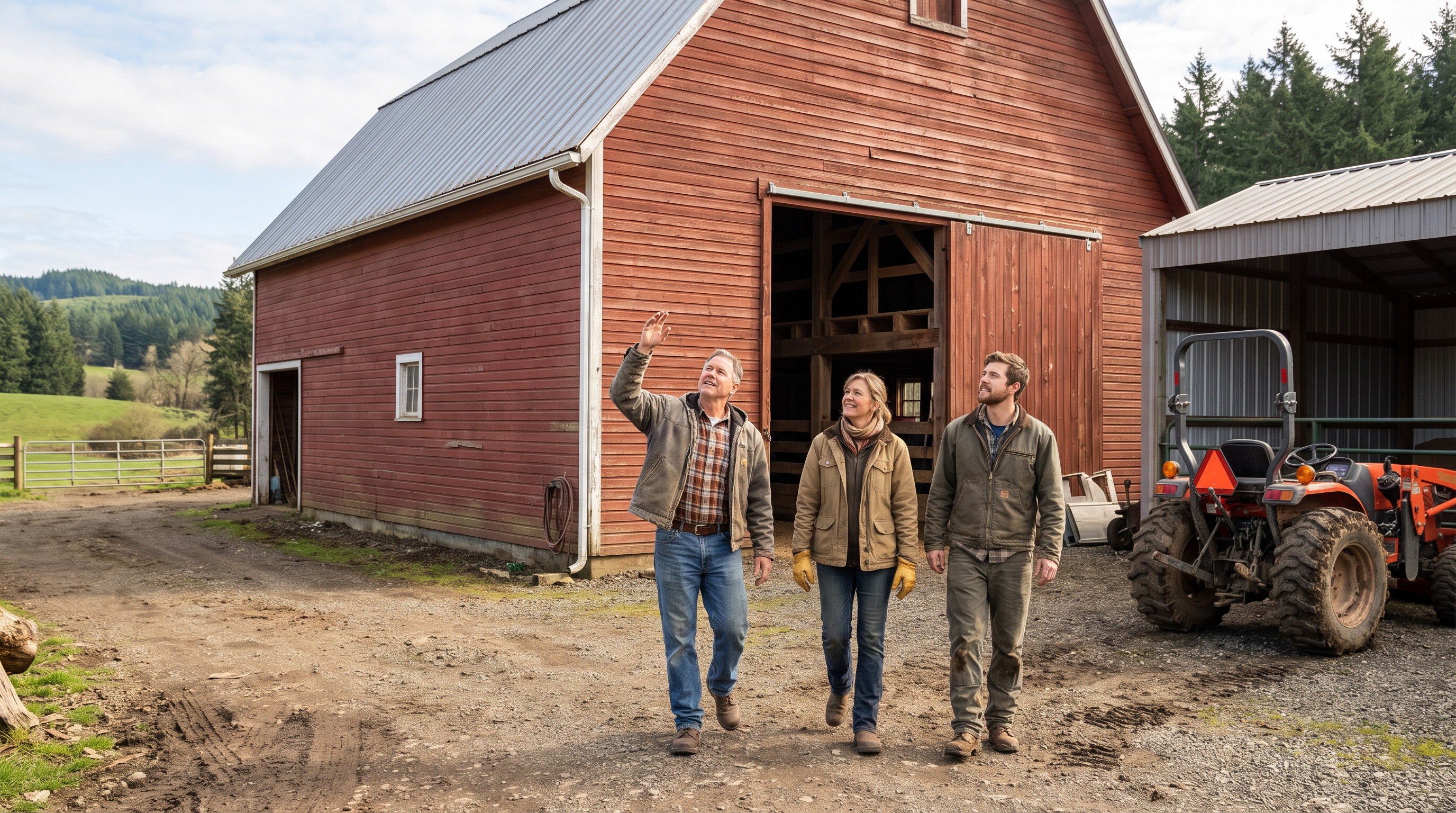 Farm & Ranch
Barn and Farm Building Insurance: Replacement Cost, Older Structures, and Rebuilding After a Loss
Read Article →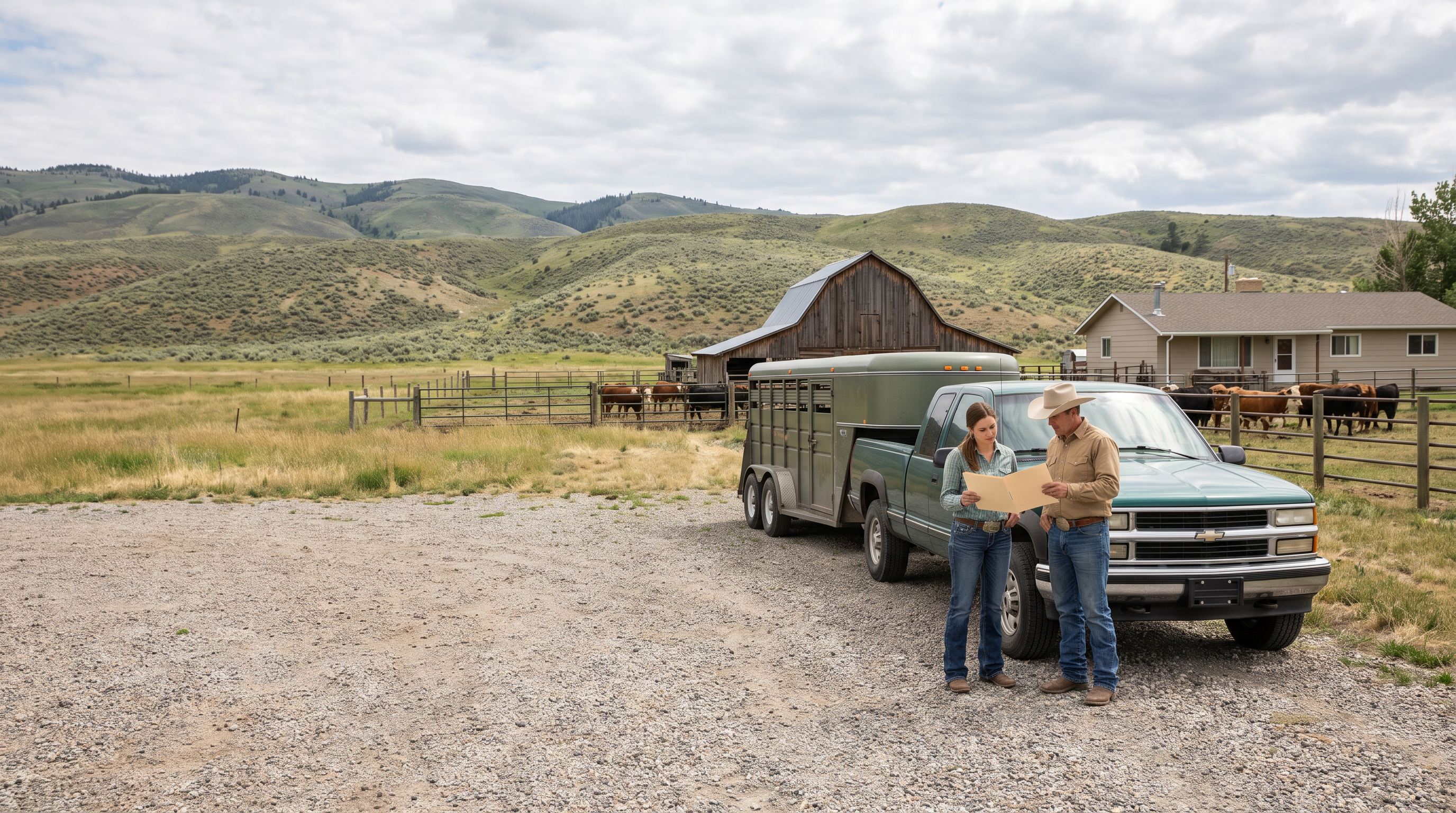 Farm & Ranch
One Ranch, Several Policies: Coordinating Home, Farm, Commercial Auto, and Umbrella Insurance
Read Article →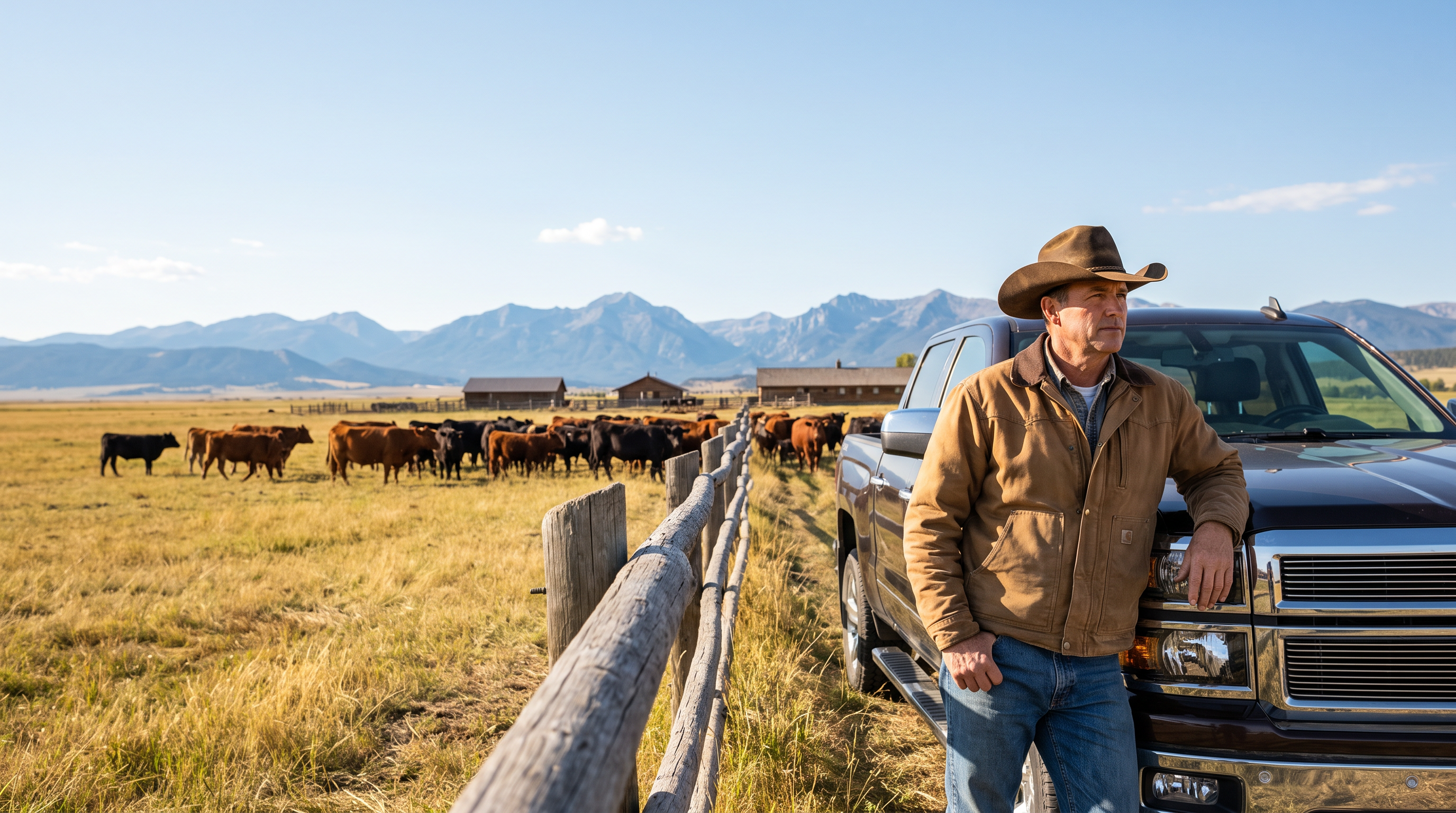 Farm & Ranch
Cattle Ranch Insurance in the American West: The Complete Guide to Property, Livestock, Equipment, Liability, and Income Protection
Read Article →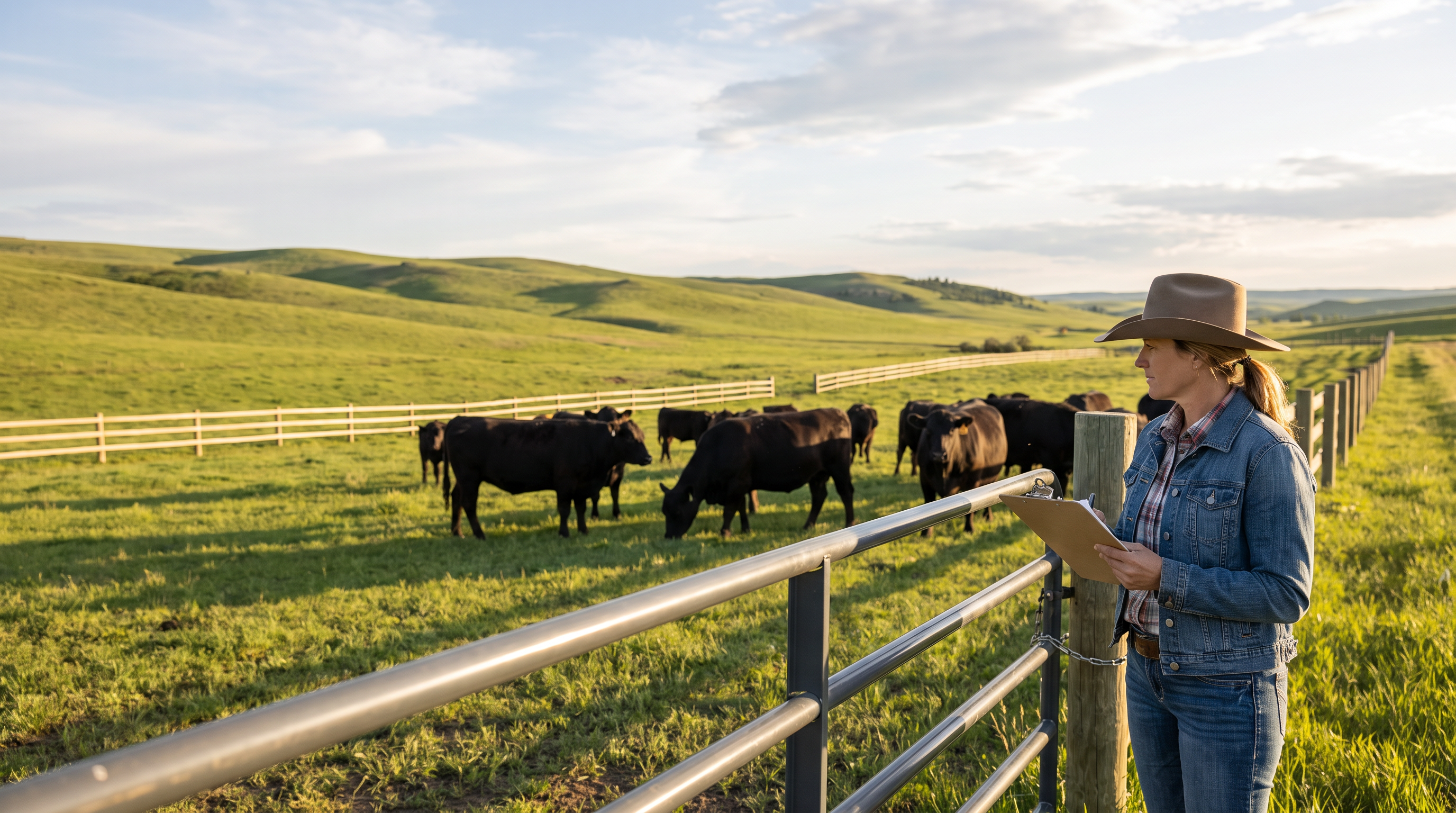 Farm & Ranch
Custom Grazing Insurance: Who Covers Cattle, Fences, Pasture, Death Loss, and Liability?
Read Article →Get in Touch
Ready to protect what matters most? Contact us today for a no-obligation insurance review. Our experienced agents are here to help you find the right coverage for your needs.