



Nonprofits: Why Local Matters for Insurance


Nonprofits are the connective tissue of Oregon communities. From youth sports leagues in Bend to food banks in Prineville to arts organizations in Sisters, nonprofits deliver services that government cannot and businesses will not. They operate on thin margins, rely heavily on volunteers, and often make insurance decisions based on what is cheapest rather than what is right — because every dollar spent on overhead feels like a dollar taken from the mission.
But the risks nonprofits face are real, and the consequences of inadequate coverage can be mission-ending. A single liability claim, a board member dispute, or a volunteer injury can generate legal costs that overwhelm an organization's reserves. And unlike for-profit businesses, nonprofits often cannot simply raise prices or cut services to absorb a financial shock.
At Insure Pacific, we have been protecting Oregon nonprofits for decades. We understand the unique exposures — volunteer liability, special events, D&O claims, sexual abuse and molestation coverage for youth-serving organizations — and we know how to build coverage programs that are both comprehensive and affordable. This guide explains why working with a local independent agent matters for your nonprofit, and what coverage you actually need.
The nonprofit insurance trap: Many nonprofits buy the cheapest available policy — often a basic commercial general liability policy — and assume they are covered. They are not. Volunteer injuries, D&O claims, sexual abuse allegations, and special event liability are all commonly excluded from basic CGL policies. The gap between what a nonprofit thinks it has and what it actually has is often enormous.
Why Local Matters for Nonprofit Insurance
A national insurance carrier or an online broker can sell you a nonprofit policy. But they cannot attend your annual gala, understand why your volunteer base triples in the summer, or know that your organization runs a wilderness program that requires specialized liability coverage. Local knowledge is not a soft benefit — it is a material advantage when it comes to making sure your coverage actually fits your operation.
Central Oregon's nonprofit landscape is distinctive. Organizations here deal with wildfire risk, outdoor recreation liability, rural service delivery, and a volunteer culture that is deeply embedded in the community. A local agent who understands these dynamics can build a coverage program that reflects your actual risk — not a generic nonprofit template designed for an urban social services organization on the East Coast.
Community Relationships
Insure Pacific agents are active in the same communities our nonprofit clients serve. We know the local event landscape, the volunteer culture, and the specific risks that Central Oregon nonprofits face — from wildfire evacuation support organizations to river conservation groups to youth outdoor programs.
Carrier Access
We work with carriers who specialize in nonprofit coverage — including carriers that offer package policies specifically designed for 501(c)(3) organizations, with D&O, general liability, and volunteer accident coverage bundled at rates that individual-line purchasing cannot match.
Claims Advocacy
When a claim occurs, having a local agent who knows your organization and can advocate on your behalf with the carrier makes a real difference. We have helped Oregon nonprofits navigate claims that a direct-purchase carrier would have denied or underpaid.
Annual Reviews
Nonprofit operations change constantly — new programs, new facilities, new events, new volunteers. A local agent who knows your organization will flag coverage gaps as your mission evolves, rather than waiting for a claim to reveal them.
Get a Free Nonprofit Coverage Review
Insure Pacific works with nonprofits across Central Oregon and the American West. We review your full coverage portfolio and make sure your mission is protected.
The Coverage Every Oregon Nonprofit Needs
A complete nonprofit insurance program addresses six distinct exposure areas. Most basic nonprofit policies cover only one or two of these. Understanding what each coverage does — and what happens without it — is essential for any nonprofit board or executive director.
General Liability
Covers bodily injury and property damage claims arising from your operations, events, and premises. This is the foundation of any nonprofit insurance program. For organizations that host public events, higher limits or a special events endorsement may be needed. The standard $1 million per occurrence / $2 million aggregate limit is often insufficient for organizations with significant event activity.
Directors & Officers (D&O) Liability
Protects board members and officers from personal liability for decisions made on behalf of the organization. D&O claims against nonprofits are more common than most boards realize — employment disputes, donor complaints, governance challenges, and grant mismanagement allegations can all generate D&O claims. Without D&O coverage, board members face personal liability that can deter qualified candidates from serving.
Volunteer Accident Coverage
Covers medical expenses for volunteers injured while performing services for your organization. Standard liability policies do not cover volunteer injuries — this requires a separate volunteer accident policy or endorsement. For organizations with large volunteer programs, this is essential. Oregon courts have increasingly held nonprofits responsible for volunteer injuries, particularly in outdoor and physical activity settings.
Employment Practices Liability (EPLI)
Covers claims by employees (or volunteers treated as employees) for wrongful termination, discrimination, harassment, and similar employment-related claims. Even small nonprofits with a handful of paid staff face EPLI exposure. The cost of defending an EPLI claim — even a meritless one — can easily exceed $50,000.
Sexual Abuse & Molestation (SAM)
For nonprofits that work with children, youth, or vulnerable adults, SAM coverage is not optional — it is essential. Standard CGL policies exclude sexual abuse claims. A standalone SAM policy or endorsement is required, and most funders, government partners, and grant-making foundations now require it as a condition of funding. The reputational and financial consequences of an uninsured SAM claim can permanently end an organization.
Special Events Coverage
If your organization hosts fundraisers, galas, outdoor events, or community gatherings, your standard liability policy may not cover them — especially if they involve alcohol, third-party vendors, or off-premises locations. Special events coverage fills this gap. For organizations that host multiple events per year, an annual special events endorsement is more cost-effective than purchasing per-event coverage.
Special Considerations for Youth-Serving Nonprofits
Youth-serving nonprofits — sports leagues, after-school programs, camps, mentoring organizations, and youth outdoor programs — face a distinct and elevated risk profile that requires specialized coverage. The combination of physical activity, vulnerable participants, and volunteer supervision creates exposures that standard nonprofit policies are not designed to address.
Mandatory Reporter Training and Documentation
Oregon law requires mandatory reporter training for employees and volunteers who work with children. Documenting this training is not just a legal requirement — it is a critical risk management practice that demonstrates due diligence to insurers and courts. Organizations that cannot document mandatory reporter training face higher premiums and reduced coverage options.
Background Check Requirements
Most SAM insurers require documented background check procedures for all employees and volunteers who have contact with minors. The background check requirement is not just about finding bad actors — it is about demonstrating that your organization has a systematic approach to child protection. Insurers view undocumented or inconsistent background check practices as a significant red flag.
Participant Accident Coverage
Volunteer accident coverage protects your volunteers. Participant accident coverage protects the youth participants in your programs. Both are needed for youth-serving organizations. Participant accident coverage pays medical expenses for injured participants regardless of fault — reducing the likelihood that a participant injury becomes a liability claim.
Transportation Liability
If your organization transports youth — to games, camps, field trips, or program activities — you need commercial auto coverage or a non-owned auto endorsement that specifically covers youth transportation. Personal auto policies of volunteer drivers may not cover transportation of youth for organizational purposes.
Directors & Officers Liability: Protecting Your Board
Directors and Officers (D&O) liability insurance is one of the most important — and most commonly skipped — coverages for nonprofit organizations. Many nonprofit boards operate under the mistaken belief that their personal liability is limited because they are volunteers serving a charitable organization. This belief is incorrect, and the consequences of acting on it can be personally devastating.
Oregon's nonprofit corporation law provides some protection for board members acting in good faith, but this protection has limits. Employment-related claims, financial mismanagement allegations, and decisions that harm donors or beneficiaries can all generate personal liability for board members that state law does not shield. D&O insurance covers the cost of defending these claims and pays any resulting settlements or judgments.
| Common D&O Claim Type | Who Files the Claim | Typical Cost |
|---|---|---|
| Wrongful termination of an employee | Former employee | $25,000–$150,000 in defense costs; settlements vary widely |
| Harassment or discrimination allegation | Current or former employee or volunteer | $30,000–$200,000+ including defense and settlement |
| Mismanagement of grant funds | Grant-making foundation or government agency | $20,000–$100,000+ in legal fees; potential repayment demands |
| Breach of fiduciary duty | Donors, members, or state attorney general | $50,000–$500,000+ depending on the size of the alleged breach |
| Conflict of interest allegation | Board members, donors, or regulatory agencies | $15,000–$75,000 in investigation and defense costs |
Managing Nonprofit Insurance Costs Without Cutting Coverage
Nonprofit insurance budgets are real constraints. The goal is not to buy the most expensive coverage available — it is to buy the right coverage at the best available price. Here are the strategies Insure Pacific uses to help Oregon nonprofits get comprehensive coverage without overpaying.
Nonprofit Package Policies
Many carriers offer nonprofit-specific package policies that bundle general liability, D&O, volunteer accident, and EPLI at a combined rate that is significantly lower than purchasing each coverage separately. These packages are often the most cost-effective option for small to mid-size nonprofits.
Risk Management Credits
Insurers offer premium credits for documented risk management practices — background checks, mandatory reporter training, volunteer orientation programs, and written policies. Implementing and documenting these practices can reduce your premium by 10–25%.
Higher Deductibles on D&O
For organizations with strong financial reserves, accepting a higher deductible on D&O coverage can significantly reduce the premium while maintaining protection against catastrophic claims. This is a reasonable trade-off for organizations with low D&O claim frequency.
Annual vs. Per-Event Coverage
Organizations that host multiple events per year should compare the cost of an annual special events endorsement against per-event coverage. In most cases, an annual endorsement is more cost-effective for organizations hosting three or more events per year.
Frequently Asked Questions: Nonprofit Insurance in Oregon
Q: Does our 501(c)(3) status protect us from lawsuits?
A: No. Tax-exempt status provides no liability protection. Nonprofits are sued just as frequently as for-profit businesses, and the claims they face — volunteer injuries, D&O disputes, sexual abuse allegations — are often more complex and more expensive to defend. Insurance is the only reliable protection against these claims.
Q: Are our board members personally liable if the organization is sued?
A: Potentially yes. Oregon's nonprofit corporation law provides some protection for board members acting in good faith, but this protection does not cover all claims. Employment-related claims, financial mismanagement allegations, and decisions that harm donors or beneficiaries can all generate personal liability for board members. D&O insurance protects board members from personal financial exposure in these situations.
Q: We only use volunteers — do we need workers' compensation?
A: If you have any paid employees, Oregon law requires workers' compensation coverage. Volunteers are generally not covered by workers' comp, but they may be covered by a volunteer accident policy. If your volunteers perform activities that could result in injury, a volunteer accident policy is strongly recommended — it covers medical expenses regardless of fault and reduces the likelihood that a volunteer injury becomes a liability claim.
Q: Our general liability policy has a $1 million limit. Is that enough?
A: It depends on your operations. For a small organization with limited event activity and no youth programs, $1 million may be adequate. For organizations that host large public events, work with youth, or operate in high-risk settings (outdoor recreation, food service), higher limits are typically warranted. A commercial umbrella policy can provide additional coverage above your base limits at a relatively modest cost.
Q: We host one fundraiser per year. Do we need special events coverage?
A: Possibly. Your general liability policy may cover events at your regular premises, but events at third-party venues, events involving alcohol, and events with third-party vendors often require a special events endorsement or a separate event policy. Review your policy language with your agent before each event to confirm coverage.
Oregon's Nonprofit Insurance Landscape in 2026
Oregon's nonprofit sector is one of the most active in the country relative to population. The state's strong tradition of community organizing, outdoor recreation, arts, and social services has produced a dense network of nonprofits that serve every community from Portland to Prineville. But this same vitality creates insurance complexity that generic national policies are not designed to address.
| Nonprofit Type | Key Coverage Needs | Common Gaps |
|---|---|---|
| Youth Sports & Recreation | SAM coverage, participant accident, volunteer accident, D&O | SAM often missing; participant accident frequently excluded from basic policies |
| Food Banks & Social Services | CGL, volunteer accident, EPLI, D&O, auto for food delivery | EPLI and D&O often missing; volunteer auto use uninsured |
| Arts & Cultural Organizations | CGL, special events, inland marine for art/equipment, D&O | Inland marine for valuable instruments/art frequently missing |
| Environmental & Conservation | CGL, volunteer accident, D&O, professional liability for advocacy | Professional liability for advocacy activities often overlooked |
| Faith-Based Organizations | CGL, SAM, D&O, property, volunteer accident | SAM coverage critical but often absent; property values outdated |
| Health & Human Services | Professional liability, CGL, EPLI, D&O, auto | Professional liability for care-related activities frequently missing |
Central Oregon's nonprofit community has some distinctive characteristics that affect insurance needs. The region's strong outdoor recreation culture means many nonprofits operate in wilderness settings, on rivers, or in other high-risk outdoor environments. The wildfire risk that affects the entire region creates additional property and evacuation-related exposures. And the rural character of much of Central Oregon means that nonprofits often serve geographically dispersed populations with volunteer-driven service delivery models that create unique auto and transportation liability.
Insure Pacific's agents have worked with Central Oregon nonprofits for decades. We understand these regional dynamics and know how to build coverage programs that address them. If your organization has not had a comprehensive coverage review in the past two years, now is the time — the insurance market has changed significantly, and the gaps that existed in your program two years ago may be larger today.
Related Coverage Topics
Protect Your Mission — Talk to a Local Agent
Insure Pacific has been protecting Oregon nonprofits for decades. We understand your unique exposures and know how to build coverage that protects your organization without straining your budget.
Serving Oregon's Nonprofit Community Since 1935
Insure Pacific is proud to support the nonprofits that make Oregon communities stronger. From Bend to Brookings, our agents understand the unique insurance needs of mission-driven organizations and work to protect them at every stage of growth. We work with 50+ carriers to find coverage that fits your mission and your budget.
Our Licensed Coverage Area
States highlighted in blue are states where Insure Pacific holds an active insurance license.
Hover to highlight — click a state to visit its insurance page
Our Oregon Office Locations
Hover over a marker to see the office — click to visit their website.
Hover to highlight — click to visit that office's website
Ready to Get Protected?
Talk to a Local Oregon Insurance Expert
Insure Pacific has been serving Oregon families and businesses since 1935. We work with 50+ carriers so you get real options — not just one company's answer.
Related Articles
 Commercial Insurance
Has Your Business Outgrown Its Insurance? Revenue, Payroll, New Locations, and New Services
Read Article → Commercial Insurance
Buying a Commercial Building: Insurance Questions to Answer Before Closing
Read Article →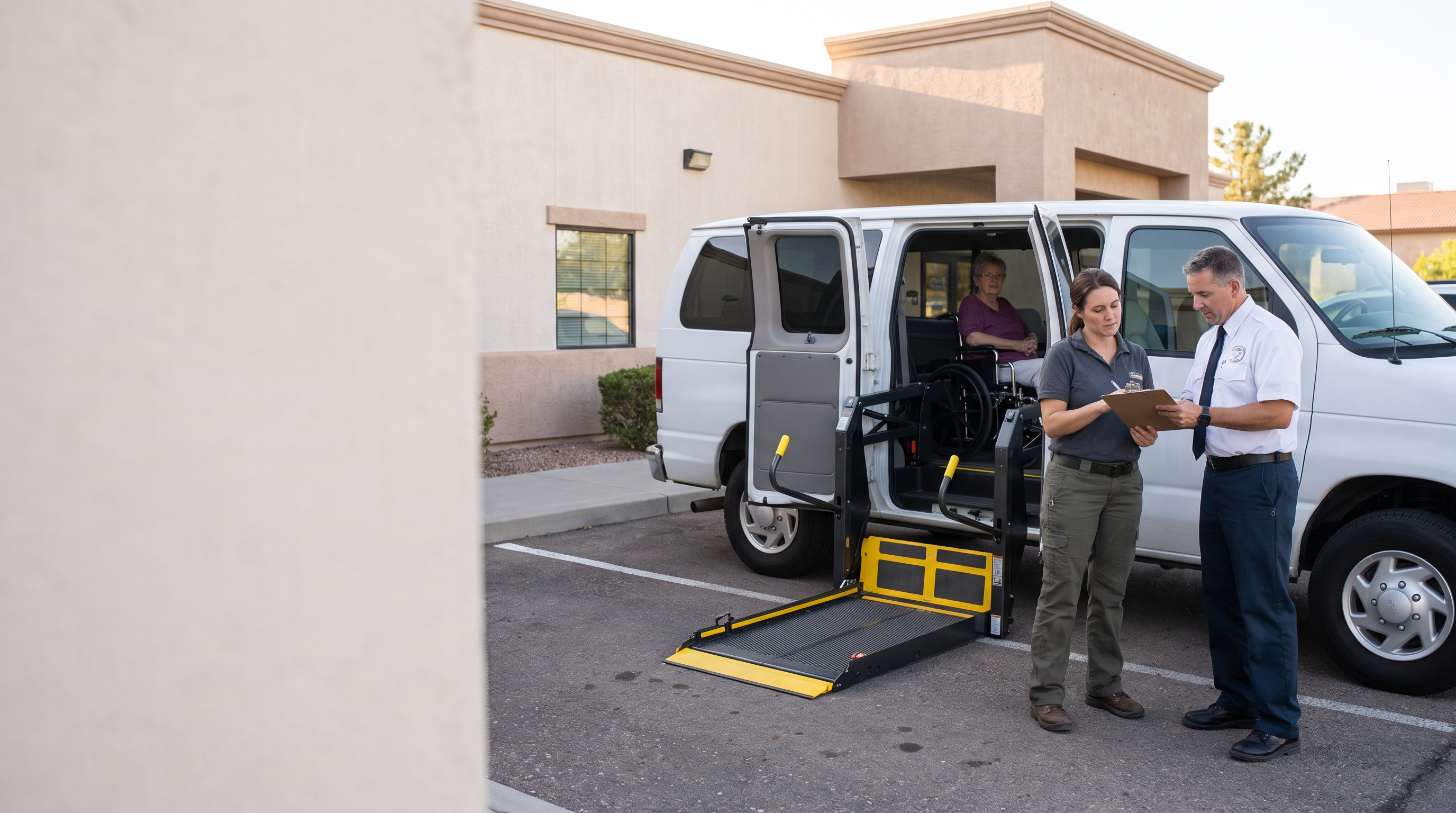 Commercial Insurance
Non-Emergency Medical Transportation Insurance: Passenger Injuries, Wheelchair Lifts, Driver Screening, Contracts & Commercial Auto Limits
Read Article → Commercial Insurance
General Contractor Insurance and Subcontractor Risk: Certificates, Additional Insured Status, Waivers of Subrogation, and Indemnity
Read Article →Get in Touch
Ready to protect what matters most? Contact us today for a no-obligation insurance review. Our experienced agents are here to help you find the right coverage for your needs.


