



Saving Restaurants Money on Their Insurance Policies

Saving Restaurants Money on Their Insurance Policies

Running a restaurant in Central Oregon or anywhere in the American West is one of the most rewarding — and most financially exposed — businesses you can operate. Between liquor liability, food contamination, slip-and-fall claims, equipment breakdown, and the ever-present risk of fire, a restaurant owner faces more distinct insurance exposures per square foot than almost any other business type. And yet, restaurant insurance is one of the most consistently over-priced and under-optimized categories in commercial insurance.
At Insure Pacific, we work with restaurant owners across Bend, Sisters, Redmond, and throughout the American West to build coverage programs that are both comprehensive and cost-effective. Because we are an independent agency working with 50+ carriers, we can shop your restaurant coverage at every renewal — and we consistently find meaningful savings for owners who have been with the same carrier for years without a competitive review.
The restaurant industry has one of the highest insurance claim rates of any commercial sector. Fires, slip-and-falls, liquor liability incidents, food contamination claims, and equipment failures are all common — and all expensive. The difference between a restaurant that survives a major loss and one that closes is often the quality of its insurance program. This guide explains what coverage you need, where restaurants typically overpay, and how to build a program that protects your business without straining your margins.
The independent agent advantage: A captive agent can only offer one company's products. When we review your restaurant coverage, we compare rates and terms across dozens of carriers who specialize in food service — finding the combination that gives you the best protection at the lowest cost. This comparison shopping is something you simply cannot do on your own or through a direct-purchase carrier.
The Core Coverages Every Restaurant Needs
Restaurant insurance is not a single policy — it is a portfolio of coverages that work together to protect every aspect of your operation. Understanding what each coverage does (and what it does not do) is the first step to making sure you are not paying for gaps or duplications.
Commercial General Liability (CGL)
Covers bodily injury and property damage claims from third parties — the most common being slip-and-fall accidents on your premises. Standard limits are $1M per occurrence / $2M aggregate. For high-traffic restaurants or those with outdoor seating, higher limits or a commercial umbrella are often appropriate. Make sure your CGL includes products liability coverage for food-related illness claims.
Liquor Liability
If you serve alcohol, you need standalone liquor liability coverage. Oregon's dram shop law (ORS 471.565) makes you liable if you serve alcohol to a visibly intoxicated person who then causes harm. This is not covered under your CGL — it requires a separate policy or endorsement. The minimum recommended limit for a full-service restaurant is $1 million per occurrence.
Property Insurance
Covers your building (if you own it), equipment, furniture, fixtures, and inventory. The most common mistake is insuring equipment at depreciated value rather than replacement cost — meaning a $40,000 commercial kitchen may only pay out $15,000 after depreciation. Always insure at replacement cost, and update your values annually as equipment costs rise.
Business Interruption
Covers lost income and ongoing expenses if your restaurant is forced to close due to a covered loss. This is the coverage most restaurant owners wish they had more of after a fire or major equipment failure. Standard policies cover 12 months of lost income — many operators need 18–24 months to fully rebuild and reopen. Review your business interruption limit annually.
Equipment Breakdown
Covers the cost to repair or replace commercial kitchen equipment — walk-in coolers, commercial ovens, HVAC systems — when they fail due to mechanical or electrical breakdown. This is separate from property insurance, which only covers sudden physical damage from fire, theft, or accidents. Equipment breakdown is one of the most cost-effective coverages available for restaurants.
Workers' Compensation
Required by Oregon law for all restaurant employees. The restaurant industry has one of the highest workers' comp claim rates of any sector — burns, cuts, slips, and lifting injuries are common. Proper classification of your employees is critical to avoiding audit surprises. Tipped employees, delivery drivers, and kitchen staff all have different classification codes with different rates.
Get a Free Restaurant Insurance Review
Insure Pacific shops your restaurant coverage across 50+ carriers. Most restaurant owners find meaningful savings — and better coverage — within the first review.
6 Ways Insure Pacific Saves Restaurants Money
Restaurant insurance premiums are driven by a combination of your revenue, square footage, seating capacity, alcohol sales percentage, claims history, and the specific coverages you carry. Understanding these drivers — and how to optimize them — is where an experienced independent agent earns their value.
Bundle Your Coverages Into a Restaurant BOP
A Business Owners Policy (BOP) designed for restaurants bundles CGL, property, and business interruption into a single policy at a lower combined rate than purchasing each separately. Not every carrier offers a restaurant-specific BOP — we know which ones do and which ones offer the best terms for your type of operation. A well-structured restaurant BOP can save 15–25% compared to purchasing each coverage individually.
Accurate Revenue Reporting
Restaurant insurance premiums are often based on gross sales. Overstating your revenue — or failing to separate food sales from alcohol sales — can significantly inflate your premium. Alcohol sales carry a higher rate than food sales; accurate separation can reduce your overall premium by 10–20%. We review your revenue reporting at every renewal to make sure you are not overpaying.
Loss Control Credits
Carriers offer meaningful premium discounts for restaurants that implement documented loss control programs: staff alcohol service training (OLCC certification), slip-resistant flooring, hood cleaning records, fire suppression system maintenance logs. We help you document these programs to maximize your credits — often saving $300–$1,000 per year in premium.
Claims History Management
A single large claim can increase your premium by 20–40% for three to five years. We help restaurant owners understand when it makes sense to file a claim and when it is more cost-effective to handle a small loss out of pocket — protecting your claims history for when you truly need it. This strategic approach to claims management can save tens of thousands of dollars over a five-year period.
Competitive Renewal Shopping
Most restaurant owners renew with the same carrier year after year without shopping the market. We re-quote your coverage at every renewal across all carriers who write restaurant business in Oregon — and we have consistently found 15–30% savings for clients who had not shopped in three or more years. The restaurant insurance market changes constantly; what was the best rate three years ago may not be today.
Right-Sizing Your Deductibles
Many restaurants carry lower deductibles than they need to, paying higher premiums for coverage they would never use on small claims. We analyze your cash flow and claims history to find the optimal deductible level — often saving $500–$2,000 per year in premium for restaurants with strong loss histories. The right deductible is the highest one you can comfortably absorb without financial strain.
Oregon-Specific Restaurant Insurance Issues
Oregon has several regulatory and environmental factors that affect restaurant insurance in ways that out-of-state carriers or non-specialist agents may not fully appreciate. Understanding these issues is part of what makes working with a local independent agency like Insure Pacific valuable.
Oregon Dram Shop Liability (ORS 471.565)
Oregon holds alcohol-serving establishments liable for damages caused by visibly intoxicated patrons. This liability is not covered by your CGL — it requires standalone liquor liability coverage. The minimum recommended limit for a full-service restaurant is $1 million per occurrence.
OLCC server training certification is both a legal best practice and a premium reduction factor with most carriers. We can help you document your training program to maximize your liquor liability discount.
Central Oregon's wildfire risk also affects restaurant property insurance. Restaurants in or near the wildland-urban interface — including many in Sisters, Sunriver, and rural Deschutes County — may face higher property premiums or coverage restrictions from standard carriers. Our team knows which carriers are still actively writing restaurant property in these areas and which ones have quietly restricted their appetite.
Oregon's Minimum Wage and Tip Credit Laws
Oregon has one of the highest minimum wages in the country and does not allow a tip credit — meaning tipped employees must be paid full minimum wage before tips. This affects your payroll-based workers' comp premium. Accurate payroll reporting, including tips, is required for workers' comp audits. Misreporting can result in significant audit charges.
Oregon's Paid Leave Requirements
Oregon's Paid Leave Oregon program requires employer contributions and affects your payroll reporting. While not directly an insurance issue, it affects your overall labor cost structure and should be considered when reviewing your workers' comp classification codes.
Food Safety and Contamination Liability
Oregon's food safety regulations are strict, and a food contamination incident can generate significant liability — both from sick customers and from regulatory enforcement. Product liability coverage (included in most CGL policies) covers food contamination claims, but the limits may be inadequate for a large restaurant. Review your product liability sublimit annually.
The 5 Most Expensive Restaurant Insurance Mistakes
After working with Oregon restaurant owners for decades, Insure Pacific has seen the same mistakes lead to denied claims, unexpected premium increases, and coverage gaps that cost owners tens of thousands of dollars. Here are the five most common — and most costly.
Insuring Equipment at Actual Cash Value Instead of Replacement Cost
A commercial kitchen that cost $80,000 to build may have an actual cash value of $30,000 after depreciation. If you insure at ACV and have a total loss, you receive $30,000 — not enough to rebuild. Always insure equipment and improvements at replacement cost.
Skipping Liquor Liability or Buying Inadequate Limits
Oregon's dram shop law creates significant liquor liability exposure. A $500,000 liquor liability limit sounds substantial until you face a wrongful death claim from a drunk driving accident. The minimum recommended limit is $1 million per occurrence.
Not Updating Business Interruption Limits After Expansion
Many restaurants buy business interruption coverage when they open and never update it. After adding seating, expanding hours, or growing revenue, the original limit may cover only a fraction of your actual income. Review your business interruption limit every year.
Misclassifying Employees on Workers' Comp
Restaurant workers' comp classification codes vary significantly by job function. Misclassifying kitchen staff as servers, or failing to separately classify delivery drivers, can result in significant audit charges. Work with an agent who understands restaurant workers' comp classification.
Failing to Add Additional Insured Endorsements for Landlords and Vendors
Most commercial leases require you to name your landlord as an additional insured on your CGL policy. Many vendor contracts have the same requirement. Failing to add these endorsements can put you in breach of contract and create coverage disputes when a claim involves your landlord or a vendor.
Frequently Asked Questions: Restaurant Insurance in Oregon
Q: How much does restaurant insurance cost in Oregon?
A: Restaurant insurance costs vary significantly based on your revenue, seating capacity, alcohol sales percentage, location, and claims history. A small café without alcohol service might pay $3,000–$6,000 per year for a complete program. A full-service restaurant with a bar might pay $8,000–$20,000 or more. The best way to know your actual cost is to get a competitive quote from an independent agent who works with multiple restaurant-focused carriers.
Q: Do I need separate coverage for my food truck?
A: Yes. Food trucks have a distinct risk profile — they operate in different locations, are involved in more vehicle accidents, and face unique fire risks from cooking in an enclosed mobile space. A standard restaurant policy does not cover a food truck. You need a commercial auto policy for the vehicle and a mobile food vendor policy for the business operations.
Q: My landlord requires me to carry $2 million in liability. Is that standard?
A: Yes, $2 million aggregate is a common landlord requirement for restaurant tenants. Most standard restaurant CGL policies provide $1 million per occurrence and $2 million aggregate, which meets this requirement. If your landlord requires $2 million per occurrence, you will need either a higher-limit CGL or a commercial umbrella policy to reach that level.
Q: What is a certificate of insurance and when do I need one?
A: A certificate of insurance (COI) is a document that summarizes your coverage and confirms that your insurance is in force. You will need to provide COIs to your landlord, vendors, event organizers, and any other party who requires proof of your insurance. Your agent can issue COIs on your behalf — this is a standard service that should be included in your agency relationship.
Q: Should I buy a Business Owners Policy (BOP) or separate policies?
A: For most small to mid-size restaurants, a restaurant-specific BOP is the most cost-effective option. It bundles CGL, property, and business interruption into a single policy with a combined premium that is lower than purchasing each separately. For larger restaurants or those with complex operations (multiple locations, high alcohol sales, catering), separate policies may provide better terms and flexibility.
The 5 Most Expensive Restaurant Insurance Mistakes
After working with Oregon restaurant owners for decades, Insure Pacific has seen the same mistakes lead to denied claims, unexpected premium increases, and coverage gaps that cost owners tens of thousands of dollars. Here are the five most common — and most costly.
Insuring Equipment at Actual Cash Value Instead of Replacement Cost
A commercial kitchen that cost $80,000 to build may have an actual cash value of $30,000 after depreciation. If you insure at ACV and have a total loss, you receive $30,000 — not enough to rebuild. Always insure equipment and improvements at replacement cost. This single mistake is responsible for more restaurant closures after a fire than any other coverage gap.
Skipping Liquor Liability or Buying Inadequate Limits
Oregon's dram shop law creates significant liquor liability exposure. A $500,000 liquor liability limit sounds substantial until you face a wrongful death claim from a drunk driving accident. The minimum recommended limit is $1 million per occurrence. For restaurants with high alcohol sales volume, $2 million or a commercial umbrella is appropriate.
Not Updating Business Interruption Limits After Expansion
Many restaurants buy business interruption coverage when they open and never update it. After adding seating, expanding hours, or growing revenue, the original limit may cover only a fraction of your actual income. Review your business interruption limit every year — it should reflect your current annual revenue, not what you earned when you first opened.
Misclassifying Employees on Workers' Comp
Restaurant workers' comp classification codes vary significantly by job function. Misclassifying kitchen staff as servers, or failing to separately classify delivery drivers, can result in significant audit charges. Work with an agent who understands restaurant workers' comp classification — the difference between correct and incorrect classification can be thousands of dollars per year.
Failing to Add Additional Insured Endorsements for Landlords and Vendors
Most commercial leases require you to name your landlord as an additional insured on your CGL policy. Many vendor contracts have the same requirement. Failing to add these endorsements can put you in breach of contract and create coverage disputes when a claim involves your landlord or a vendor. Review your lease and vendor contracts annually with your agent.
Frequently Asked Questions: Restaurant Insurance in Oregon
Q: How much does restaurant insurance cost in Oregon?
A: Restaurant insurance costs vary significantly based on your revenue, seating capacity, alcohol sales percentage, location, and claims history. A small café without alcohol service might pay $3,000–$6,000 per year for a complete program. A full-service restaurant with a bar might pay $8,000–$20,000 or more. The best way to know your actual cost is to get a competitive quote from an independent agent who works with multiple restaurant-focused carriers.
Q: Do I need separate coverage for my food truck?
A: Yes. Food trucks have a distinct risk profile — they operate in different locations, are involved in more vehicle accidents, and face unique fire risks from cooking in an enclosed mobile space. A standard restaurant policy does not cover a food truck. You need a commercial auto policy for the vehicle and a mobile food vendor policy for the business operations.
Q: My landlord requires me to carry $2 million in liability. Is that standard?
A: Yes, $2 million aggregate is a common landlord requirement for restaurant tenants. Most standard restaurant CGL policies provide $1 million per occurrence and $2 million aggregate, which meets this requirement. If your landlord requires $2 million per occurrence, you will need either a higher-limit CGL or a commercial umbrella policy.
Q: What is a certificate of insurance and when do I need one?
A: A certificate of insurance (COI) is a document that summarizes your coverage and confirms that your insurance is in force. You will need to provide COIs to your landlord, vendors, event organizers, and any other party who requires proof of your insurance. Your agent can issue COIs on your behalf — this is a standard service included in your agency relationship.
Q: Should I buy a Business Owners Policy (BOP) or separate policies?
A: For most small to mid-size restaurants, a restaurant-specific BOP is the most cost-effective option. It bundles CGL, property, and business interruption into a single policy with a combined premium that is lower than purchasing each separately. For larger restaurants or those with complex operations (multiple locations, high alcohol sales, catering), separate policies may provide better terms and flexibility.
Why Oregon Restaurant Owners Choose Independent Agents
Restaurant owners who buy insurance directly from a single carrier — or through a national broker who does not specialize in hospitality — consistently pay more and get less. The independent agent model is particularly well-suited to restaurant insurance because of the complexity of the risk and the number of carriers who specialize in it.
| Factor | Direct / Captive Agent | Independent Agent (Insure Pacific) |
|---|---|---|
| Carrier Access | One carrier's products only | 50+ carriers including restaurant specialists |
| Premium Comparison | No comparison — take it or leave it | Shops multiple carriers to find best rate for your risk profile |
| Restaurant Expertise | Generalist agents, limited hospitality knowledge | Agents who understand kitchen risks, liquor liability, and food service operations |
| Coverage Customization | Standard products with limited endorsement options | Access to specialty endorsements and surplus lines for unique risks |
| Claims Advocacy | Represents the carrier's interests | Advocates for you in the claims process |
| Annual Review | Renewal notices only | Proactive annual review to identify gaps and opportunities |
Insure Pacific has been serving Oregon restaurant owners since 1935. We have placed coverage for everything from single-location diners to multi-unit restaurant groups, from food trucks to fine dining establishments. Our agents understand the hospitality industry's unique risks and know which carriers offer the best terms for different types of restaurant operations.
When you work with Insure Pacific, you get an agent who will review your coverage every year — not just at renewal, but whenever your business changes. If you add a bar, expand your kitchen, start catering, or open a second location, we will make sure your coverage keeps pace with your business. That ongoing relationship is the foundation of the independent agent model, and it is why restaurant owners who work with independent agents consistently have better coverage outcomes than those who buy direct.
Related Coverage Topics
Ready to Save on Your Restaurant Insurance?
Insure Pacific works with restaurant owners across Central Oregon and the American West. We shop 50+ carriers, find the right coverage, and make sure you are not paying more than you should.
Protecting Oregon Restaurants Since 1935
From Bend to Brookings, Insure Pacific has been protecting Oregon food service businesses for generations. We work with 50+ carriers to find the right coverage at the right price — and we review your program at every renewal to make sure you are not overpaying. Let us review your current coverage, shop the market, and make sure your restaurant is protected.
Our Licensed Coverage Area
States highlighted in blue are states where Insure Pacific holds an active insurance license.
Hover to highlight — click a state to visit its insurance page
Our Oregon Office Locations
Hover over a marker to see the office — click to visit their website.
Hover to highlight — click to visit that office's website
Ready to Get Protected?
Talk to a Local Oregon Insurance Expert
Insure Pacific has been serving Oregon families and businesses since 1935. We work with 50+ carriers so you get real options — not just one company's answer.
Related Articles
 Commercial Insurance
Has Your Business Outgrown Its Insurance? Revenue, Payroll, New Locations, and New Services
Read Article → Commercial Insurance
Buying a Commercial Building: Insurance Questions to Answer Before Closing
Read Article →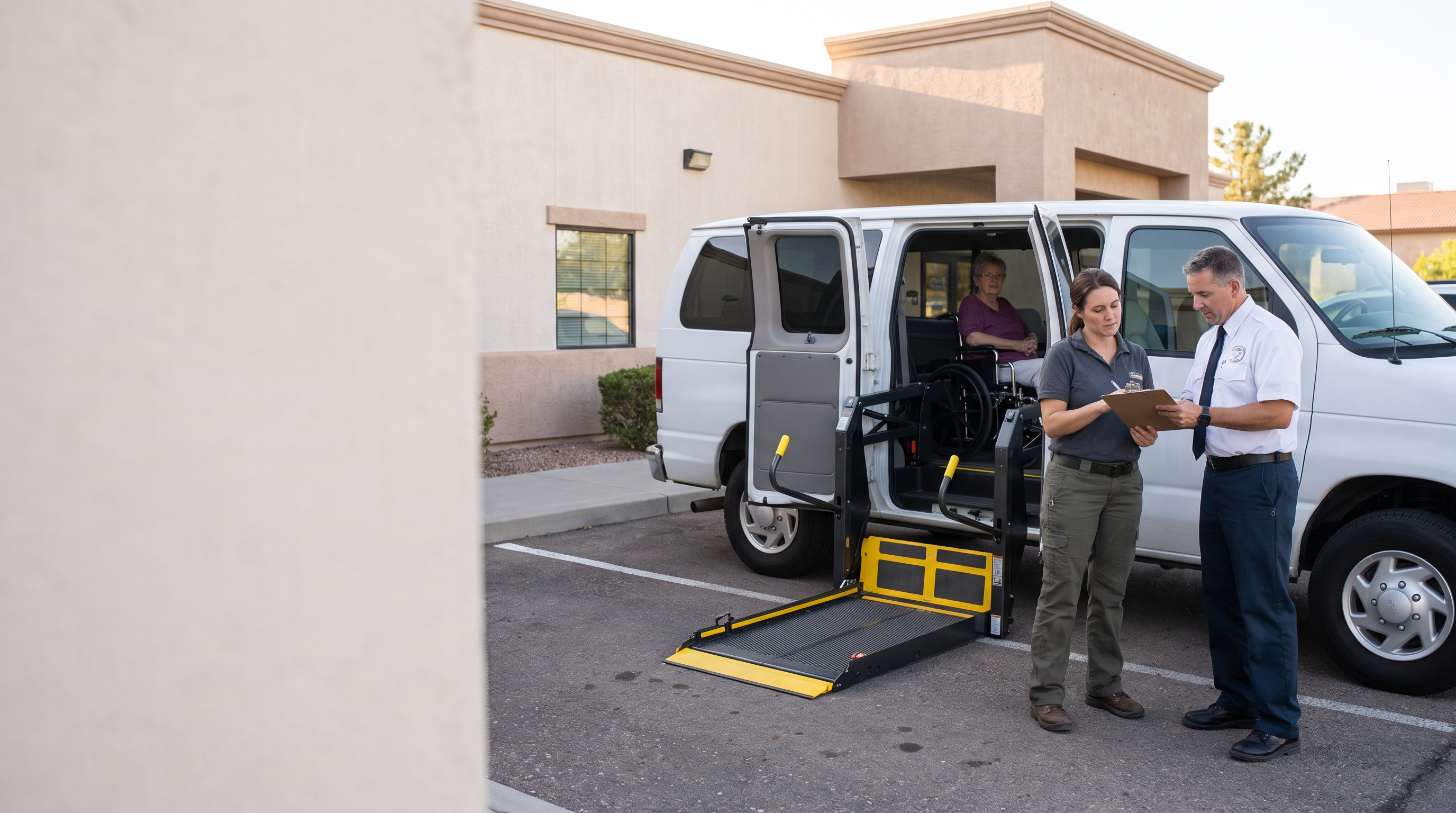 Commercial Insurance
Non-Emergency Medical Transportation Insurance: Passenger Injuries, Wheelchair Lifts, Driver Screening, Contracts & Commercial Auto Limits
Read Article → Commercial Insurance
General Contractor Insurance and Subcontractor Risk: Certificates, Additional Insured Status, Waivers of Subrogation, and Indemnity
Read Article →Get in Touch
Ready to protect what matters most? Contact us today for a no-obligation insurance review. Our experienced agents are here to help you find the right coverage for your needs.


