



Dairy Farm Insurance Beyond the Barn: Bulk-Tank Failure, Milk Contamination, Power Outages, Rejected Loads, and Lost Income
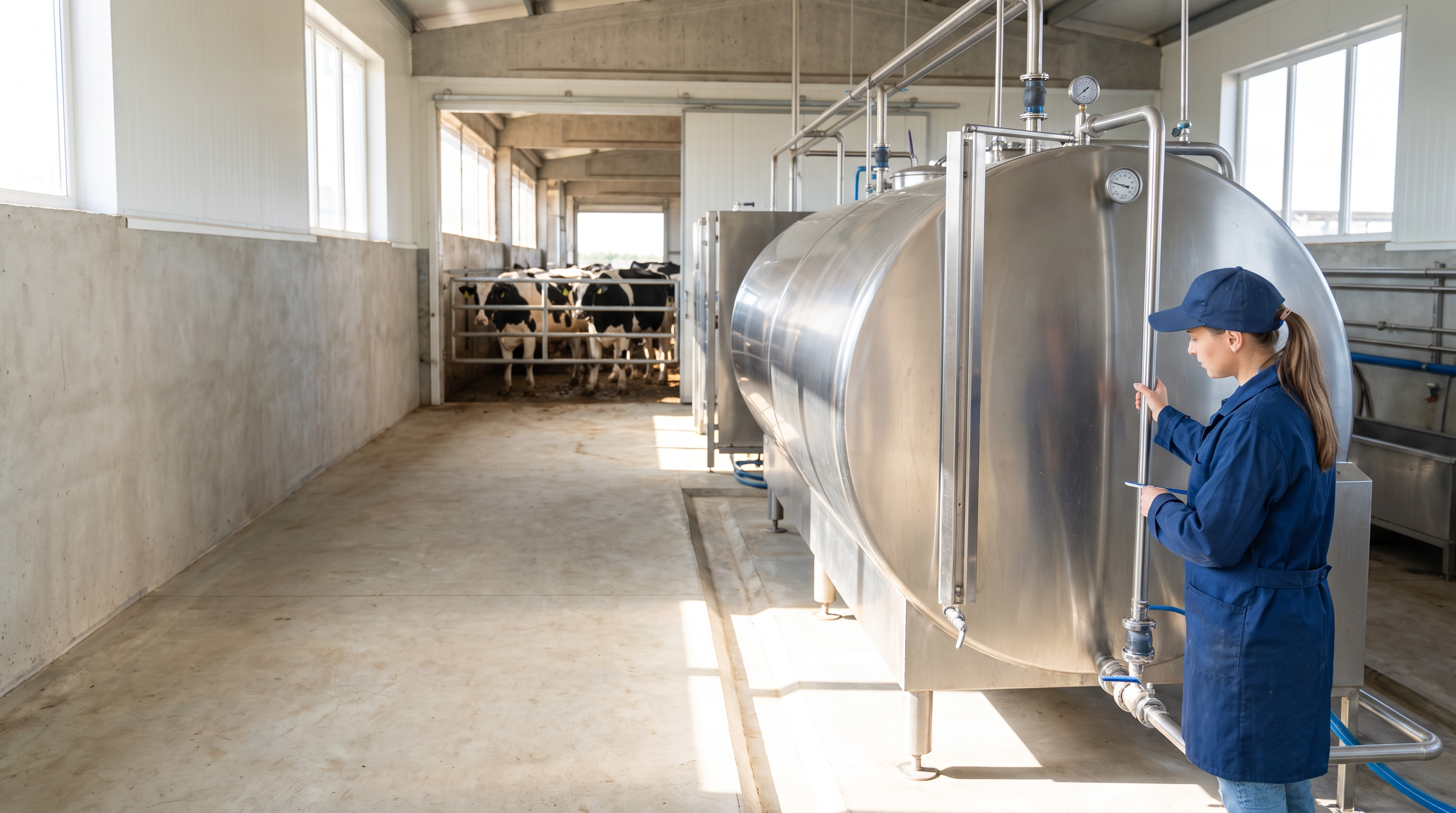
Dairy Farm Insurance Beyond the Barn: Bulk-Tank Failure, Milk Contamination, Power Outages, Rejected Loads, and Lost Income

At 4:30 a.m., the milking crew finds that the bulk-tank compressor stopped overnight. The tank is warm, the next pickup is due soon and a service technician cannot arrive immediately. What is insured: the compressor, the milk, both, or neither? Now imagine a different morning: cooling works, but a treated cow's milk reaches the tank and a hauler later delivers a load that fails a drug-residue test. The dairy may lose its own milk and face a claim involving other producers' commingled milk. Those are different incidents, and no single phrase such as “full farm coverage” answers both.
Dairy farm insurance reaches beyond barns and cattle. A modern operation depends on refrigeration, automated milking, electric controls, sanitary water, a pickup schedule, a milk buyer and a steady flow of cash. This 2026 guide explains the questions to ask about bulk-tank failure, spoilage, contamination, rejected loads, utility outages and lost income. It is intended for dairy operators across Oregon and the Western states; it does not determine whether a particular claim is covered. Insuring agreements, definitions, cause-of-loss language, waiting periods, limits, deductibles, exclusions and state rules all matter. Review issued policies and buyer contracts with your agent and qualified advisers.
Quick answer: what coverage might respond to a dairy loss?
| Exposure | Policy conversation | Important question |
|---|---|---|
| Compressor or tank suffers a sudden internal breakdown | Equipment breakdown, farm machinery or scheduled equipment | Is the specific tank, compressor, controller or milking system included, and what cause is covered? |
| Refrigerated milk spoils after an eligible event | Dairy milk spoilage or temperature-sensitive property | Does a breakdown, an on-premises outage, an off-premises utility failure or human error qualify? |
| Milk is contaminated by an antibiotic, chemical or other substance | Milk contamination endorsement | Does the form include the dairy's own milk, testing and disposal, or just specified contamination events? |
| A producer's milk damages a buyer's or other producers' milk | Dairy-specific third-party contamination or liability provision | Is commingling covered, and what are the limit, proof and defense arrangements? |
| A covered event interrupts production | Earnings and extra expense, if offered and triggered | Which physical loss or endorsed event starts the benefit, how long is the waiting period and how is income calculated? |
| Milk is rejected without insured physical loss | Contract or quality dispute, possibly no insurance response | Was there a covered cause, or only a buyer-specification issue? |
These are questions rather than promises. Insurers describe distinct dairy-specific milk spoilage, contamination, equipment and earnings options; their forms differ. Start with the site's farm and ranch insurance overview, then ask for the actual dairy endorsements and exclusions applicable to your operation.
1. The bulk tank is not the same thing as the milk inside it
A dairy property schedule might insure the milk house, tank, compressor, plate cooler, vacuum pump, electrical panel and control system. But damage to equipment is only one possible loss. Milk already produced has its own value, and a stalled cooler can turn salable inventory into rejected inventory before a repair is complete. Some policies insure certain sudden mechanical or electrical breakdowns but not the resulting spoilage unless another provision or endorsement applies. Others offer spoilage only when caused by listed failures, perhaps subject to temperature records, a waiting period or a separate limit. Do not infer coverage from the fact that a tank has a listed property value.
Build an asset inventory that separates buildings and permanently installed equipment, portable machinery, the milk in each tank, generator and switchgear, herd, vehicles, and cash flow. Document make, model, serial number, installation year, maintenance history and replacement cost. A replacement tank may need plumbing, electrical work, controls, sanitation approval and commissioning, not merely a purchase price. Compare those exposures with the wider farm insurance page and the policy's actual declarations. If the farm adds a second tank or converts to robotic milking, update the schedule and electrical load analysis before the next renewal.
Mechanical failure, power surge and wear are not interchangeable
Ask for a written explanation of how the form treats motor burnout, refrigerant escape, a failed bearing, power surge, control-board damage, gradual deterioration, inadequate maintenance and operator error. A tank that stops cooling because its compressor burns out presents a different insurance trigger from a tank deliberately shut off for cleaning and not restarted. It also differs from milk warming because a utility line is down outside the premises. A named equipment-breakdown endorsement may include some of these causes but exclude others. Our equipment breakdown guide explains the broader mechanical/electrical distinction; dairy producers still need the specific tank, milk and outage wording checked.
2. Cooling rules make a short outage a time-sensitive decision
The FDA's Grade A Pasteurized Milk Ordinance (PMO) sets a temperature sequence for Grade A raw milk: 50°F or less within four hours after the start of milking and 45°F or less within two more hours, with a condition on the blend temperature after first and subsequent milkings. A milk buyer, cooperative or state regulator may impose additional requirements. Do not rely on a single reading from a display to certify a load; tank location, calibration and recorded history matter. University of Wisconsin Extension describes temperature and quality checks at the farm, at pickup and at the plant. If the milk is questionable, notify the buyer and follow its instructions and applicable state requirements before shipment. An insurance agent cannot authorize sale of suspect milk.
A credible emergency plan lists the equipment needed to keep cooling and milking safe: bulk tank and compressor, vacuum pump, controls, water, ventilation, lighting and, where relevant, robotic or automated systems. North Dakota State University Extension advises sizing standby power for motor starting loads, not only steady running load, and using a properly installed transfer switch so a generator cannot backfeed the utility line. Test the generator with the real loads, maintain fuel safely, and assign someone to respond when the temperature alarm sounds. A phone alert is a useful loss-control tool but does not itself add insurance coverage.
Ask the agent these separate outage questions:
If the answer is “power outages are covered,” request the applicable form and have the agent identify which outage scenario it addresses. Cooling equipment, milk spoilage and farm earnings can have separate triggers and separate deductibles.
3. Milk contamination is more than spoiled milk
A cooling failure can allow milk to spoil. Contamination can instead involve antibiotic residues, cleaning chemicals, foreign material or other substances—even while temperature readings look normal. Withdrawal periods for treated cows, clear animal identification, separate milk routes, worker training and testing protocols are operational controls, not insurance substitutes. The FDA PMO sets drug-residue standards. Wisconsin Extension explains that a tanker sample is checked before plant unloading and that a confirmed antibiotic result can cause a whole commingled tanker load to be rejected, followed by farm-sample testing to identify the source. Specific procedures and responsibilities vary by jurisdiction and buyer agreement.
Suppose a treated cow's milk enters your tank. Loss one is the value of your own unmarketable milk. Loss two could be the cost associated with milk belonging to others in a shared tanker, if the positive load is traced to your farm and you are legally or contractually responsible. Loss three could be sampling, cleanup or disposal expenses. Loss four might be a buyer's interruption or a later recall, but a rejected load is not automatically a consumer product recall. Ask for each loss by name: self-owned milk, commingled third-party milk, defense, testing, disposal, cleanup, loss of contract, and recall. The answer can differ significantly among dairy forms.
Nationwide describes a dairy-specific endorsement that may include spoilage, contamination, leakage and property damage liability when a producer's milk is commingled with others' dairy products. SECURA also illustrates a treated cow contaminating an entire load as a third-party risk. These are examples that demonstrate possible insuring agreements; they do not establish that a carrier is currently available to your farm or that its endorsement covers a particular event. Compare the dairy's buyer contract and farm liability terms with the site's general liability insurance overview. Standard general liability is not proof that your own milk, a product withdrawal, or every contractual tanker obligation is insured.
The farm-to-tanker-to-processor handoff
Draw a simple chain of custody. At the farm, who owns the milk and who records the tank temperature? At pickup, who takes the official sample and when does title or risk of loss pass under the agreement? In transit, whose vehicle and whose milk is on the load? At intake, what tests can cause rejection, and who bears the costs of disposing of a mixed load? Have the buyer, cooperative, independent hauler and farm verify these points in their contracts. Commercial vehicle insurance addresses vehicles and certain liability losses; it should not be assumed to insure the dairy's milk inventory in a tank or a third party's product inside a shared tanker. See the commercial auto insurance page for vehicle questions, then ask separately about cargo custody and milk-contamination liability.
Where a farm bottles, processes or sells to consumers, its legal and insurance footprint can change. Processing equipment, labeling, food safety, finished-product inventory, distribution and product claims may demand a different review from selling raw milk to a processor. The food-industry insurance overview can frame that conversation; ask whether any product withdrawal or recall expense form is needed rather than assuming a farm policy includes it. Follow the current state food-safety and direct-sale rules before expanding operations.
4. Earnings and extra expense: when does a milk loss become an income claim?
A tank repair can take several days. The dairy may rent temporary refrigeration, buy ice or arrange permitted alternate handling, pay overtime, move animals for milking or incur an extra hauling charge. Meanwhile the farm may lose milk sales and still owe wages, feed, debt payments and utility charges. Earnings and extra-expense coverage can be valuable, but it is not the same as a guarantee of all future milk sales. Ask whether the income form applies only after covered physical damage to listed property, whether an endorsed spoilage event can trigger it, and whether a utility interruption or denial of access qualifies. Check waiting period, restoration period, ordinary payroll treatment, extra-expense rules and seasonal fluctuations.
Build an income worksheet from actual daily milk volumes, component-based prices and buyer statements. Distinguish gross sales from the profit and continuing-expense measures used by the policy. Do not multiply a full month's gross receipts by an outage length and present that number as an expected claim. If production shifts to another permitted facility, record the cost and the revenue that was preserved. Communicate with the adjuster and buyer about reasonable mitigation and product-disposition requirements.
Illustrative scenario, not an insurance estimate: a covered equipment event stops cooling, forcing disposal of one tank's milk. The compressor repair, milk value, rented cooling system and any covered earnings decline may be adjusted under different provisions. A policy might cover the damaged compressor but exclude milk spoiled during an off-premises power failure; another might cover specified spoilage but not ordinary loss of a customer. The sequence and the wording—not the size of the invoice—decide what can be submitted.
Do USDA dairy programs fill an outage gap?
Not automatically. USDA FSA's Dairy Indemnity Payment Program (DIPP) may assist eligible producers with milk contamination or necessary cow removal involving specified residues, chemicals, toxic substances or nuclear contamination, subject to evidence and FSA rules. It is not a blanket replacement for a spoilage endorsement when a compressor fails. The local FSA office should confirm current eligibility, records and deadlines. USDA RMA's Dairy Revenue Protection (Dairy-RP) is a separate quarterly revenue program with its own guarantee calculation; USDA explicitly says it does not insure cattle death or other loss or damage. It is not a tank repair or rejected-load policy. Producers should review crop-program participation with an authorized agent independently of private dairy property coverage.
5. Rejected loads: a claims response has to preserve evidence
A milk buyer may reject a load for temperature, residues, bacterial count, off-flavor, sediment or another contractual quality reason. Rejection alone does not prove insured loss. Determine what failed, who tested it, the applicable contractual specification and whether a covered cause of loss produced the result. Separate a dairy's own milk from the product of other producers. If a contamination result is disputed, preserve official samples and follow the buyer's and regulator's testing process; never alter evidence or sell product against their instructions.
Within the first hours:
1. Protect people and product. Stop shipment when required, isolate suspect milk, notify the buyer or hauler, and follow state food-safety instructions. Do not guess that refrigeration or pasteurization makes prohibited milk salable.
2. Record the timeline. Save tank temperature curves, alarm logs, milking start/end times, power/utility notices, service calls, generator checks, pickup time and samples.
3. Preserve the equipment. Photograph the tank, control panel and any damaged component before repairs when safe; obtain technician diagnosis and retain the part if instructed by the insurer.
4. Keep custody clear. Identify which tank or tanker contains whose milk, official sample IDs, truck and route, processor notice, rejection explanation and disposal receipts.
5. Notify appropriately. Contact the property, equipment, spoilage, liability and income insurers or agent as potentially relevant; meet notice requirements while coverage remains under investigation.
6. Document money separately. Track repair invoices, milk volume/value, additional hauling, permitted temporary refrigeration, lost sales, saved expenses and any third-party demand. Do not sign a settlement or accept legal responsibility for other producers' milk without counsel and insurer input.
A good incident file protects the farm even when a claim is disputed. It can also reveal a preventable failure in a treatment log, temperature alert or pickup procedure. If employees are exposed to hazardous repair work or injured handling livestock, their injury is a distinct workers' compensation question; our farm labor insurance guide discusses that exposure separately.
6. Three dairy claims worth practicing before renewal
Scenario A: a compressor burns out on a summer evening
At milking, the tank is functioning; overnight, the compressor fails internally and milk warms. Ask whether the compressor repair qualifies under equipment breakdown and whether the specific cause also activates milk spoilage. If an eligible event occurs, what are the per-tank milk limit and any temperature-record requirement? Would permitted rental cooling and additional hauling qualify as extra expense? If instead a utility outage across the valley caused the temperature rise, off-premises utility and spoilage language could produce a different result. Preserve both mechanical diagnosis and the grid outage record. A backup generator that was never sized to start the compressor is a prevention issue, not automatic insurance protection.
Independent Insurance Agency Since 1935
Not Sure If You Have the Right Coverage?
Our licensed agents compare 50+ carriers to find you the best coverage at the right price — at no extra cost to you.
Scenario B: a treated cow's milk enters a commingled tanker
The farm's own tank tests positive, but some milk has already been collected and mixed with other farms' deliveries. Notify the buyer, hauler and authorities according to applicable procedure. Retain treatment records, milk-route assignments, employee logs and official samples. Review own-milk contamination, third-party commingling property damage and defense separately; do not assume a farm property deductible or general liability declaration settles all three. If a buyer asserts a contractual indemnity for all disposed milk, obtain legal and insurer review of the agreement and causation. Consider whether higher liability limits or an applicable commercial umbrella policy would address an eligible underlying liability claim, keeping in mind that umbrella terms may exclude contamination or require specific underlying insurance.
Scenario C: the milking parlor is damaged, but the bulk tank survives
A covered fire damages the parlor, stopping production for weeks. The tank itself is intact, yet no new milk can be collected and sold. Property coverage may address physical repairs; an earnings/extra-expense form may address a defined interruption after a covered event. It may be economical to use another approved milking facility temporarily, but biosecurity, hauling, worker schedules and permissions matter. Keep invoices, production histories, buyer notices and the mitigation decision. These facts differ from one discarded tank and from a contract dispute caused solely by market prices. A broad agriculture insurance review can coordinate farm buildings, herd, feed, crops and dairy-specific extensions rather than handling each in isolation.
7. Dairy-specific questions to take to the renewal meeting
Preparing for a dairy renewal or worried about a bulk-tank gap? Send your tank and equipment schedule, peak milk volume, buyer agreement, alarm/generator details, and current policy forms to Insure Pacific through the contact page. Ask for a side-by-side explanation of what would happen under a breakdown, an off-site grid outage and a rejected commingled load. The quote, phone and text options on this page give you additional ways to request a review before an incident occurs.
Frequently asked questions
Does farm insurance automatically pay for a failed bulk milk tank?
No. A dairy policy may insure a tank as property yet exclude its internal mechanical or electrical breakdown unless an equipment-breakdown provision applies. Repair coverage and the value of spoiled milk should be checked separately. Even if both are insured, limits, deductible, exclusions and notice rules can differ.
Is warm milk from a power outage covered?
It depends on the exact spoilage and utility-interruption language, the location and cause of the electrical failure, any waiting period and the milk's temperature records. An on-site surge, a failed compressor and an off-premises utility outage need separate answers. Call the buyer and follow food-safety rules before making shipment decisions.
Who pays when my milk causes a shared tanker load to be rejected?
Sampling, causation, ownership and the buyer agreement matter. Some dairy-specific endorsements address property damage liability when milk is commingled with the products of others, but coverage is not automatic. The farm's own milk loss and third-party demand may sit in different coverage sections. Preserve official samples and seek insurer and legal review before acknowledging responsibility.
Does milk contamination coverage pay for every rejected load?
No. Forms define contamination and covered causes. A buyer may reject milk for temperature, off-flavor, bacteria, residues or another specification without a covered insurance event. Ask how the endorsement treats each cause, own-product loss, cleanup, disposal, commingled product and lost sales.
Does a generator guarantee coverage or make suspect milk safe to sell?
No. A correctly sized, maintained generator is a risk-control measure and a transfer switch is critical for safe operation. It cannot retroactively cool already spoiled milk or change policy terms. The milk buyer and applicable regulators—not the insurance policy—determine product disposition.
Is lost income covered if the milk truck cannot collect my product?
Not necessarily. Earnings protection often needs a defined covered trigger and has waiting and restoration provisions. A breakdown, a covered property fire, a transportation delay and a quality-contract dispute can produce different answers. Ask the agent to illustrate your actual daily volume, prices and continuing expenses against the issued form.
Are Dairy-RP and the USDA Dairy Indemnity Payment Program substitutes for dairy coverage?
No. Dairy-RP is a specific quarterly milk-revenue policy under USDA RMA rules; it is not equipment repair or ordinary spoilage insurance. FSA's DIPP is conditional assistance for defined contamination-related losses, not an all-purpose dairy property form. Discuss eligibility with the relevant USDA office and privately insured causes with a qualified agent.
Sources and further reading
*Coverage depends on the actual issued insurance policy, cause of loss, proof, contract and jurisdiction. USDA program rules and carrier forms may change; confirm current terms before making decisions. This article is educational and is not a coverage determination, food-safety advice or legal opinion.*
Our Licensed Coverage Area
States highlighted in blue are states where Insure Pacific holds an active insurance license.
Hover to highlight — click a state to visit its insurance page
Our Oregon Office Locations
Hover over a marker to see the office — click to visit their website.
Hover to highlight — click to visit that office's website
Ready to Get Protected?
Talk to a Local Oregon Insurance Expert
Insure Pacific has been serving Oregon families and businesses since 1935. We work with 50+ carriers so you get real options — not just one company's answer.
Related Articles
 Farm & Ranch
One Ranch, Several Policies: Coordinating Home, Farm, Commercial Auto, and Umbrella Insurance
Read Article → Farm & Ranch
Cattle Ranch Insurance in the American West: The Complete Guide to Property, Livestock, Equipment, Liability, and Income Protection
Read Article → Farm & Ranch
Custom Grazing Insurance: Who Covers Cattle, Fences, Pasture, Death Loss, and Liability?
Read Article → Farm & Ranch
Grain Bin and Feed Storage Insurance: Collapse, Wind Damage, Contamination, and Stored Commodities
Read Article →Get in Touch
Ready to protect what matters most? Contact us today for a no-obligation insurance review. Our experienced agents are here to help you find the right coverage for your needs.


