



Beekeeping and Pollination Contract Insurance: Hives, Transport, Pesticide Exposure, and Grower Agreements
Beekeeping and Pollination Contract Insurance: Hives, Transport, Pesticide Exposure, and Grower Agreements

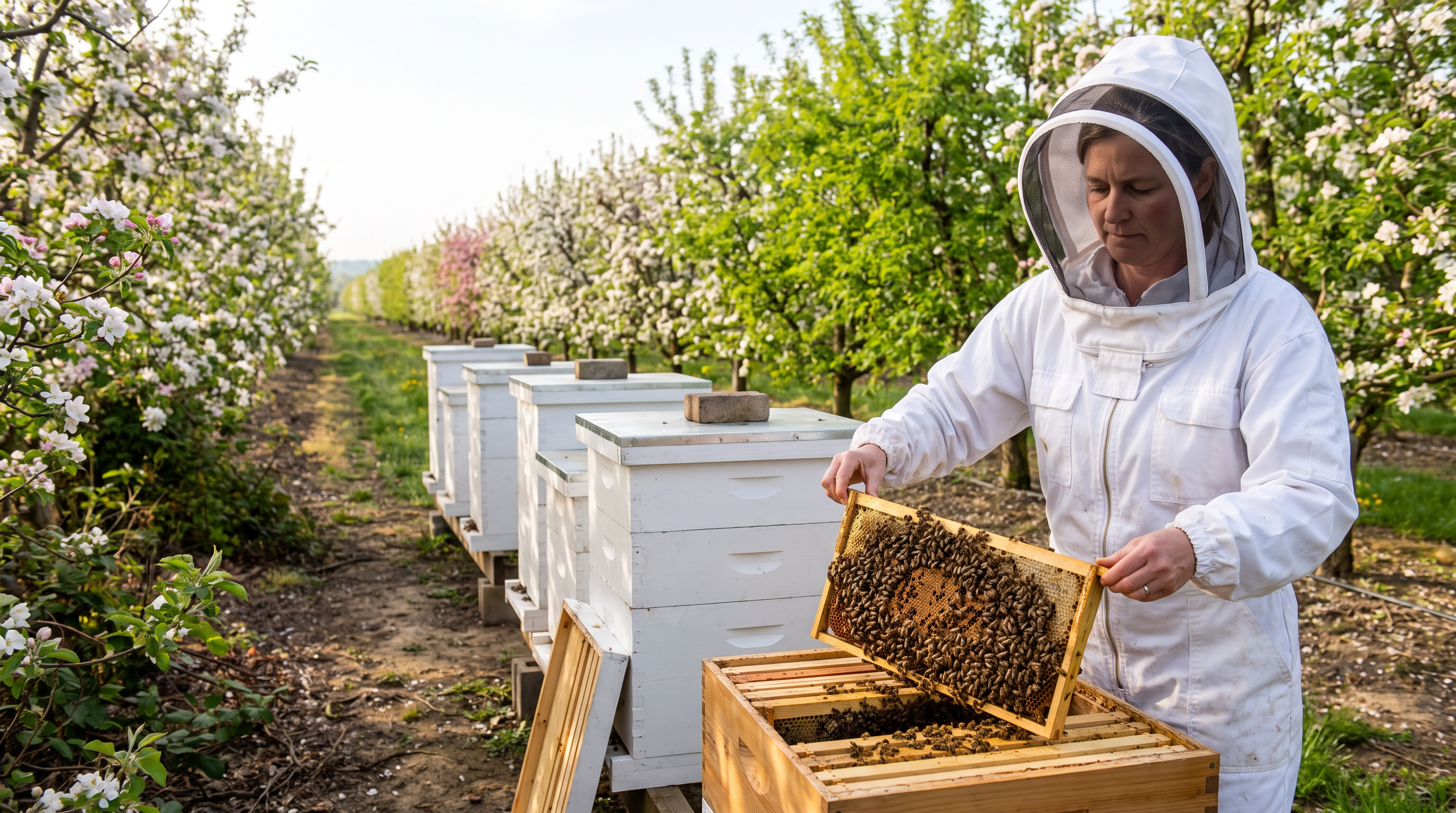
A commercial beekeeper delivers several hundred colonies to an orchard just before bloom. Two days later, a sprayer works an adjacent block. The grower has a pollination contract, the beekeeper has a farm policy, and the hauling company has auto insurance. Then some colonies weaken, a few boxes disappear and a driver reports damage to an irrigation line. Which agreement or policy answers each loss? Not one document automatically covers all of them.
The central distinction is between an obligation in a grower agreement and coverage in an issued insurance policy. The agreement can say who pays for a damaged hive or who gives pesticide notice; the insurer independently applies the named insured, location, covered property, causes of loss, exclusions, limits and endorsements. A certificate does not amend those terms. This guide is for beekeepers, orchard operators and growers arranging pollination in Oregon and other Western states. It is educational rather than a determination of coverage or legal advice. Review your own contracts with counsel and actual forms with a licensed agent.
Quick answer: what should a beekeeper and grower insure separately?
| Exposure | Whose question to ask first | What still needs verification |
|---|---|---|
| Hive boxes, frames, feeders and tools | Beekeeper's property or mobile-equipment policy | Listed locations, off-premises use, valuation, theft, fire and transit provisions |
| Live colonies, queens and brood | Beekeeper's specialist coverage or program | Whether live bees are insured property, the covered causes and valuation of a weakened colony |
| Loaded hives on a truck | Beekeeper, motor carrier or both | Vehicle liability versus property being carried; loading, unloading, collision and custody |
| Stings or damage to others | Operating beekeeper and grower's liability programs | Covered operations, insured persons, premises, exclusion and additional-insured wording |
| Spray drift or pesticide-related colony decline | Grower, applicator and beekeeper each review exposure | Causation, contract duties, policy pollution/pesticide restrictions and reporting |
| Lost pollination rental fees | Beekeeper's income and contract risk | Whether an eligible physical-loss trigger, waiting period and revenue form actually exist |
| Grower's crop yield | Grower's crop or revenue program | Insurable crop, reported interest, terms and cause of loss—not a beekeeper's hive policy |
These are review prompts, not automatic assignments. A typical farm and ranch insurance overview is a place to start, but the beekeeper's moving property and third-party service contract warrant their own discussion.
1. Count the assets before discussing a limit
A pollination operation is not simply a trailer of identical boxes. A useful pre-season inventory separates hive equipment (boxes, frames, lids, pallets, straps, feeders and extractors), live colonies (bees, brood and queens), vehicles and loaders, honey or other inventory, and service income. At each yard and grower site, record the colony count, ownership, identifying marks, condition and replacement or agreed value. Photograph hives before dispatch and at placement; retain invoices and inspection records. A stolen empty box and a destroyed strong producing colony have different economic consequences.
Ask the carrier, in writing, whether living bees are covered property. If so, are they valued per colony, by actual cash value, at replacement cost for equipment, by a scheduled amount, or by another formula? Are replacement queens, package bees, nucs and the cost of rebuilding colony strength treated differently? An endorsement covering a wooden box does not necessarily cover live bees inside it. Review deductibles, per-hive and aggregate limits, any restriction for winter loss, disease or parasites, and whether the operation must report seasonal hive-count changes. A beekeeper who doubles the colony count for spring contracts should not assume last autumn's schedule is adequate.
Locations also move: home yard, staging yard, leased pollination site, roadside stop, temporary storage and return yard. Ask whether each qualifies as covered territory and whether a hive on a grower's parcel is regarded as off-premises property. The agency's farm insurance page explains broad farm coverage concepts; it does not replace a policy review of mobile apiary assets.
Fire, theft, flood and disease are different causes
A wildfire can destroy boxes and colonies. A thief can take hive equipment from an orchard. Floodwater can damage a staging yard. A parasite or disease can weaken colonies without a sudden physical event. These are not interchangeable losses: a form may include fire and theft of scheduled property yet exclude or restrict flood, disease, normal mortality or unexplained disappearance. Weather may be covered only under specifically defined terms. Document the event and ask what the form requires before promising a replacement payment to a grower.
For property used across several farms, compare scheduling rules, theft controls and off-premises provisions with the concepts in our inland marine and property-in-transit guide. That article discusses contractors' and distributors' forms; it does not mean a contractor's policy automatically insures live bees. Your agent must locate the correct apiary, farm or specialty market wording.
2. Moving hives: vehicle liability is not cargo protection
University of Georgia Extension describes how beekeepers often move colonies at night, sometimes screening individual entrances and sometimes netting a palletized truckload. Night work, a forklift, uneven ground, a trailer and live animals create several distinct loss scenarios. A truck backs into a grower's pump; a pallet falls while loading; a crash damages boxes; bees overheat during a delayed move. The driver's commercial auto liability may address certain third-party injuries or property damage, not automatically the owner's bees and equipment on the truck.
Review owned-truck and trailer schedules, hired and non-owned vehicle use when applicable, liability for damage to others, physical damage to vehicles, and whether hives being hauled need separately endorsed mobile property or cargo coverage. Identify who owns each pallet while a contract hauler has custody. Ask when transit coverage begins and ends: at pickup, during loading, on the road, at unloading, or only after placement. Verify limits for the largest truckload, not only the average yard. Use the commercial auto coverage overview to prepare vehicle questions for your agent.
Biological transport stress is another issue. USDA Economic Research Service describes long-distance transportation as associated with temperature stress and colony losses. That is a risk-control reason to manage ventilation, timing, water, staging and travel records; it is not evidence that a standard property or cargo policy pays for heat-related decline. Ask the insurer about temperature, delay, mechanical failure, escape and mortality terms. A policy covering a collision could still respond differently to a healthy-looking hive arriving late with too few foragers to satisfy the contract.
A dispatch-and-arrival record worth keeping
Before departure, record the contract and destination, number and marks of loaded colonies, photographs, forklift operator, driver, vehicle and trailer condition, route, forecast and loading time. On arrival, document placement, grower contact, counts, unloading damage and colony condition. Keep the same record at removal. This is useful for prevention and for distinguishing a transit incident from a later site or pesticide incident. If crossing state lines, check current apiary movement, inspection and registration rules with the relevant state agriculture agencies; do not assume one state's paperwork suffices elsewhere.
3. Pesticide exposure: coordination is stronger than a vague promise
An orchard's pesticide calendar can involve the grower, employees, an independent applicator and neighboring property. A product label may restrict use during bloom, during bee foraging or near pollinator habitat, with requirements that differ by product and crop. EPA emphasizes reading the specific label, including restrictions on timing, buffers, application rates and spray drift. A grower contract cannot waive a legal label requirement. Nor does a promise to give notice mean a colony loss becomes insured.
The Pacific Northwest Insect Management Handbook, reviewed in March 2026, recommends timely beekeeper–grower communication—at least 48 hours before applications to blooming bee-attractive crops as a risk-reduction practice. The University of Florida's sample agreement illustrates a 24- to 48-hour notice clause that parties can negotiate. Those figures are not universal legal notice periods. Put the actual agreed interval, method and emergency contact in writing; comply with the applicable label and state law even if the contract says less.
A workable pesticide coordination plan identifies every hive location, who controls each field and adjacent area, the responsible applicator, the chemical products and application window, and who can authorize hive covering or relocation. Plan for weather changes and drift as well as direct application. Avoid bloom spraying where possible; when treatment is necessary, follow the label and coordinated mitigation. Do not tell a beekeeper that evening application alone makes every pesticide safe—some residues persist. Keep spray records, labels, wind/weather logs and delivery receipts.
If a suspected bee kill occurs in Oregon, the Oregon Department of Agriculture advises timely reporting, photographs and documentation. Its guidance says not to handle or collect dead bees before investigators arrive unless directed, because sampling and chain of custody matter. Nutrition, mites, disease and weather may also be responsible; do not announce a pesticide cause without evidence. Notify the insurer promptly according to the policy's requirements, preserve records and follow agency directions. A beekeeper's own hive coverage, a grower's liability form and an applicator's program may all raise different questions about pollution, pesticide or drift exclusions and legal fault. Claims outcomes must be assessed from the facts and actual policy wording.
4. Grower agreements should align duties with the policies
Oregon State University Extension recommends that a pollination agreement specify number and strength of colonies, delivery and removal timing, placement, fee and payment schedule, site access, pesticide notice and an inspection procedure. Its guide cautions that a fresh-looking box does not establish the strength of the live colony. University of Florida IFAS provides a useful sample, including water and vehicle access, what happens if the grower moves colonies, notice, payment and hive-damage language. These are examples to negotiate with counsel—not automatically binding rules in Oregon or elsewhere.
Ask for these terms in the signed agreement
1. Parties and sites. Full legal entities, farm name, exact field map, entry routes, staging points and emergency contacts. Specify if a subcontracted beekeeper or applicator will be involved.
2. Service scope. Crop and bloom period, number of colonies, strength standard, inspection process, permitted substitutions and a good-faith remedy if a portion of the colonies is weak on arrival.
3. Delivery and removal. Arrival trigger and notice, accessible unloading area, which party supplies lifting equipment, site security and the removal deadline when bloom ends.
4. Location and water. Who chooses placement, water availability, distance from public access and livestock, and who has authority to relocate hives during a weather or pesticide event.
5. Spray communication. Which party receives and transmits product, location and timing information from both farm employees and hired applicators; method of notice and a backup contact.
6. Damage and payment. Fee schedule, replacement values or valuation method, dispute procedure, late payment, extra moves, and how damage to hives or grower property is reported.
7. Insurance. Required coverages and limits, certificates and actual endorsements, any additional-insured provision and the exact operations for which it is requested. Confirm the requested endorsement can be issued.
8. Incidents. First-notice contacts, photos, preservation of records, state agency reports when appropriate, and procedures to prevent further injury or loss.
9. Unforeseen conditions. Weather, late bloom, smoke, road closure or other disruption; agree on a practical notification and rescheduling process without pretending every delay is an insured event.
A contract might say the grower reimburses the beekeeper for colonies the grower damages, but if the grower lacks appropriate liability coverage or disputes causation, reimbursement is not guaranteed. Likewise, an indemnity clause may shift a contractual obligation without making the loss insurable. A certificate shows a policy's reported existence on an issue date, not that the beekeeper is an additional insured or that its bees are protected. Review the endorsement itself. Producers who rent rather than own the orchard may also want our leased farmland insurance guide to reconcile landlord, tenant and beekeeper responsibilities.
5. Liability: bee stings, third-party damage and contract performance
A hive near a visitor path, neighboring home or worker break area can lead to a sting allegation. A truck or forklift can damage someone else's fence or irrigation equipment. A grower may allege that too few strong colonies were delivered and crop yields suffered. Those claims are not necessarily the same type of liability. Farm or commercial general liability may address certain covered third-party bodily injury or property damage arising from declared activities; contractual performance, failure to pollinate, pure financial loss, the beekeeper's own bees and excluded operations may require a different analysis or may be uninsurable under a standard form.
Disclose pollination-for-hire services and every important grower site rather than assuming hobby-beekeeping or farm premises terms follow the operation anywhere. Ask if hives on another's land, fee-based pollination, honey sales, public demonstrations and customer visits are included. An orchard offering tours or u-pick access has additional visitor exposure; see agritourism insurance for the grower's public-facing operations. If a major bodily injury claim is plausible, ask whether commercial umbrella coverage lists the appropriate underlying farm, general liability and auto policies. Umbrella terms, exclusions and required underlying limits vary.
An additional-insured request from a grower is not a substitute for the grower's own liability policy. Review whose negligence or operations the endorsement addresses and whether contractual liability is narrowed. Employees and hired crews raise separate workers' compensation questions. Do not substitute a general liability certificate for legally required workers' compensation in each state of work.
Could lost pollination fees be reimbursed?
A written agreement may entitle a beekeeper to payment or a rescheduling fee; whether the customer pays is a contract matter. Business income or extra-expense insurance typically has a defined covered-loss trigger, waiting period or restoration terms; a delayed bloom, market downturn or a slow colony is not automatically a covered business-income loss. If the operation depends on spring contracts, ask whether a specialty form can address a specific interruption exposure, and document contract terms and seasonal revenue. Likewise, a grower's claim that failed pollination reduced crop yield is not automatically paid by a hive property policy. The grower should discuss crop insurance separately; the agency's farm and ranch property and crop-risk guide provides context, not a promise of yield coverage.
6. Three claim scenarios to rehearse before the season
A loaded trailer tips during a night move
A commercial vehicle leaves the road; 90 boxes are damaged, a farm fence is struck and several colonies escape. Vehicle liability may be relevant to the fence and third-party injury; the truck's physical-damage coverage concerns the vehicle; the hives, living bees and missed contract may need different insuring agreements. Inventory the load, secure the site and notify all potentially involved insurers. Preserve the bill of lading, driver logs, photos, equipment records and dispatch/arrival counts. Ask whether loading/unloading, collision and escape are included for the hives, instead of relying on an auto card.
Colonies weaken after an orchard spray
A beekeeper finds weak colonies after an application near bloom. The contract provides advance notice, but the beekeeper says none arrived. Photograph the scene, preserve colony-health records from before placement, obtain the application records and exact product label, contact the appropriate state agency promptly and follow evidence-handling instructions. Give prompt notice to the beekeeper's and potentially responsible parties' insurers. A suspected exposure is not proof of causation, negligence, or coverage. Even if a contract allocates liability, a pesticide or pollution exclusion may affect the insurance response.
Independent Insurance Agency Since 1935
Not Sure If You Have the Right Coverage?
Our licensed agents compare 50+ carriers to find you the best coverage at the right price — at no extra cost to you.
Hives disappear from an unsecured grower parcel
A beekeeper cannot find 14 palletized hives after a weekend. The grower promised a lockable access road; the beekeeper retained ownership and duty to inspect. Report theft to law enforcement, record identifiers and last-seen times, preserve site footage and notify the insurer. Coverage may depend on theft terms, scheduling, off-premises territory, proof of forcible entry if required, deductibles and the difference between boxes and live colonies. The grower's security promise alone does not replace property coverage.
7. How USDA programs fit—and where they do not
USDA Farm Service Agency's Emergency Assistance for Livestock, Honeybees, and Farm-Raised Fish (ELAP) may help eligible beekeepers with certain colony, hive and feed losses from specified qualifying causes. USDA currently says a 15% normal mortality rate applies to eligible honeybee colony losses beginning with the 2026 program year, and its page lists March 1 after the loss year for the notice of loss and application. Eligibility, documentation, program rules and deadlines must be confirmed with the local FSA office. ELAP is conditional disaster assistance, not a policy that covers truck liability, grower contract promises, every pesticide incident, theft or lost rental fees.
USDA Risk Management Agency also publishes Rainfall Index Apiculture provisions. Index-based coverage is not a claim-by-claim hive collision or theft policy; scope, insurable interests, geography and dates require a qualified crop-insurance agent. Neither federal program should be represented as a replacement for carefully selected private hive property, transit, liability and auto coverage. Provide the agency a complete picture of federal participation, but do not assume one program fills the other's exclusions.
8. Pre-bloom insurance and contract checklist
Planning spring pollination or renewing a grower agreement? Send the current agreement, hive inventory, truck routes and existing declarations to Insure Pacific through the contact page. Ask the team to compare both parties' policies and identify uncovered transitions from yard to truck to orchard. The quote and phone options on this page offer two more ways to start that review before bloom.
Frequently asked questions
Does ordinary farm insurance cover my beehives at a grower's orchard?
Not necessarily. The farm form may have covered-location boundaries, property definitions, per-item limits or off-premises restrictions. Ask if the named policy covers live bees as well as hive equipment at every contracted orchard, and verify the covered causes and valuation. Have the grower review its own premises and operating exposures too.
Does commercial auto insurance pay for bees killed in a truck crash?
Auto liability addresses certain losses to others; physical damage addresses the insured vehicle. Neither is proof of coverage for bees and boxes being carried. Ask for the exact farm/mobile-property or specialty transit terms, loading/unloading coverage, limits and exclusions for living colonies.
If the grower caused pesticide damage, is the beekeeper paid automatically?
No. An incident requires evidence of the cause, legal and contractual responsibility and actual policy terms. Pesticide/pollution exclusions, notice conditions and live-colony coverage can be material. Contact the agriculture regulator for suspected pesticide-related incidents where appropriate; preserve evidence under its instructions and notify insurers promptly.
What should a pollination contract say about pesticides?
Identify the responsible farm and applicator contacts, every apiary location, advance notice method and agreed timing, updates if plans change, emergency response and a method for preserving application records. Label requirements and law still apply regardless of contract wording. Have counsel draft risk allocation and your agent check whether requested insurance endorsements actually exist.
Is a certificate naming the grower enough for liability protection?
No. A certificate is evidence of reported coverage, not an endorsement granting insured status or a guarantee that a claim will be paid. Obtain and review any requested additional-insured endorsement, its scope and effective dates, plus the grower's separate policy.
Does ELAP replace insurance for hives, transport and lost pollination fees?
No. ELAP is an eligibility-based federal assistance program for specified losses, not a general commercial insurance policy. Verify the current FSA requirements and notices, then independently address physical hives, colonies, trucks, customer liability and contract income with an agent.
Sources and further reading
*Coverage and program eligibility depend on issued documents, facts, jurisdiction and current program rules. These examples are educational and are not legal advice or a coverage determination.*
Our Licensed Coverage Area
States highlighted in blue are states where Insure Pacific holds an active insurance license.
Hover to highlight — click a state to visit its insurance page
Our Oregon Office Locations
Hover over a marker to see the office — click to visit their website.
Hover to highlight — click to visit that office's website
Ready to Get Protected?
Talk to a Local Oregon Insurance Expert
Insure Pacific has been serving Oregon families and businesses since 1935. We work with 50+ carriers so you get real options — not just one company's answer.
Related Articles
 Farm & Ranch
One Ranch, Several Policies: Coordinating Home, Farm, Commercial Auto, and Umbrella Insurance
Read Article → Farm & Ranch
Cattle Ranch Insurance in the American West: The Complete Guide to Property, Livestock, Equipment, Liability, and Income Protection
Read Article → Farm & Ranch
Custom Grazing Insurance: Who Covers Cattle, Fences, Pasture, Death Loss, and Liability?
Read Article → Farm & Ranch
Grain Bin and Feed Storage Insurance: Collapse, Wind Damage, Contamination, and Stored Commodities
Read Article →Get in Touch
Ready to protect what matters most? Contact us today for a no-obligation insurance review. Our experienced agents are here to help you find the right coverage for your needs.


